Special Web Offer - Get 50% OFF!
Grab Your Deal Now
PlantSnap
Plant Care
Garden cress
(Lepidium sativum)
Also Known As
Garden cress, Cress, Pepper cress
About This Plant
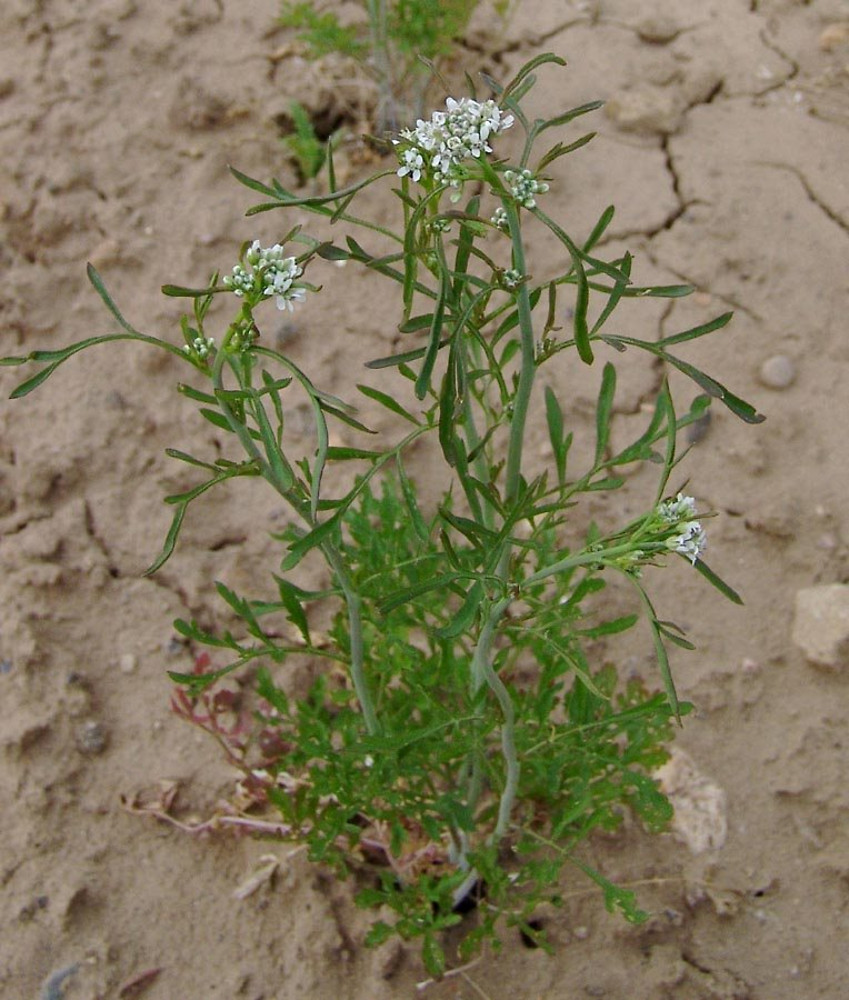
Lepidium sativum is an annual plant species belonging to the Brassicaceae family. It has a slender stem and small, round leaves with a peppery taste. The plant produces small, white flowers that turn into small, round seed pods.
Plant Care Instructions
Outdoor Size Range
6-12 inches (15-30 cm)
Light Requirements
Garden cress requires full sun to partial shade, with at least 4-6 hours of direct sunlight per day.
Humidity Needs
Garden cress prefers moderate humidity levels between 40-60%.
Fertilizing Schedule
Fertilize garden cress with a balanced, water-soluble fertilizer every 2-3 weeks during the growing season.
Pruning Guidelines
Pinch off the tips of the plant to encourage bushier growth and prevent it from becoming leggy.
Common Pests and Diseases
Common pests that can affect garden cress include aphids, caterpillars, and flea beetles. Diseases that can affect garden cress include damping off and downy mildew.
Indoor Size Range
6-12 inches (15-30 cm)
Watering Schedule
The soil should be kept moist, but not waterlogged. Water the plant when the top layer of soil feels dry to the touch.
Temperature Range
The ideal temperature range for garden cress is between 60-75°F (15-24°C).
Growing Season
Garden cress can be grown year-round in indoor containers, but it prefers cooler temperatures and is typically grown as a cool-season crop outdoors.
Growing Difficulty Level
Garden cress is easy to grow and suitable for beginner gardeners.
USDA Hardiness Zones
Garden cress is not a perennial plant and does not have a USDA hardiness zone.
Did You Know?
Garden cress is often used in salads and sandwiches for its spicy flavor and high nutrient content. It is also used in traditional medicine to treat a variety of ailments, including asthma and constipation.
