Special Web Offer - Get 50% OFF!
Grab Your Deal Now
PlantSnap
Plant Care
Artichoke
(Cynara scolymus)
Also Known As
Artichoke, Globe artichoke, French artichoke
About This Plant
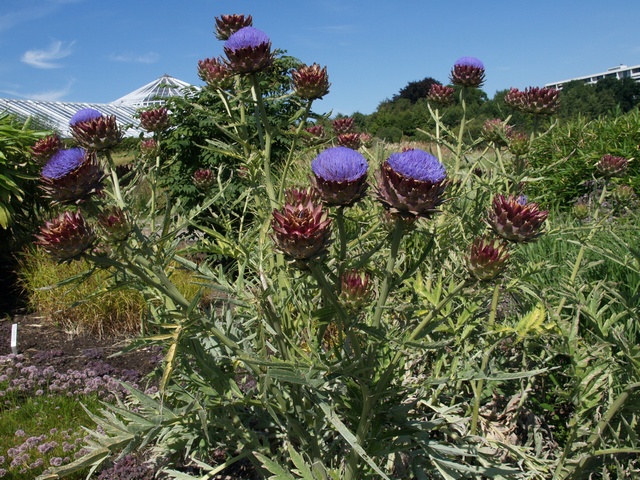
Cynara scolymus, commonly known as the artichoke, is a species of thistle cultivated primarily as a food. The edible portion of the plant consists of the flower buds before the flowers come into bloom.
Plant Care Instructions
Outdoor Size Range
3-5 feet (91-152 cm)
Light Requirements
Artichokes require full sun to partial shade. They need at least six hours of direct sunlight per day.
Humidity Needs
Artichokes prefer moderate humidity levels, between 40-60%.
Fertilizing Schedule
Artichokes require a balanced fertilizer every four to six weeks during the growing season. Use a fertilizer with a higher nitrogen content to encourage leaf growth.
Pruning Guidelines
Artichokes require pruning to promote the growth of lateral buds. Remove the top central bud to encourage the growth of side buds.
Common Pests and Diseases
Common pests that affect artichokes include aphids, slugs, and snails. Diseases that affect artichokes include powdery mildew and botrytis.
Indoor Size Range
24-36 inches (61-91 cm)
Watering Schedule
Artichokes require regular watering, especially during dry spells. The soil should be kept moist but not waterlogged.
Temperature Range
Artichokes prefer cooler temperatures, between 50-75°F (10-24°C). They can tolerate light frost, but not extreme heat.
Growing Season
Artichokes are cool-season crops and grow best in the spring and fall. They can be grown as perennials in USDA hardiness zones 7-11.
Growing Difficulty Level
Artichokes are moderately difficult to grow. They require consistent watering and fertilization, as well as regular pruning.
USDA Hardiness Zones
USDA hardiness zones 7-11
Did You Know?
The artichoke is actually a type of flower bud that has not yet bloomed. If left to bloom, the artichoke will turn into a beautiful purple-blue thistle flower.
