Special Web Offer - Get 50% OFF!
Grab Your Deal Now
PlantSnap
Plant Care
Einkorn
(Triticum monococcum)
Also Known As
Einkorn, Einkorn wheat, One-grain wheat, Primitive wheat
About This Plant
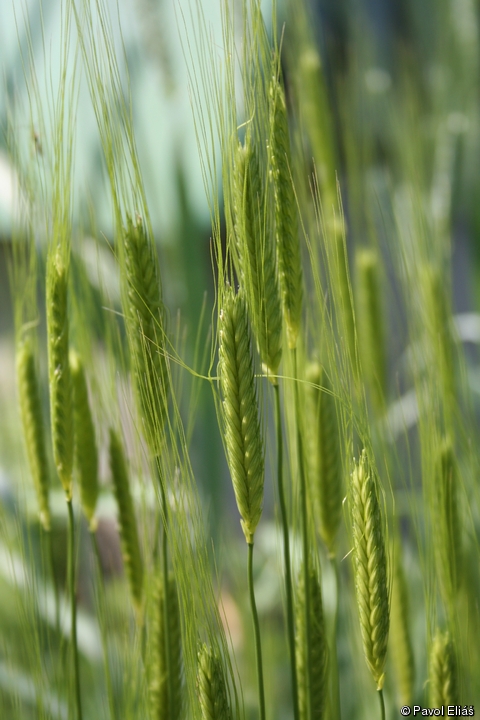
Triticum monococcum is an ancient species of wheat that is one of the earliest cultivated crops. It is a diploid species with two sets of chromosomes and has a tough outer hull that must be removed before the grain can be milled into flour. The grain is high in protein and gluten, making it a popular choice for artisanal bread-making.
Plant Care Instructions
Outdoor Size Range
24-36 inches (60-90 cm)
Light Requirements
Einkorn wheat requires full sun to grow and produce grain. It needs at least 6-8 hours of direct sunlight per day.
Humidity Needs
Einkorn wheat is adapted to dry, arid climates and does not require high humidity levels.
Fertilizing Schedule
Einkorn wheat is a low-maintenance crop that does not require much fertilizer. A balanced fertilizer can be applied at planting time, but excessive nitrogen can lead to lodging (falling over) of the plants.
Pruning Guidelines
Einkorn wheat does not require pruning.
Common Pests and Diseases
Common pests of einkorn wheat include aphids, armyworms, and Hessian flies. Diseases that can affect einkorn wheat include powdery mildew, leaf rust, and Fusarium head blight.
Indoor Size Range
N/A
Watering Schedule
Einkorn wheat prefers well-draining soil and moderate watering. It should be watered deeply once or twice a week, depending on the weather and soil conditions.
Temperature Range
Einkorn wheat is a cool-season crop that prefers temperatures between 60-75°F (15-24°C). It can tolerate some frost but is not well-suited to hot, humid climates.
Growing Season
Einkorn wheat is a cool-season crop that is planted in the fall and harvested in the early summer. It requires a long growing season and does not do well in areas with short growing seasons.
Growing Difficulty Level
Einkorn wheat is a relatively easy crop to grow, but it requires specific growing conditions and is not well-suited to all climates. It is best grown in dry, arid regions with cool temperatures.
USDA Hardiness Zones
Einkorn wheat is not assigned a USDA hardiness zone as it is an agricultural crop and not a landscape plant.
Did You Know?
Einkorn wheat is one of the oldest cultivated crops in the world, with evidence of its cultivation dating back over 10,000 years.
