Special Web Offer - Get 50% OFF!
Grab Your Deal Now
PlantSnap
Plant Care
Turmeric
(Curcuma longa)
Also Known As
Turmeric, Curcuma, Yellow ginger, Indian saffron
About This Plant
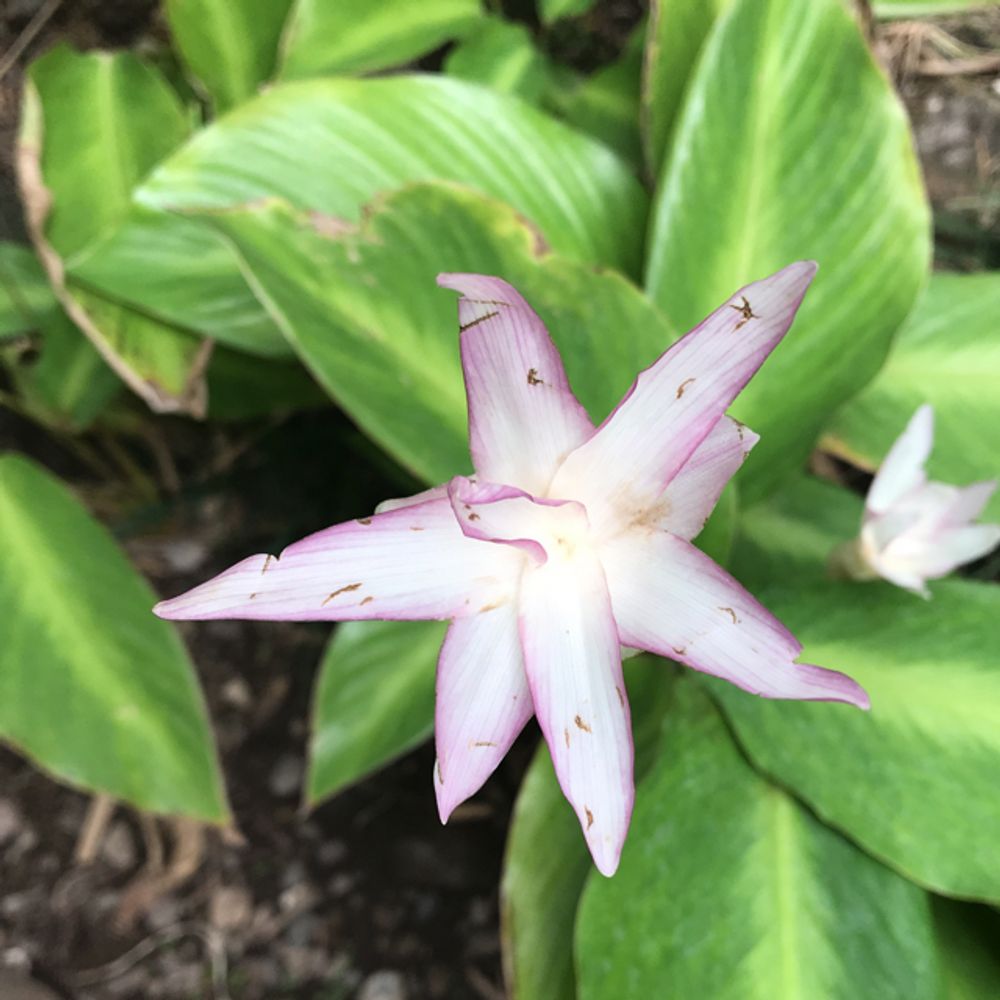
Curcuma longa is a perennial plant species that belongs to the ginger family. It is widely known for its rhizome, which is commonly used as a spice and natural food coloring. The plant has tall, lance-shaped leaves and produces a spike of yellow flowers.
Plant Care Instructions
Outdoor Size Range
36-48 inches (91-122 cm)
Light Requirements
Curcuma longa prefers bright, indirect light. Direct sunlight can scorch the leaves.
Humidity Needs
Curcuma longa prefers high humidity levels. Misting the leaves or placing a tray of water nearby can help increase humidity.
Fertilizing Schedule
Fertilize the plant every 2-3 weeks during the growing season (spring and summer) with a balanced fertilizer. Reduce fertilization during the dormant season (fall and winter).
Pruning Guidelines
Remove any dead or yellowing leaves as needed. After the plant has finished flowering, cut back the flower stalk to encourage new growth.
Common Pests and Diseases
Curcuma longa is generally not susceptible to pests, but can be prone to root rot if overwatered.
Indoor Size Range
24-36 inches (61-91 cm)
Watering Schedule
The plant likes to be kept moist but not waterlogged. Watering once a week is usually sufficient.
Temperature Range
The plant prefers warm temperatures between 68-86°F (20-30°C). It is not frost-tolerant and should be kept away from cold drafts.
Growing Season
Curcuma longa grows best during the spring and summer months.
Growing Difficulty Level
Curcuma longa is moderately difficult to grow. It requires high humidity and consistent watering, but can be sensitive to overwatering.
USDA Hardiness Zones
Curcuma longa is not frost-tolerant and is best suited for USDA hardiness zones 9-11.
Did You Know?
Turmeric has been used for thousands of years in Ayurvedic medicine and is believed to have anti-inflammatory properties.
