Special Web Offer - Get 50% OFF!
Grab Your Deal Now
PlantSnap
Plant Care
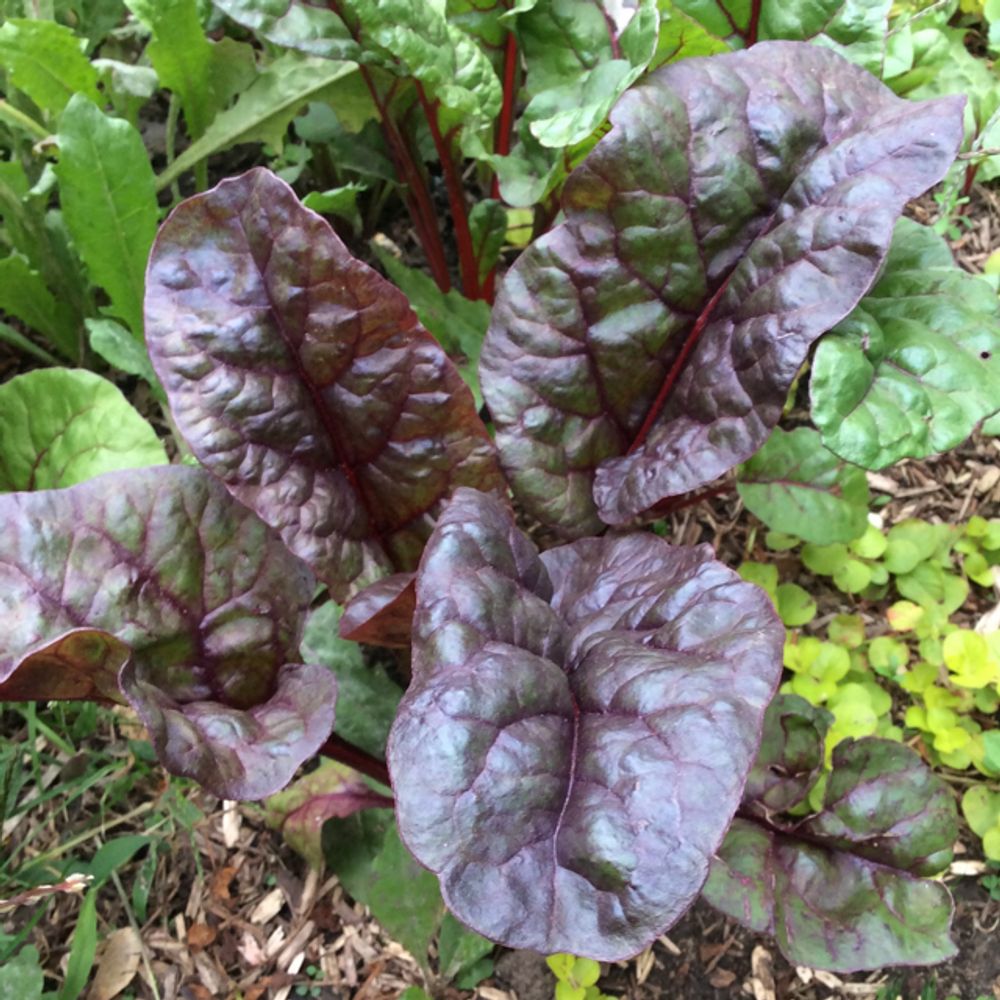
Beet
(Beta vulgaris)
Also Known As
Beet, Sugar beet, Beetroot, Garden beet
About This Plant
Beta vulgaris is a plant species that belongs to the family Amaranthaceae. It is commonly known as beetroot or simply beet. The plant is known for its edible taproot and leaves.
Plant Care Instructions
Outdoor Size Range
18-36 inches (45-90 cm)
Light Requirements
Beetroot plants require full sun to partial shade. They need at least 6 hours of direct sunlight per day.
Humidity Needs
Beetroot plants prefer moderate humidity levels. They can tolerate low humidity, but high humidity can lead to fungal diseases.
Fertilizing Schedule
Beetroot plants require a balanced fertilizer with equal amounts of nitrogen, phosphorus, and potassium. Fertilizer should be applied every 3-4 weeks during the growing season.
Pruning Guidelines
Beetroot plants do not require pruning, but it is important to thin out seedlings to ensure proper spacing.
Common Pests and Diseases
Common pests that can affect beetroot plants include aphids, cutworms, flea beetles, and root maggots.
Indoor Size Range
12-24 inches (30-60 cm)
Watering Schedule
Beetroot plants need to be watered regularly. The soil should be kept moist but not waterlogged. During hot and dry weather, they may need to be watered twice a week.
Temperature Range
Beetroot plants prefer cool temperatures between 60-65°F (15-18°C). They can tolerate higher temperatures, but growth may slow down.
Growing Season
Beetroot plants are cool-season crops that can be grown in both spring and fall. They can be started indoors 4-6 weeks before the last frost or sown directly in the garden after the last frost.
Growing Difficulty Level
Beetroot plants are relatively easy to grow, making them a popular choice for beginner gardeners.
USDA Hardiness Zones
Beetroot plants are hardy in USDA zones 2-10.
Did You Know?
Beetroot is not only used for food, but it is also used as a natural dye for fabrics.
