Special Web Offer - Get 50% OFF!
Grab Your Deal Now
PlantSnap
Plant Care
New zealand spinach
(Tetragonia tetragonioides)
Also Known As
New zealand spinach, Tetragone, Sea spinach
About This Plant
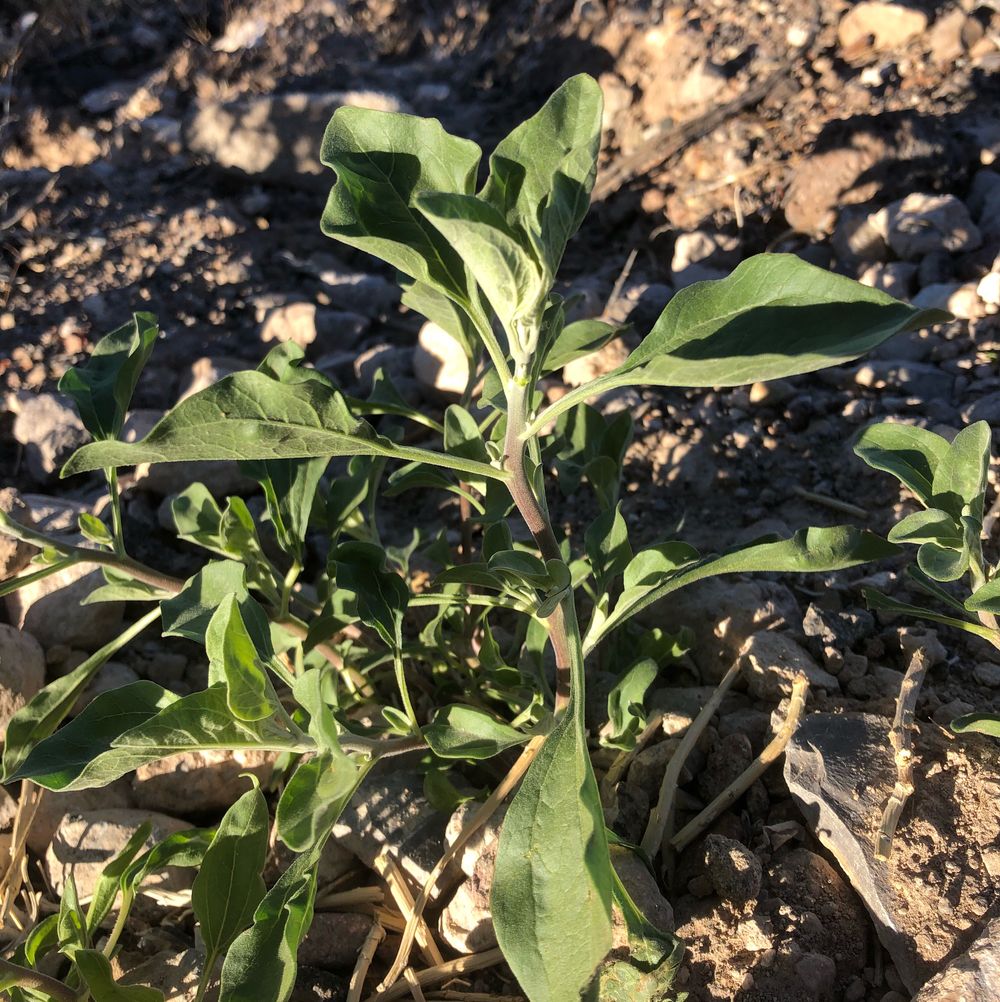
Tetragonia tetragonioides, commonly known as New Zealand spinach, is a leafy green plant that is native to New Zealand, Australia, Japan, and Argentina. It is an edible plant that is often used as a substitute for spinach. The leaves are thick and fleshy, and the plant produces small yellow flowers.
Plant Care Instructions
Outdoor Size Range
12-24 inches (30-60 cm)
Light Requirements
New Zealand spinach requires full sun to partial shade. It can tolerate some shade, but the leaves may not be as tender and flavorful.
Humidity Needs
New Zealand spinach prefers moderate humidity levels but can tolerate dry air.
Fertilizing Schedule
Fertilize the plant every two weeks with a balanced fertilizer during the growing season.
Pruning Guidelines
Pinch back the tips of the plant to encourage bushier growth and harvest the leaves regularly to promote new growth.
Common Pests and Diseases
Common pests include aphids, spider mites, and whiteflies. Diseases are not usually a problem for New Zealand spinach.
Indoor Size Range
6-12 inches (15-30 cm)
Watering Schedule
The plant prefers moist soil but can tolerate some drought. Water the plant thoroughly when the top inch of soil is dry to the touch.
Temperature Range
The plant prefers warm temperatures between 60-75°F (16-24°C), but can tolerate temperatures as low as 50°F (10°C) and as high as 90°F (32°C).
Growing Season
New Zealand spinach is a warm-weather crop that grows best in the summer months.
Growing Difficulty Level
New Zealand spinach is easy to grow and maintain, making it a great choice for beginner gardeners.
USDA Hardiness Zones
New Zealand spinach is a tender perennial that is grown as an annual in USDA hardiness zones 9-11.
Did You Know?
New Zealand spinach was first brought to Europe by Captain James Cook in the late 18th century. It was used as a food source for sailors on long voyages because it is high in Vitamin C and can be eaten raw or cooked.
