Special Web Offer - Get 50% OFF!
Grab Your Deal Now
PlantSnap
Plant Care
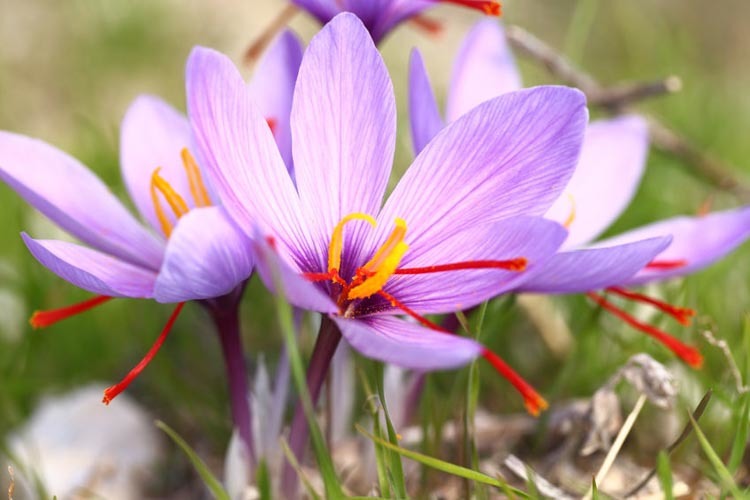
Saffron crocus
(Crocus sativus)
Also Known As
Saffron crocus, Crocus, Saffron
About This Plant
Crocus sativus is a perennial plant species known for its vibrant purple flowers and red stigmas. The plant is primarily cultivated for its stigmas, which are used to produce the spice saffron. The plant has a bulbous corm from which the leaves and flowers emerge.
Plant Care Instructions
Outdoor Size Range
4-6 inches (10-15 cm)
Light Requirements
Crocus sativus requires full sun to partial shade. It is best to place the plant in a location that receives at least 6 hours of direct sunlight per day.
Humidity Needs
Crocus sativus prefers low to moderate humidity levels. It can tolerate dry air, but avoid placing the plant in a location with high humidity.
Fertilizing Schedule
Crocus sativus does not require regular fertilization. However, a light application of a balanced fertilizer in the spring can help promote healthy growth.
Pruning Guidelines
Remove any dead or yellowing leaves as needed. After the plant has finished flowering, allow the foliage to die back naturally before removing it.
Common Pests and Diseases
Crocus sativus is relatively pest-free. However, it can be susceptible to spider mites and thrips.
Indoor Size Range
4-6 inches (10-15 cm)
Watering Schedule
The plant prefers evenly moist soil. Water the plant when the soil feels dry to the touch, but avoid overwatering as it can lead to root rot.
Temperature Range
The plant prefers cool to moderate temperatures between 60-75°F (15-24°C). It is important to protect the plant from frost and excessive heat.
Growing Season
Crocus sativus blooms in the fall, usually in October and November.
Growing Difficulty Level
Crocus sativus can be moderately difficult to grow. It requires specific soil and environmental conditions to thrive.
USDA Hardiness Zones
Crocus sativus is hardy in USDA zones 6-9.
Did You Know?
It takes over 75,000 saffron flowers to produce just one pound of saffron spice, making it one of the most expensive spices in the world.
