Special Web Offer - Get 50% OFF!
Grab Your Deal Now
PlantSnap
Plant Care
Tarragon
(Artemisia dracunculus)
Also Known As
Tarragon, Dragonwort, Estragon
About This Plant
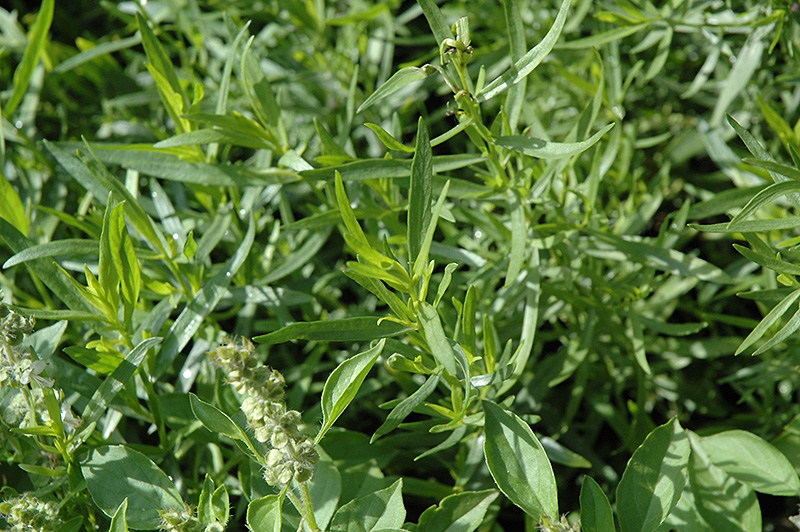
Artemisia dracunculus, commonly known as tarragon, is a perennial herbaceous plant species that belongs to the sunflower family. It is native to southern Russia and western Asia. The plant has narrow, pointed green leaves and small, greenish-yellow flowers.
Plant Care Instructions
Outdoor Size Range
24-48 inches (60-120 cm)
Light Requirements
Tarragon requires full sun to partial shade. It can tolerate some shade but will produce fewer leaves.
Humidity Needs
Tarragon prefers moderate humidity levels, around 40-60%.
Fertilizing Schedule
Fertilize tarragon once a month during the growing season with a balanced, all-purpose fertilizer. Avoid fertilizing during the dormant season.
Pruning Guidelines
Prune tarragon regularly to encourage bushier growth and prevent it from becoming too leggy. Pinch off the tips of new growth to promote branching.
Common Pests and Diseases
Tarragon is relatively pest-free, but it can be susceptible to spider mites and aphids. Keep an eye out for any signs of infestation and treat with insecticidal soap if necessary.
Indoor Size Range
12-24 inches (30-60 cm)
Watering Schedule
The soil should be kept moist but not waterlogged. Water the plant when the top inch of soil feels dry to the touch.
Temperature Range
The ideal temperature range for tarragon is between 60-70°F (15-21°C). It can tolerate slightly cooler temperatures but is sensitive to frost.
Growing Season
Tarragon is a perennial plant that can be grown year-round in warmer climates. In colder climates, it goes dormant in the winter and regrows in the spring.
Growing Difficulty Level
Tarragon is relatively easy to grow, but it can be sensitive to overwatering and frost. It is best grown in well-draining soil and protected from harsh winter conditions.
USDA Hardiness Zones
Tarragon can be grown in USDA hardiness zones 4-9.
Did You Know?
Tarragon is a key ingredient in French cuisine, particularly in dishes like béarnaise sauce and fines herbes seasoning.