Special Web Offer - Get 50% OFF!
Grab Your Deal Now
PlantSnap
Plant Care
Konjac
(Amorphophallus konjac)
Also Known As
Konjac, Devil's tongue, Voodoo lily, Elephant yam, Amorphophallus
About This Plant
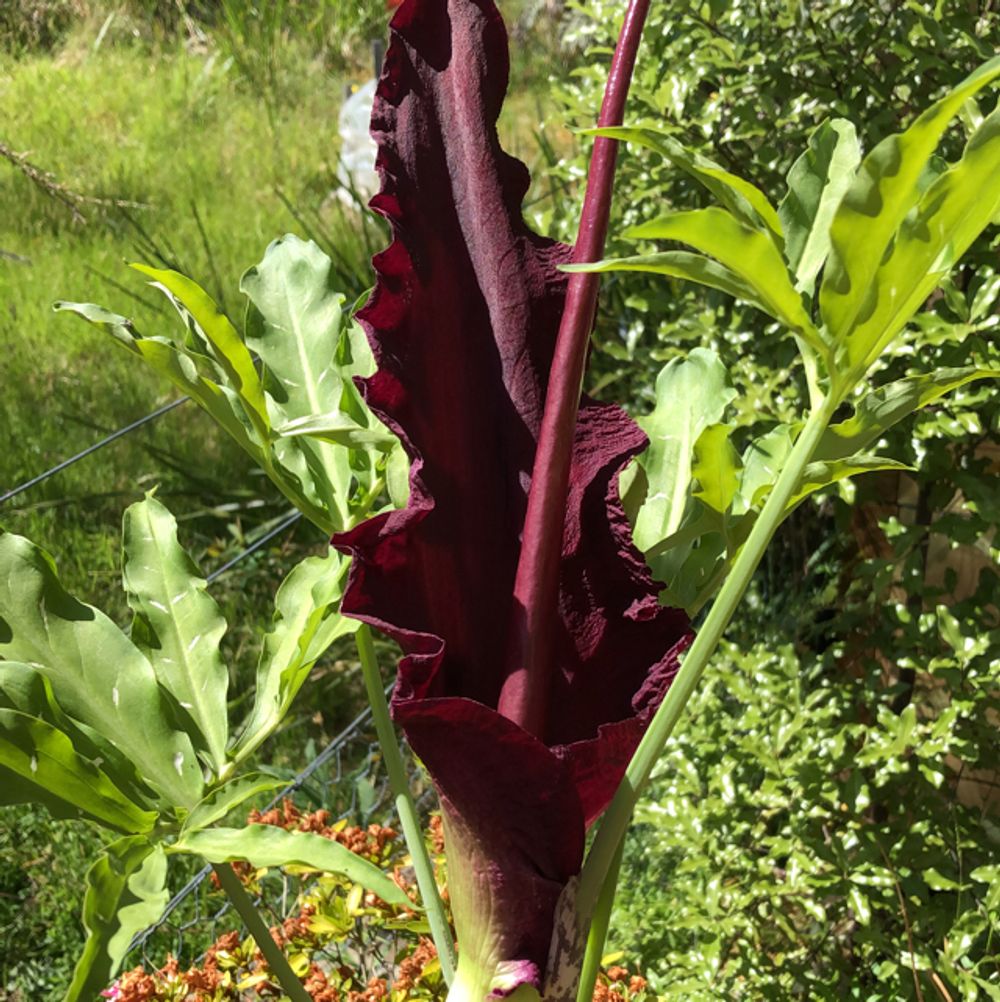
Amorphophallus konjac is a species of flowering plant in the family Araceae. It is native to China, Japan and Southeast Asia, where it is widely cultivated for its large, starchy corms. The plant produces a single, large, umbrella-like leaf and a tall, striking inflorescence that emits a foul odor to attract pollinators. The corms are used to make a traditional Asian food called konjac, which is high in dietary fiber and low in calories.
Plant Care Instructions
Outdoor Size Range
24-36 inches (60-90 cm) tall, 18-24 inches (45-60 cm) wide
Light Requirements
Amorphophallus konjac prefers bright, indirect light. Avoid direct sunlight as it can scorch the leaves.
Humidity Needs
Amorphophallus konjac prefers high humidity levels, around 60-80%. Use a humidifier or place the plant on a tray filled with pebbles and water to increase humidity.
Fertilizing Schedule
Fertilize every 2-3 weeks during the growing season with a balanced, water-soluble fertilizer.
Pruning Guidelines
Remove any yellow or damaged leaves as they appear. Cut the plant back to the soil level after it goes dormant in the fall.
Common Pests and Diseases
Common pests include spider mites, mealybugs, and scale insects. Diseases are rare but can occur if the plant is overwatered or exposed to cold temperatures.
Indoor Size Range
24-36 inches (60-90 cm) tall, 18-24 inches (45-60 cm) wide
Watering Schedule
The plant prefers consistently moist soil. Water thoroughly when the top inch of soil feels dry to the touch.
Temperature Range
The plant prefers warm temperatures between 65-80°F (18-27°C). Avoid temperatures below 50°F (10°C).
Growing Season
Amorphophallus konjac grows actively during the spring and summer months, and goes dormant in the fall.
Growing Difficulty Level
Amorphophallus konjac is considered moderately difficult to grow. It requires high humidity and consistent moisture, and can be sensitive to temperature fluctuations.
USDA Hardiness Zones
Amorphophallus konjac is not frost-tolerant and should be grown indoors or in a greenhouse. Hardiness zones are not applicable.
Did You Know?
The corms of Amorphophallus konjac are also used to make vegan seafood substitutes, such as imitation crab meat and shrimp.
