Special Web Offer - Get 50% OFF!
Grab Your Deal Now
PlantSnap
Plant Care
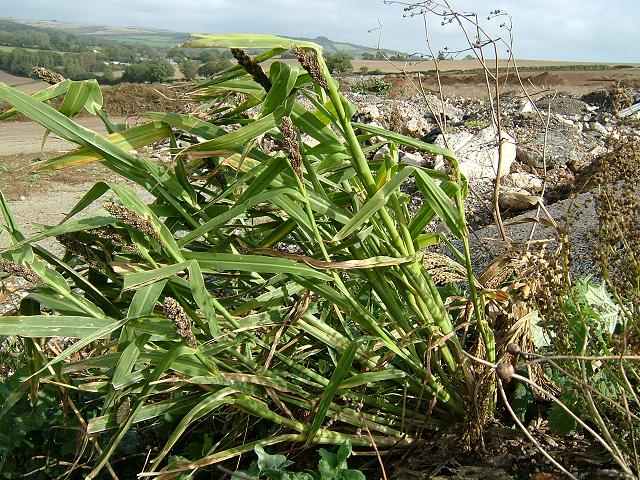
Japanese millet
(Echinochloa esculenta)
Also Known As
Japanese millet, Barnyard grass, Water grass
About This Plant
Echinochloa esculenta, commonly known as Japanese barnyard millet or Japanese millet, is an annual grass species that is cultivated for its edible seeds and leaves. It is a fast-growing, warm-season plant that can reach a height of up to 4 feet (122 cm) and has a spread of about 2 feet (61 cm).
Plant Care Instructions
Outdoor Size Range
Height: Up to 4 feet (122 cm), Spread: About 2 feet (61 cm)
Light Requirements
Japanese barnyard millet requires full sun to grow well. It needs at least 6 hours of direct sunlight per day.
Humidity Needs
Japanese barnyard millet prefers moderate humidity levels, around 50-60%. It can tolerate lower humidity levels, but it may become more susceptible to pests and diseases.
Fertilizing Schedule
Japanese barnyard millet does not require much fertilization. A balanced fertilizer applied once a month during the growing season should be sufficient.
Pruning Guidelines
No pruning is required for Japanese barnyard millet.
Common Pests and Diseases
Common pests that can affect Japanese barnyard millet include aphids, armyworms, and cutworms. Diseases such as smut and rust can also be a problem.
Indoor Size Range
Not suitable for indoor cultivation
Watering Schedule
This plant requires regular watering to keep the soil moist. However, it is important not to overwater as it can lead to root rot.
Temperature Range
This plant grows best in warm temperatures ranging from 70-90°F (21-32°C). It is not frost-tolerant and should be planted after the last frost in spring.
Growing Season
Japanese barnyard millet is a warm-season plant that is typically planted in the spring and harvested in the summer or fall.
Growing Difficulty Level
Japanese barnyard millet is relatively easy to grow, but it requires warm temperatures and regular watering. It may not be suitable for all climates.
USDA Hardiness Zones
Japanese barnyard millet is not a perennial plant and does not have a USDA hardiness zone rating.
Did You Know?
Japanese barnyard millet is a staple food in parts of Asia, particularly in Japan and China, where it is used to make porridge, noodles, and other dishes.