Special Web Offer - Get 50% OFF!
Grab Your Deal Now
PlantSnap
Plant Care
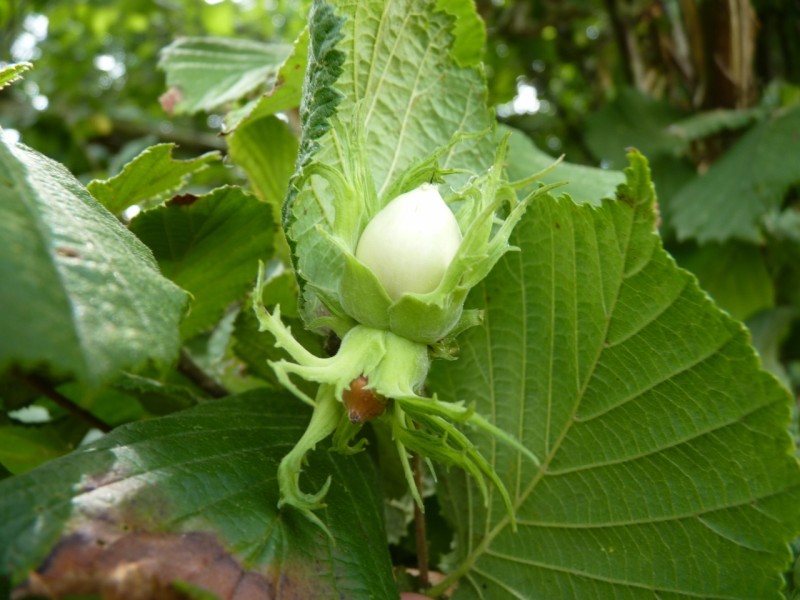
Hazel
(Corylus avellana)
Also Known As
Hazel, Common hazel, European hazel, Hazel nut, Filbert
About This Plant
Corylus avellana is a deciduous shrub native to Europe and Western Asia. It is a member of the Betulaceae family, which also includes birch and alder trees. The plant is known for its edible nuts, commonly referred to as hazelnuts or filberts.
Plant Care Instructions
Outdoor Size Range
10-20 feet (3-6 meters)
Light Requirements
Hazelnuts require full sun to produce the best crop, but they can tolerate some shade. At least 6 hours of direct sunlight per day is recommended.
Humidity Needs
Hazelnuts do not have any specific humidity requirements.
Fertilizing Schedule
Hazelnuts benefit from an annual application of balanced fertilizer in early spring before new growth appears.
Pruning Guidelines
Hazelnuts require minimal pruning, but it is recommended to remove any dead or diseased branches in late winter or early spring.
Common Pests and Diseases
Common pests and diseases for hazelnuts include aphids, mites, and eastern filbert blight.
Indoor Size Range
24-36 inches (61-91 cm)
Watering Schedule
Hazelnuts prefer well-draining soil and require regular watering during the growing season. The soil should be kept consistently moist but not waterlogged.
Temperature Range
Hazelnuts are hardy in USDA zones 4-9 and can tolerate temperatures as low as -20°F (-29°C) in winter.
Growing Season
Hazelnuts typically bloom in late winter or early spring and produce nuts in the fall.
Growing Difficulty Level
Hazelnuts are relatively easy to grow and maintain, but they require patience as it can take several years for the plant to produce a significant crop.
USDA Hardiness Zones
USDA hardiness zones 4-9.
Did You Know?
Hazelnuts have been cultivated for over 5,000 years and were considered a delicacy by the ancient Romans. Today, they are used in a variety of culinary applications, including Nutella and other hazelnut spreads.
