Special Web Offer - Get 50% OFF!
Grab Your Deal Now
PlantSnap
Plant Care
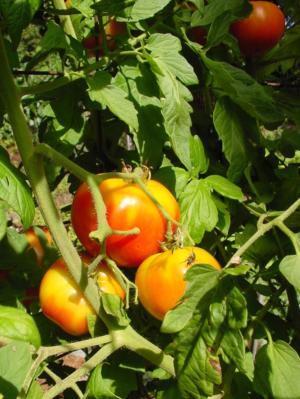
Roma tomato
(Plum Tomato)
Also Known As
Roma tomato, Italian tomato, Paste tomato
About This Plant
The Plum Tomato is a small, oval-shaped tomato with a firm texture and a sweet, tangy flavor. It is commonly used for making sauces and pastes. The plant is a determinate variety, meaning it grows to a certain height and then stops growing. It has a bushy growth habit and produces fruit in clusters.
Plant Care Instructions
Outdoor Size Range
24-36 inches (61-91.4 cm)
Light Requirements
Plum Tomatoes require full sun, which means they need at least 6-8 hours of direct sunlight per day. They can be grown indoors with grow lights.
Humidity Needs
Plum Tomatoes prefer moderate to high humidity levels. Indoor plants may benefit from a humidifier, especially during the winter months when indoor air can be dry.
Fertilizing Schedule
Plum Tomatoes benefit from regular fertilization, especially when grown in containers. Use a balanced fertilizer with equal amounts of nitrogen, phosphorus, and potassium. Fertilize every 2-3 weeks during the growing season.
Pruning Guidelines
Plum Tomatoes benefit from pruning to promote air circulation and prevent disease. Remove the suckers that grow between the main stem and the branches. Also remove any yellow or diseased leaves.
Common Pests and Diseases
Common pests for Plum Tomatoes include aphids, whiteflies, and tomato hornworms. Diseases that can affect Plum Tomatoes include early blight, late blight, and blossom end rot.
Indoor Size Range
18-24 inches (45.7-61 cm)
Watering Schedule
Plum Tomatoes need to be watered regularly, but not overwatered. They prefer soil that is consistently moist, but not waterlogged. Water deeply once or twice a week, depending on the weather and soil conditions.
Temperature Range
Plum Tomatoes prefer warm temperatures between 70-80°F (21-27°C) during the day and 60-70°F (15-21°C) at night. They can be grown outdoors in USDA hardiness zones 3-10.
Growing Season
Plum Tomatoes are warm-season plants that are typically grown in the summer months. They can be started indoors 6-8 weeks before the last frost date and then transplanted outdoors after the danger of frost has passed.
Growing Difficulty Level
Plum Tomatoes are relatively easy to grow, but they do require consistent care and attention to produce a healthy crop.
USDA Hardiness Zones
3-10
Did You Know?
The Plum Tomato is also known as the Roma Tomato, after the city of Rome where it is commonly used in Italian cuisine.
