Special Web Offer - Get 50% OFF!
Grab Your Deal Now
PlantSnap
Plant Care
Mountain sorrel
(Oxyria digyna)
Also Known As
Mountain sorrel, Green mountain sorrel, Sour dock
About This Plant
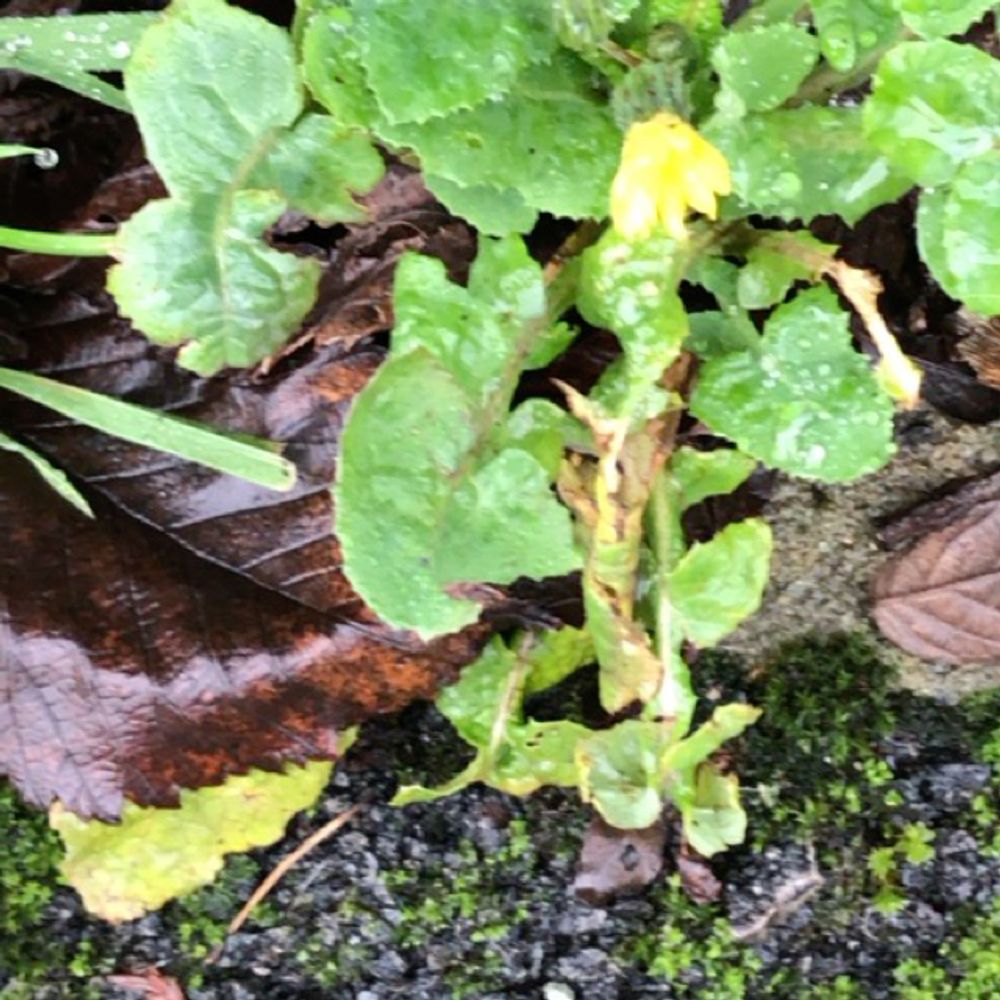
Oxyria digyna is a flowering plant species that belongs to the family Polygonaceae. It is a small, herbaceous perennial that grows up to 10 cm tall. The leaves are small, triangular, and red-tinged, with a sour taste. The flowers are greenish and bloom in the summer. The plant is native to the Arctic and alpine regions of the Northern Hemisphere.
Plant Care Instructions
Outdoor Size Range
2-10 inches (5-25 cm)
Light Requirements
Oxyria digyna prefers full sun to partial shade. It can tolerate shade, but it will not grow as well.
Humidity Needs
Oxyria digyna prefers low to moderate humidity levels. It can tolerate dry air, but it will not grow as well in high humidity.
Fertilizing Schedule
Oxyria digyna does not require fertilizer. If you want to fertilize it, use a balanced fertilizer once a month during the growing season.
Pruning Guidelines
Mountain sorrel does not require pruning. However, you can trim back the plant after it flowers to encourage bushier growth.
Common Pests and Diseases
Oxyria digyna is generally pest-free. However, it can be susceptible to aphids, spider mites, and powdery mildew.
Indoor Size Range
Not suitable for indoor cultivation
Watering Schedule
Mountain sorrel prefers moist soil, but it can tolerate dry conditions. Water the plant regularly, but do not overwater it.
Temperature Range
Mountain sorrel prefers cool temperatures. It can tolerate temperatures as low as -40°F (-40°C) and as high as 70°F (21°C).
Growing Season
Mountain sorrel grows in the summer.
Growing Difficulty Level
Oxyria digyna is easy to grow. It is a hardy plant that can tolerate a wide range of growing conditions.
USDA Hardiness Zones
Oxyria digyna is hardy in USDA zones 2-7.
Did You Know?
The leaves of Oxyria digyna are high in vitamin C and have been used as a source of food and medicine by indigenous people in the Arctic and alpine regions.