Special Web Offer - Get 50% OFF!
Grab Your Deal Now
PlantSnap
Plant Care
Lettuce
(Lactuca sativa)
Also Known As
Lettuce, Garden lettuce, Salad lettuce
About This Plant
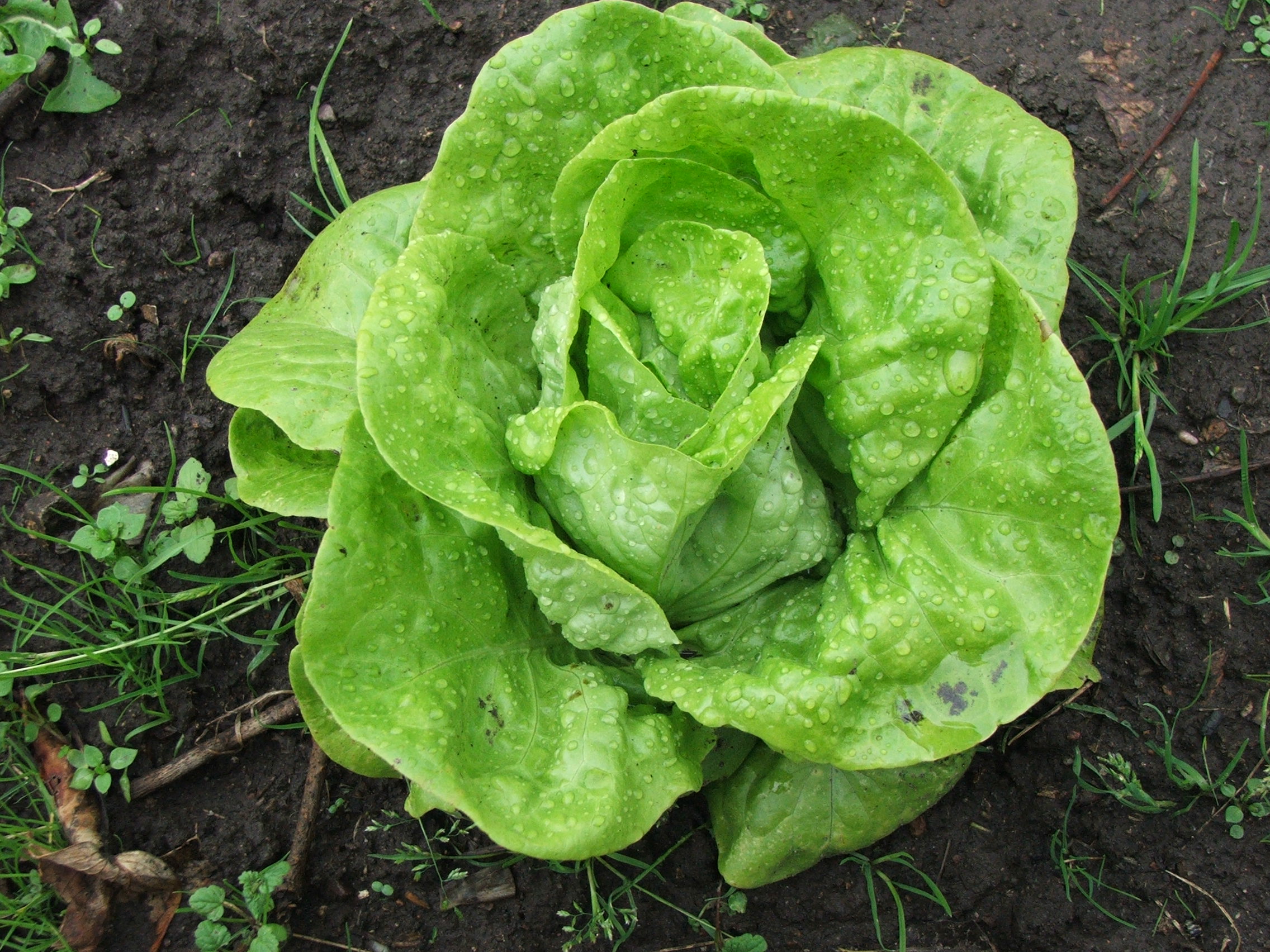
Lactuca sativa is a leafy vegetable plant species that is commonly known as lettuce. It belongs to the Asteraceae family and is native to the eastern Mediterranean region. It is an annual plant that grows up to 30 cm to 45 cm tall and has green leaves that are either smooth or curly.
Plant Care Instructions
Outdoor Size Range
6 inches to 18 inches (15 cm to 45 cm)
Light Requirements
Lettuce requires full sun to partial shade. It needs at least 6 hours of direct sunlight per day.
Humidity Needs
Lettuce prefers moderate to high humidity levels. Use a humidifier or mist the leaves regularly to maintain humidity levels.
Fertilizing Schedule
Lettuce requires a balanced fertilizer with equal amounts of nitrogen, phosphorus, and potassium. Apply fertilizer every 4 to 6 weeks.
Pruning Guidelines
Lettuce does not require pruning, but removing the outer leaves as they mature can encourage new growth and prolong the harvest.
Common Pests and Diseases
Common pests and diseases for lettuce include aphids, slugs, snails, and fungal diseases such as powdery mildew and downy mildew.
Indoor Size Range
6 inches to 12 inches (15 cm to 30 cm)
Watering Schedule
Lettuce requires consistent moisture. Water the plant regularly, keeping the soil moist but not waterlogged. Avoid overhead watering to prevent fungal diseases.
Temperature Range
Lettuce grows best in cool temperatures between 45°F to 75°F (7°C to 24°C). High temperatures can cause the plant to bolt or go to seed prematurely.
Growing Season
Lettuce can be grown year-round in mild climates, but it grows best in the spring and fall. In hot summer climates, grow lettuce in the shade or indoors.
Growing Difficulty Level
Lettuce is easy to grow and is suitable for beginner gardeners.
USDA Hardiness Zones
Lettuce is a cool-season crop that grows best in USDA hardiness zones 4 to 9.
Did You Know?
Lettuce was first cultivated by the ancient Egyptians over 4,000 years ago and was considered to be a sacred plant.
