Special Web Offer - Get 50% OFF!
Grab Your Deal Now
PlantSnap
Plant Care
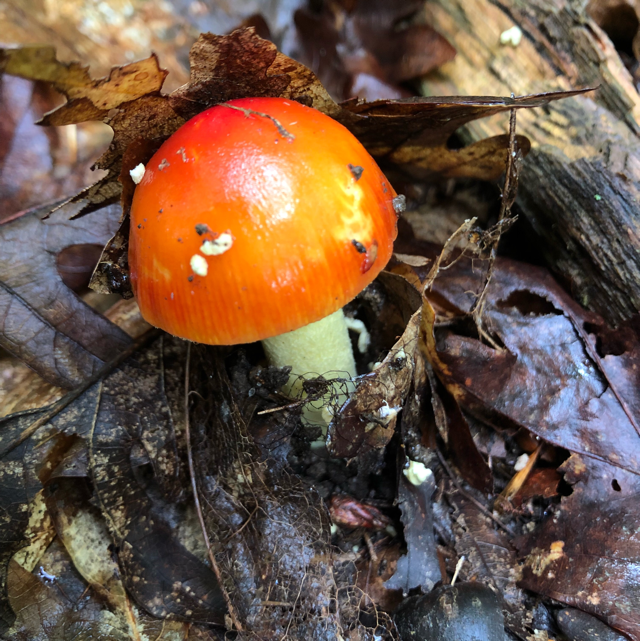
Caesar's mushroom
(Amanita caesarea)
Also Known As
Caesar's mushroom, Royal agaric, Orange-cap boletus
About This Plant
Amanita caesarea is a highly prized edible mushroom with a bright orange cap and white gills. It is commonly known as Caesar's mushroom or royal amanita. The mushroom is mycorrhizal, meaning it grows in association with the roots of certain trees, particularly oak and chestnut.
Plant Care Instructions
Outdoor Size Range
Cap diameter can range from 8-20 cm (3-8 inches)
Light Requirements
Amanita caesarea prefers partial shade to full sun exposure. It can tolerate direct sunlight in cooler climates, but in warmer regions it should be grown in partial shade.
Humidity Needs
Amanita caesarea prefers high humidity levels of around 70-90%. Use a humidifier or mist the area around the mushroom to maintain high humidity levels.
Fertilizing Schedule
Amanita caesarea does not require fertilizer as it obtains its nutrients from the mycorrhizal association with trees.
Pruning Guidelines
N/A
Common Pests and Diseases
Amanita caesarea is generally not affected by pests or diseases. However, it is important to properly identify the mushroom before consuming it as it closely resembles a poisonous species, Amanita muscaria.
Indoor Size Range
N/A
Watering Schedule
Amanita caesarea requires consistently moist soil. Water regularly to keep the soil damp but not waterlogged.
Temperature Range
Amanita caesarea grows best in temperatures ranging from 15-25°C (59-77°F). It can tolerate colder temperatures down to -5°C (23°F), but it may not fruit in temperatures above 30°C (86°F).
Growing Season
Amanita caesarea can be found in the wild from June to December in the Northern Hemisphere.
Growing Difficulty Level
Amanita caesarea is difficult to cultivate and is primarily harvested from the wild. It requires a specific mycorrhizal association with certain trees to grow.
USDA Hardiness Zones
Amanita caesarea is not a plant, therefore it does not have a USDA hardiness zone.
Did You Know?
Amanita caesarea was a favorite food of the Roman emperors, hence the common name 'Caesar's mushroom'.
