Special Web Offer - Get 50% OFF!
Grab Your Deal Now
PlantSnap
Plant Care
Tomato
(Solanum lycopersicum)
Also Known As
Tomato, Garden tomato, Red tomato
About This Plant
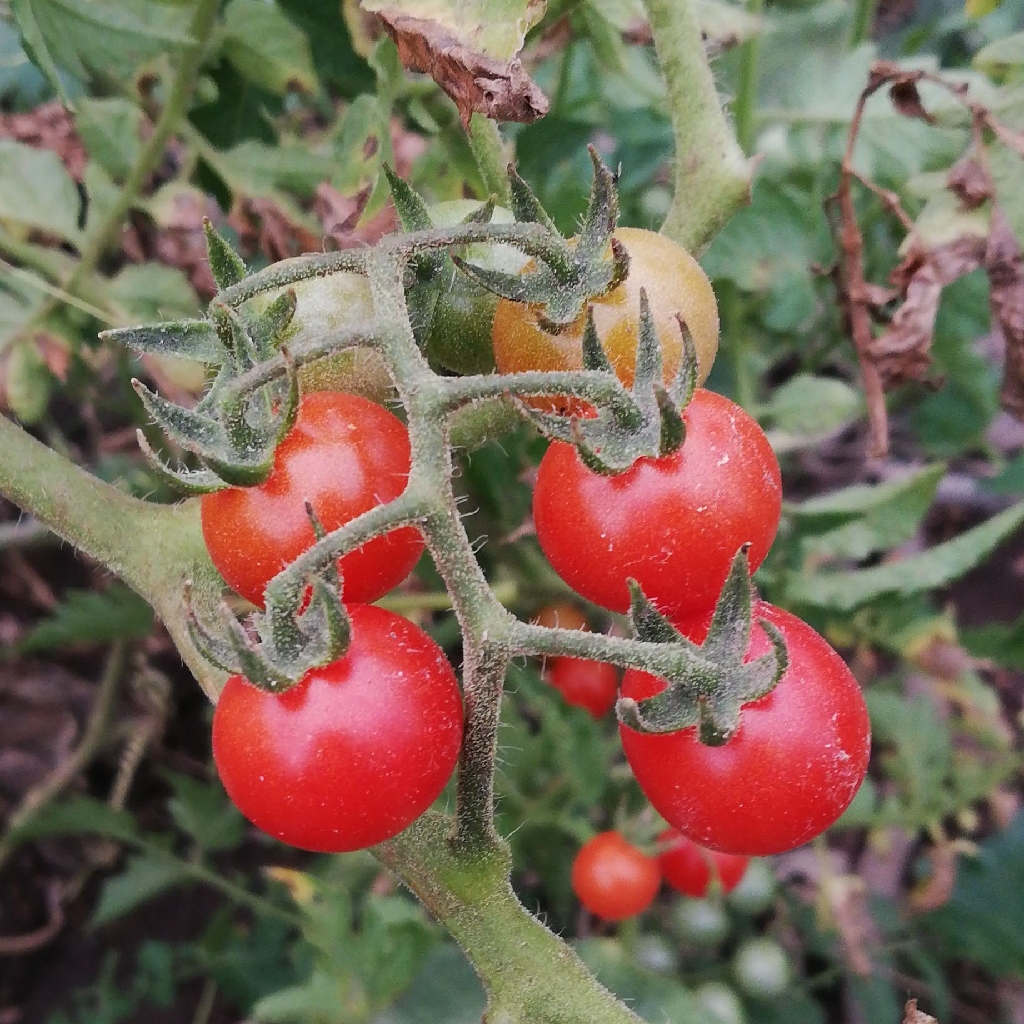
Solanum lycopersicum, commonly known as tomato, is a species of flowering plant in the nightshade family Solanaceae. It is native to western South America and Central America. The tomato is a herbaceous annual plant that grows up to 3 meters (10 feet) in height with a weak stem that often sprawls over the ground and vines over other plants. The leaves are 10–25 cm (4–10 inches) long, odd pinnate, with five to nine leaflets on petioles, each leaflet up to 8 cm (3 inches) long, with a serrated margin.
Plant Care Instructions
Outdoor Size Range
Varies based on cultivar. Generally, 2-10 feet (0.6-3 meters) tall and 2-6 feet (0.6-1.8 meters) wide.
Light Requirements
Tomatoes require full sun, which means at least six hours of direct sunlight per day. Indoors, they need to be placed near a south-facing window or under grow lights.
Humidity Needs
Tomatoes prefer moderate humidity levels, around 40-70%. Too much humidity can lead to fungal diseases.
Fertilizing Schedule
Tomatoes are heavy feeders and require regular fertilization. Use a balanced fertilizer with equal amounts of nitrogen, phosphorus, and potassium. Fertilize every two weeks during the growing season.
Pruning Guidelines
Tomatoes benefit from pruning to improve air circulation and prevent disease. Pinch off the suckers that grow in the crotch joint of two branches. Remove the bottom leaves to promote airflow.
Common Pests and Diseases
Tomatoes are susceptible to a variety of pests and diseases, including aphids, whiteflies, tomato hornworms, and blight. Practice good garden hygiene and use organic pest control methods to prevent and treat infestations.
Indoor Size Range
Varies based on cultivar. Generally, 18-36 inches (45-91 cm) tall and 24-36 inches (61-91 cm) wide.
Watering Schedule
Tomatoes need consistent watering to keep the soil evenly moist. Water when the top inch of soil feels dry to the touch. Avoid getting water on the leaves as this can lead to disease.
Temperature Range
Tomatoes prefer warm temperatures between 65-85°F (18-29°C). They can tolerate temperatures up to 95°F (35°C) but may drop their flowers or fruit if temperatures exceed 100°F (38°C).
Growing Season
Tomatoes are warm-season plants and are typically grown as annuals. They can be started indoors 6-8 weeks before the last frost date and transplanted outdoors after all danger of frost has passed. In warm climates, tomatoes can be grown year-round.
Growing Difficulty Level
Tomatoes are relatively easy to grow, but require consistent care and attention to thrive. They are a good choice for beginner gardeners.
USDA Hardiness Zones
Tomatoes are typically grown as annuals and are not assigned a USDA hardiness zone.
Did You Know?
Tomatoes were first cultivated by the Aztecs and Incas in South America, and were brought to Europe by Spanish explorers in the 16th century. They were initially grown as ornamental plants and were thought to be poisonous, but eventually became a popular food crop.