Special Web Offer - Get 50% OFF!
Grab Your Deal Now
PlantSnap
Plant Care
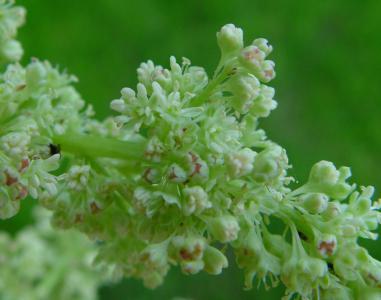
Common rhubarb
(Rheum rhaponticum)
Also Known As
Common rhubarb, Rhubarb, Garden rhubarb, Wine rhubarb, Giant rhubarb
About This Plant
Rheum rhaponticum is a herbaceous perennial plant that belongs to the Polygonaceae family. It is native to central Asia and is widely grown for its edible stalks and leaves.
Plant Care Instructions
Outdoor Size Range
24-48 inches (61-122 cm) tall, 36-48 inches (91-122 cm) wide
Light Requirements
Rhubarb requires full sun for at least 6 hours a day. In hot climates, it benefits from some afternoon shade.
Humidity Needs
Rhubarb prefers moderate humidity levels, but can tolerate low humidity.
Fertilizing Schedule
Rhubarb benefits from a balanced fertilizer application in early spring and again in midsummer.
Pruning Guidelines
Remove flower stalks as soon as they appear to prevent the plant from going to seed. Cut back the entire plant to the ground in the fall.
Common Pests and Diseases
Common pests for rhubarb include aphids, slugs, and snails. Diseases include crown rot and powdery mildew.
Indoor Size Range
N/A
Watering Schedule
Rhubarb needs consistent moisture to thrive. Water deeply once a week during dry spells, and keep the soil evenly moist.
Temperature Range
Rhubarb grows best in cool temperatures between 40-75°F (4-24°C). It can tolerate frost, but not extreme heat.
Growing Season
Rhubarb is a cool-season crop that grows best in the spring and fall. It goes dormant in the summer.
Growing Difficulty Level
Rhubarb is moderately difficult to grow. It requires specific growing conditions and can take up to 3 years to establish a strong root system.
USDA Hardiness Zones
USDA hardiness zones 3-8
Did You Know?
Rhubarb leaves are toxic to humans and pets due to their high levels of oxalic acid. However, the stalks are safe to eat and are a good source of vitamin C.
