Special Web Offer - Get 50% OFF!
Grab Your Deal Now
PlantSnap
Plant Care
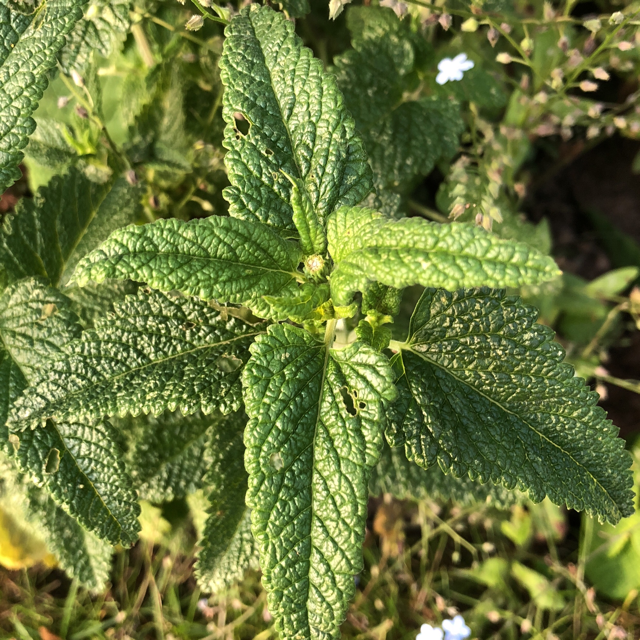
Apple mint
(Mentha suaveolens)
Also Known As
Apple mint, Round-leaved mint, Pineapple mint
About This Plant
Mentha suaveolens, commonly known as Apple mint, is a species of mint with a fruity aroma and flavor. It is a herbaceous perennial plant that belongs to the Lamiaceae family, which includes other mint species. The plant has square stems, opposite leaves, and small purple flowers that bloom in late summer.
Plant Care Instructions
Outdoor Size Range
24-36 inches (60-90 cm)
Light Requirements
Apple mint requires full to partial sunlight, at least 6 hours of direct sunlight per day. Indoors, it should be placed near a south-facing window.
Humidity Needs
Apple mint prefers moderate to high humidity levels, around 40-60%. Indoors, it benefits from misting or using a humidifier.
Fertilizing Schedule
Fertilize with a balanced fertilizer every 4-6 weeks during the growing season. Avoid over-fertilizing as it can lead to weak growth.
Pruning Guidelines
Prune regularly to promote bushy growth and prevent legginess. Pinch off the tips of young stems to encourage branching.
Common Pests and Diseases
Apple mint is susceptible to spider mites, aphids, and whiteflies. It can also develop rust or powdery mildew if the humidity is too high.
Indoor Size Range
12-24 inches (30-60 cm)
Watering Schedule
The plant prefers consistently moist soil, but not waterlogged. Water when the top inch of soil is dry. Indoors, mist the leaves regularly to increase humidity.
Temperature Range
The plant prefers temperatures between 60-75°F (15-24°C). It can tolerate slightly cooler temperatures but should be protected from frost.
Growing Season
The growing season for Apple mint is from late spring to early fall. It can be grown year-round indoors.
Growing Difficulty Level
Apple mint is relatively easy to grow, making it a great choice for beginners.
USDA Hardiness Zones
Apple mint is hardy in USDA zones 5-9.
Did You Know?
Apple mint is often used in Middle Eastern cuisine to flavor tea and salads. It is also used in traditional medicine to treat digestive issues and headaches.
