Special Web Offer - Get 50% OFF!
Grab Your Deal Now
PlantSnap
Plant Care
Habanero
(Capsicum chinense)
Also Known As
Habanero, Caribbean red, Scotch bonnet, Datil pepper, Aji dulce
About This Plant
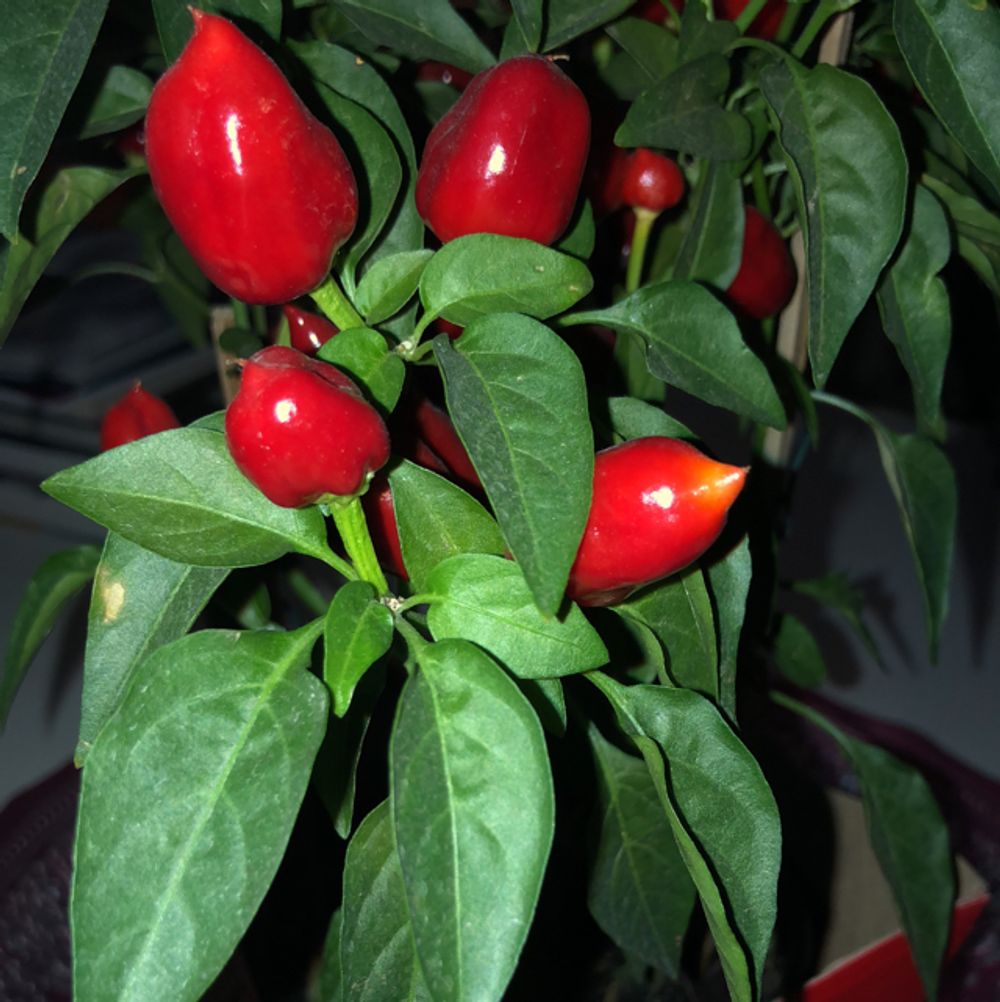
Capsicum chinense is a species of chili pepper native to Central and South America. It is a perennial plant that grows up to 5 feet (1.5 meters) tall and has a bushy habit. The plant produces small, white flowers that develop into fruits that are usually red, orange, or yellow when mature.
Plant Care Instructions
Outdoor Size Range
24-36 inches (60-90 cm)
Light Requirements
Capsicum chinense plants require full sun to grow and produce fruits. They need at least 6-8 hours of direct sunlight per day.
Humidity Needs
Capsicum chinense plants prefer moderate to high humidity levels. A humidity level of around 50-60% is ideal.
Fertilizing Schedule
Fertilize Capsicum chinense plants every 2-3 weeks with a balanced fertilizer. Use a fertilizer with a higher phosphorus content to encourage fruit production.
Pruning Guidelines
Prune Capsicum chinense plants to remove any dead or diseased branches. Pinch off the growing tips of the plant to encourage bushier growth.
Common Pests and Diseases
Common pests that affect Capsicum chinense plants include aphids, spider mites, and whiteflies. Diseases that can affect the plant include blossom end rot, bacterial spot, and powdery mildew.
Indoor Size Range
18-24 inches (45-60 cm)
Watering Schedule
The soil should be kept evenly moist, but not waterlogged. Water the plant deeply once a week, or more frequently if the soil dries out quickly.
Temperature Range
Capsicum chinense plants prefer warm temperatures between 70-85°F (21-29°C). They can tolerate slightly cooler temperatures, but not below 60°F (15°C).
Growing Season
Capsicum chinense plants are warm-season plants that grow best in the summer months. They can be grown year-round in tropical climates.
Growing Difficulty Level
Capsicum chinense plants are moderately difficult to grow. They require consistent care and attention to produce a good harvest.
USDA Hardiness Zones
Capsicum chinense plants are not cold-hardy and can only be grown outdoors in USDA hardiness zones 9-11.
Did You Know?
The Habanero pepper is one of the hottest chili peppers in the world, with a Scoville rating of up to 350,000 units.
