Special Web Offer - Get 50% OFF!
Grab Your Deal Now
PlantSnap
Plant Care
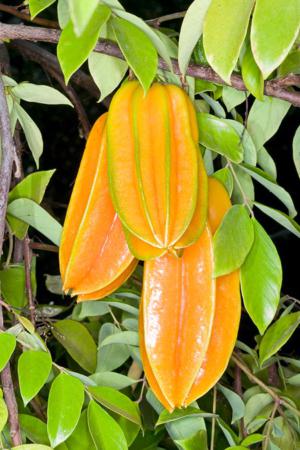
Starfruit
(Averrhoa carambola)
Also Known As
Starfruit, Star fruit, Carambola, Five-angled fruit
About This Plant
Averrhoa carambola is a species of tree native to the Philippines, Indonesia, Malaysia, Vietnam, India, Bangladesh, and Sri Lanka. It is a small evergreen tree that produces a juicy tropical fruit called carambola, also known as starfruit due to its distinctive shape.
Plant Care Instructions
Outdoor Size Range
20-30 feet (6-9 meters) tall, 15-25 feet (4.5-7.5 meters) wide
Light Requirements
Carambola tree requires full sun to grow and produce fruit. It needs at least 6 hours of direct sunlight per day.
Humidity Needs
Carambola tree prefers moderate to high humidity levels, around 50-70%. Use a humidifier or mist the leaves regularly if the air is dry.
Fertilizing Schedule
Fertilize the tree every 2-3 months with a balanced fertilizer. Use a slow-release fertilizer during the growing season.
Pruning Guidelines
Prune the tree in late winter or early spring to remove dead or damaged branches. Shape the tree to maintain a desirable size and form.
Common Pests and Diseases
Common pests that can affect carambola tree include fruit flies, scale insects, and mealybugs. Diseases that can affect the tree include anthracnose and root rot.
Indoor Size Range
N/A
Watering Schedule
Water the tree deeply once a week. Allow the soil to dry out slightly between watering. Reduce watering frequency during winter.
Temperature Range
Carambola tree grows best in warm tropical climates with temperatures between 68-95°F (20-35°C). It cannot tolerate frost or cold temperatures.
Growing Season
Carambola tree can be grown year-round in tropical climates but typically produces fruit during the summer and fall.
Growing Difficulty Level
Moderate
USDA Hardiness Zones
9b-11
Did You Know?
Carambola fruit is a good source of vitamin C and is low in calories. When sliced, the fruit forms a star shape, which makes it a popular garnish for cocktails and dishes.
