Special Web Offer - Get 50% OFF!
Grab Your Deal Now
PlantSnap
Plant Care
Elderberry
(Sambucus nigra)
Also Known As
Elderberry, Black elder, European elder, Elder
About This Plant
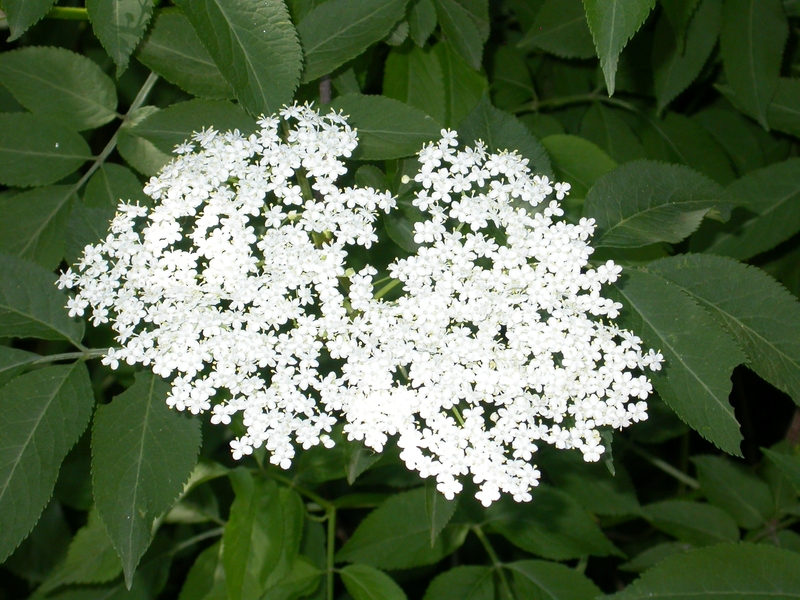
Sambucus nigra is a deciduous shrub or small tree that belongs to the Adoxaceae family. It is commonly known as elderberry, and it can grow up to 30 feet (9 meters) tall. The plant has pinnate leaves with 5-9 leaflets, and it produces small, creamy-white flowers that are followed by clusters of dark purple berries.
Plant Care Instructions
Outdoor Size Range
10-30 feet (3-9 meters)
Light Requirements
Elderberry plants prefer full sun to partial shade. They can tolerate some shade, but they will produce fewer flowers and fruits in such conditions.
Humidity Needs
Elderberry plants do not have any specific humidity requirements. They can tolerate a wide range of humidity levels.
Fertilizing Schedule
Elderberry plants do not require a lot of fertilizer. A balanced fertilizer applied once a year in the spring can help promote growth and fruiting.
Pruning Guidelines
Elderberry plants require regular pruning to maintain their shape and promote new growth. Prune in the late winter or early spring before new growth appears. Remove any dead, diseased, or damaged wood, and cut back any branches that are crossing or rubbing against each other.
Common Pests and Diseases
Elderberry plants can be affected by aphids, spider mites, and borers. They can also be susceptible to powdery mildew and leaf spot.
Indoor Size Range
3-6 feet (91-183 cm)
Watering Schedule
Elderberry plants require moderate watering. They prefer moist, well-draining soil, but they can also tolerate short periods of drought.
Temperature Range
Elderberry plants can grow in a wide range of temperatures, from -40°F (-40°C) to 100°F (38°C). However, they prefer temperatures between 60°F (15°C) and 75°F (24°C).
Growing Season
Elderberry plants typically bloom in the late spring or early summer, and they produce fruit in the late summer or early fall.
Growing Difficulty Level
Elderberry plants are relatively easy to grow. They are hardy and can tolerate a wide range of growing conditions. However, they require regular pruning and can be susceptible to some pests and diseases.
USDA Hardiness Zones
Elderberry plants are hardy in USDA zones 3-9.
Did You Know?
Elderberry has been used for medicinal purposes for centuries. It is believed to have anti-inflammatory, antiviral, and immune-boosting properties.
