Special Web Offer - Get 50% OFF!
Grab Your Deal Now
PlantSnap
Plant Care
Trembling mountain lupine
(Lupinus mutabilis)
Also Known As
Trembling mountain lupine, Andean lupin, Tarwi, Andean lupine, Lupin
About This Plant
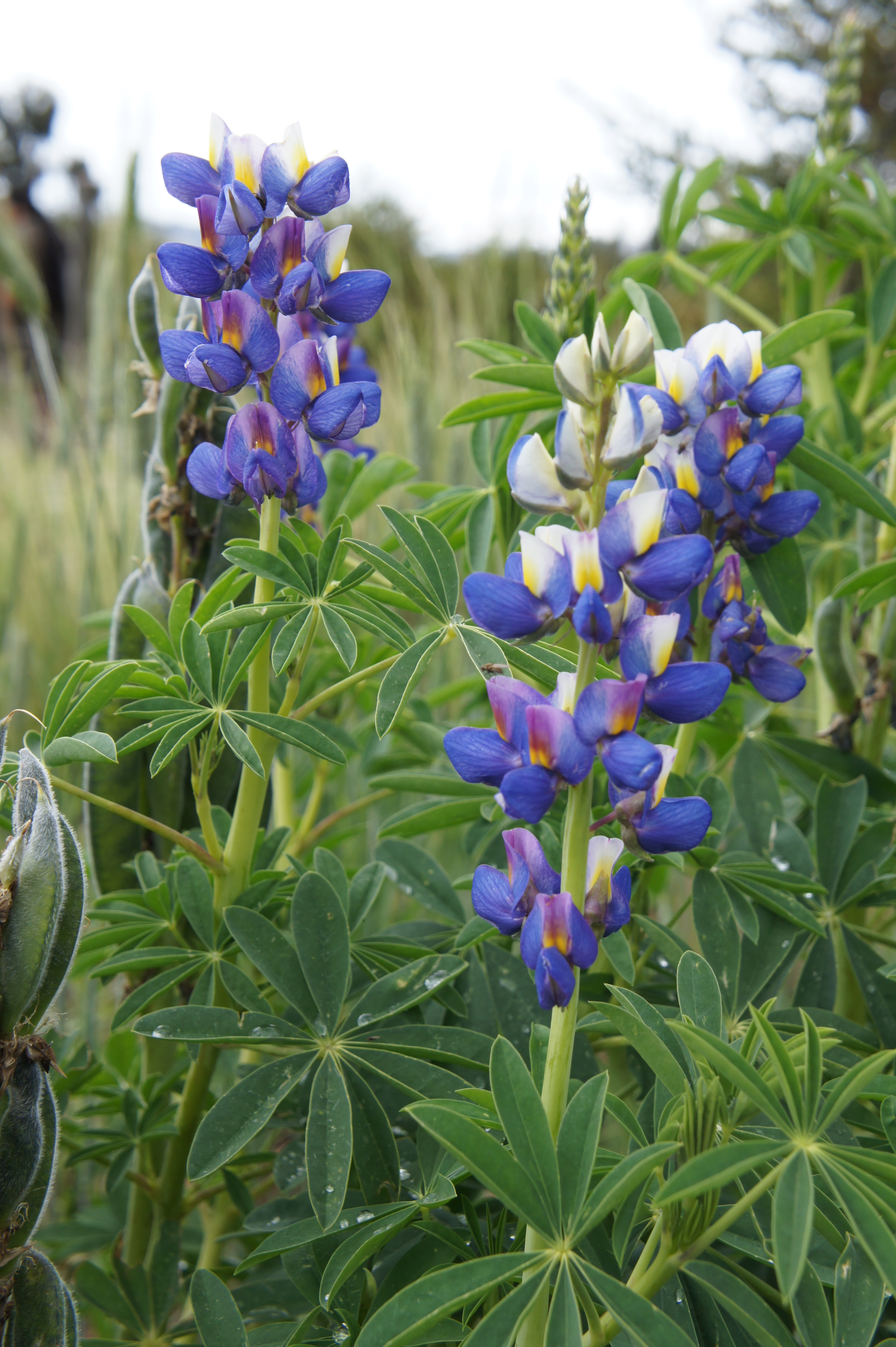
Lupinus mutabilis, commonly known as the Andean lupin, is a flowering plant species native to the Andes of South America. It is an annual herb that grows up to 1.5 m tall and produces showy, erect racemes of blue, pink, purple, or white flowers. The plant is known for its edible seeds, which are used as a food source in the Andean region.
Plant Care Instructions
Outdoor Size Range
Height: 3-5 feet (90-150 cm), Spread: 1-2 feet (30-60 cm)
Light Requirements
Andean lupin plants require full sun exposure for optimal growth and flowering. They need at least six hours of direct sunlight per day.
Humidity Needs
Andean lupin plants prefer dry air and do not require high humidity levels.
Fertilizing Schedule
Andean lupin plants do not require heavy fertilization. A balanced, slow-release fertilizer applied once a month during the growing season can help promote healthy growth and flowering.
Pruning Guidelines
Andean lupin plants do not require extensive pruning. Deadheading spent blooms can help prolong the flowering period.
Common Pests and Diseases
Andean lupin plants may be susceptible to aphids, spider mites, and slugs. Regular inspection and treatment with insecticidal soap or neem oil can help control these pests.
Indoor Size Range
Not suitable for indoor cultivation
Watering Schedule
Andean lupin plants require moderate watering. They prefer moist, well-drained soil, but can tolerate short periods of drought. Water the plants deeply once a week, or more often during hot, dry weather.
Temperature Range
Andean lupin plants prefer cool to moderate temperatures, between 60-75°F (15-24°C). They can tolerate temperatures as low as 40°F (4°C) and as high as 85°F (29°C).
Growing Season
Andean lupin plants are typically grown as annuals and can be planted in the spring after the last frost. They have a relatively short growing season and will begin to decline in late summer.
Growing Difficulty Level
Andean lupin plants are relatively easy to grow in the right conditions. They require full sun exposure, moderate watering, and well-drained soil.
USDA Hardiness Zones
Andean lupin plants are not frost-tolerant and are typically grown as annuals in USDA hardiness zones 9-11.
Did You Know?
Andean lupin plants have been cultivated for thousands of years by indigenous peoples in the Andean region of South America. The seeds are used to make a traditional dish called 'chocho', which is similar to hummus.