Special Web Offer - Get 50% OFF!
Grab Your Deal Now
PlantSnap
Plant Care
Rosemary
(Salvia rosmarinus)
Also Known As
Rosemary
About This Plant
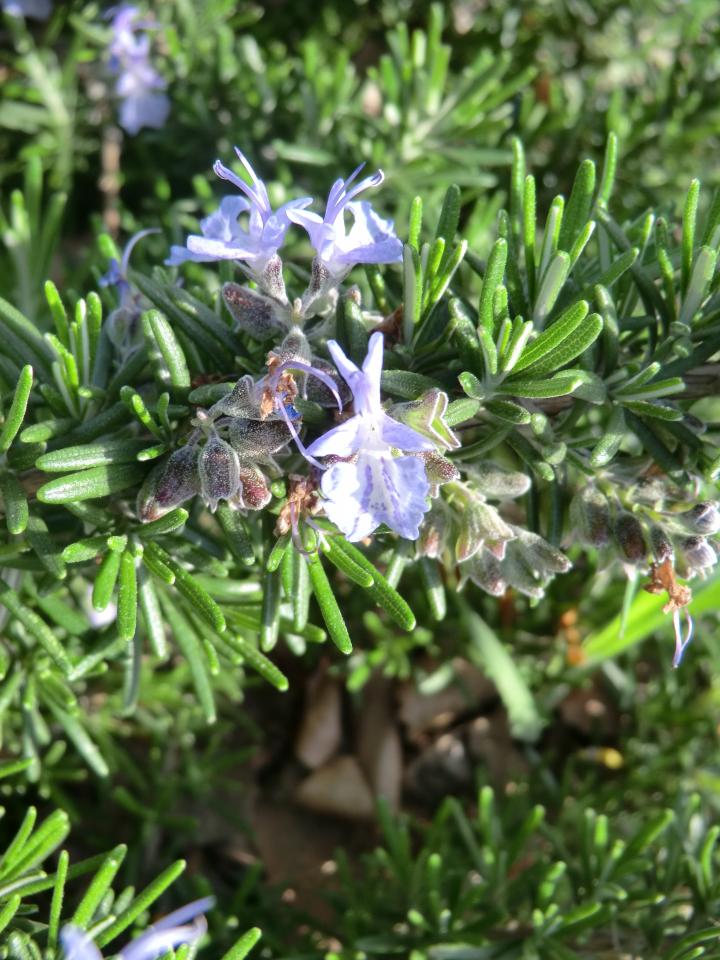
Salvia rosmarinus, commonly known as rosemary, is a woody, perennial herb with fragrant, evergreen, needle-like leaves and white, pink, purple, or blue flowers, native to the Mediterranean region.
Plant Care Instructions
Outdoor Size Range
24-72 inches (60-180 cm)
Light Requirements
Rosemary requires full sun for at least 6-8 hours per day.
Humidity Needs
Rosemary prefers low to moderate humidity levels.
Fertilizing Schedule
Rosemary does not require much fertilizer, but can benefit from a balanced fertilizer applied in early spring.
Pruning Guidelines
Rosemary should be pruned regularly to maintain its shape and promote bushier growth. Prune in early spring before new growth appears.
Common Pests and Diseases
Common pests and diseases for rosemary include spider mites, whiteflies, and powdery mildew.
Indoor Size Range
12-24 inches (30-60 cm)
Watering Schedule
Rosemary prefers well-drained soil and should be watered deeply but infrequently. Allow the soil to dry out slightly between waterings.
Temperature Range
Rosemary prefers warm temperatures between 60-80°F (16-27°C), but can tolerate temperatures as low as 30°F (-1°C).
Growing Season
Rosemary can be grown year-round in warm climates, but is typically grown as an annual in colder climates. It can be planted in the spring after the last frost.
Growing Difficulty Level
Rosemary is relatively easy to grow, but can be challenging for beginners due to its specific light, watering, and pruning requirements.
USDA Hardiness Zones
Rosemary is hardy in USDA zones 7-10.
Did You Know?
In ancient Greece, rosemary was believed to improve memory and was often worn by students while studying for exams. Recent studies have shown that the essential oil of rosemary may actually improve cognitive function.
