Special Web Offer - Get 50% OFF!
Grab Your Deal Now
PlantSnap
Plant Care
Weeping willow
(Salix babylonica)
Also Known As
Weeping willow, Babylon willow, Peking willow
About This Plant
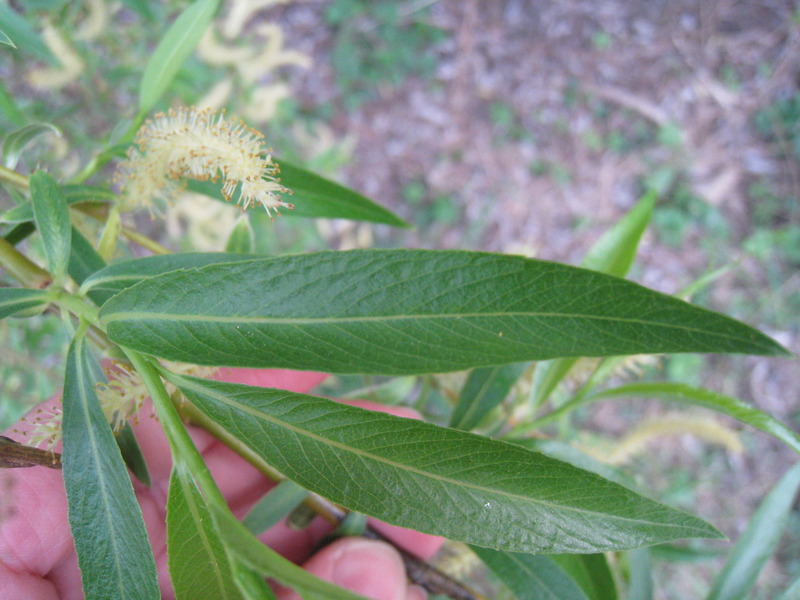
Salix babylonica is a deciduous tree that can grow up to 25 meters (82 feet) tall. It has a broad crown with drooping branches and narrow leaves that are light green on top and pale green underneath. The tree produces cylindrical catkins in the spring, which are followed by small, fluffy seeds that are dispersed by the wind.
Plant Care Instructions
Outdoor Size Range
50-82 feet (15-25 meters)
Light Requirements
Weeping willows require full sun to partial shade. They prefer at least six hours of direct sunlight per day.
Humidity Needs
Weeping willows prefer high humidity and can tolerate wet soil. They are often planted near bodies of water, such as ponds or streams.
Fertilizing Schedule
Weeping willows do not require fertilizer, but can benefit from a slow-release fertilizer in the spring.
Pruning Guidelines
Weeping willows require regular pruning to maintain their shape and prevent the branches from becoming too heavy and breaking. Pruning should be done in the late winter or early spring before new growth appears.
Common Pests and Diseases
Weeping willows are susceptible to a number of pests and diseases, including aphids, scale insects, and willow blight.
Indoor Size Range
Not suitable for indoor growth
Watering Schedule
Weeping willows require a lot of water, especially during the first few years of growth. The soil should be kept moist but not waterlogged. During periods of drought, the tree may need to be watered more frequently.
Temperature Range
Weeping willows can tolerate a wide range of temperatures, from -10 to 40 degrees Celsius (14 to 104 degrees Fahrenheit). They are hardy in USDA zones 6-8.
Growing Season
The best time to plant weeping willows is in the spring, after the last frost. They can also be planted in the fall, but should be given extra water to help them establish before winter.
Growing Difficulty Level
Weeping willows are relatively easy to grow, but require a lot of space and regular maintenance to prevent the branches from becoming too heavy and breaking.
USDA Hardiness Zones
6-8
Did You Know?
The weeping willow is often associated with sadness and mourning in Western culture, and is sometimes called the 'weeping tree'. However, in Chinese culture, the weeping willow is a symbol of strength and resilience.