Special Web Offer - Get 50% OFF!
Grab Your Deal Now
PlantSnap
Plant Care
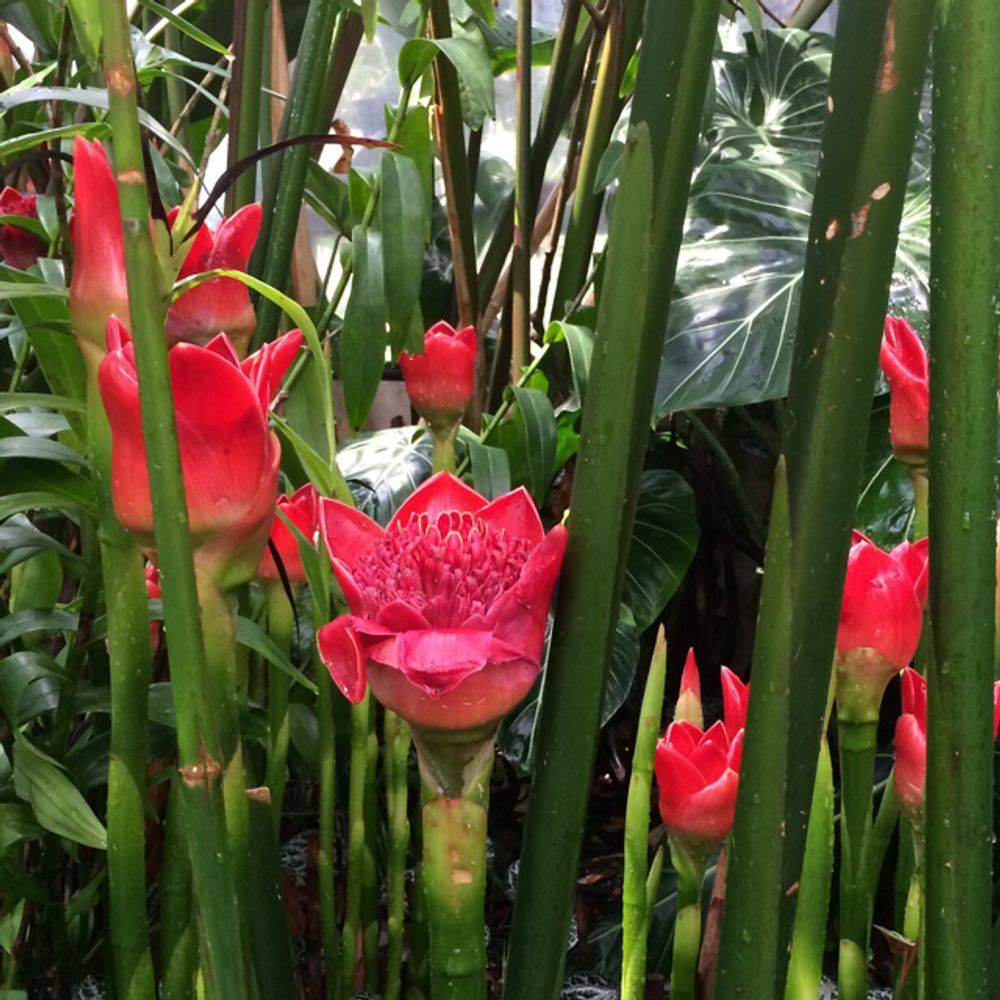
Torch ginger
(Etlingera elatior)
Also Known As
Torch ginger, Belancan, Ginger flower
About This Plant
Etlingera elatior, commonly known as torch ginger, is a tropical perennial plant that is native to Southeast Asia. It is a member of the Zingiberaceae family, which also includes ginger and turmeric. The plant produces large, colorful flowers that are used in traditional medicine and cuisine.
Plant Care Instructions
Outdoor Size Range
6-12 feet (1.8-3.7 meters)
Light Requirements
Torch ginger plants prefer bright, indirect light. They can tolerate some direct sunlight, but too much can damage the leaves and flowers.
Humidity Needs
Torch ginger plants thrive in high humidity environments, ideally between 60-70%. If the air is too dry, the plant may suffer from brown leaf edges and wilting.
Fertilizing Schedule
Fertilize the plant every 2-3 weeks during the growing season with a balanced fertilizer. Reduce fertilization during the winter months.
Pruning Guidelines
Prune the plant regularly to remove dead or damaged leaves and flowers. This will encourage new growth and prevent disease.
Common Pests and Diseases
Torch ginger plants are susceptible to spider mites, aphids, and mealybugs. Regularly inspect the plant for signs of infestation and treat with insecticidal soap if necessary.
Indoor Size Range
24-36 inches (61-91 cm)
Watering Schedule
The plant requires consistently moist soil, but it should not be waterlogged. Water the plant when the top inch of soil feels dry to the touch.
Temperature Range
The plant prefers warm temperatures between 70-85°F (21-29°C). It cannot tolerate temperatures below 50°F (10°C).
Growing Season
Torch ginger plants can be grown year-round in warm, humid environments.
Growing Difficulty Level
Torch ginger plants are considered moderately difficult to grow. They require high humidity and consistent moisture, which can be challenging to maintain in some environments.
USDA Hardiness Zones
Torch ginger plants are not cold hardy and can only be grown outdoors in USDA hardiness zones 10-12.
Did You Know?
In addition to its medicinal and culinary uses, torch ginger is also used in traditional Southeast Asian folklore to ward off evil spirits and attract good luck.
