Special Web Offer - Get 50% OFF!
Grab Your Deal Now
PlantSnap
Plant Care
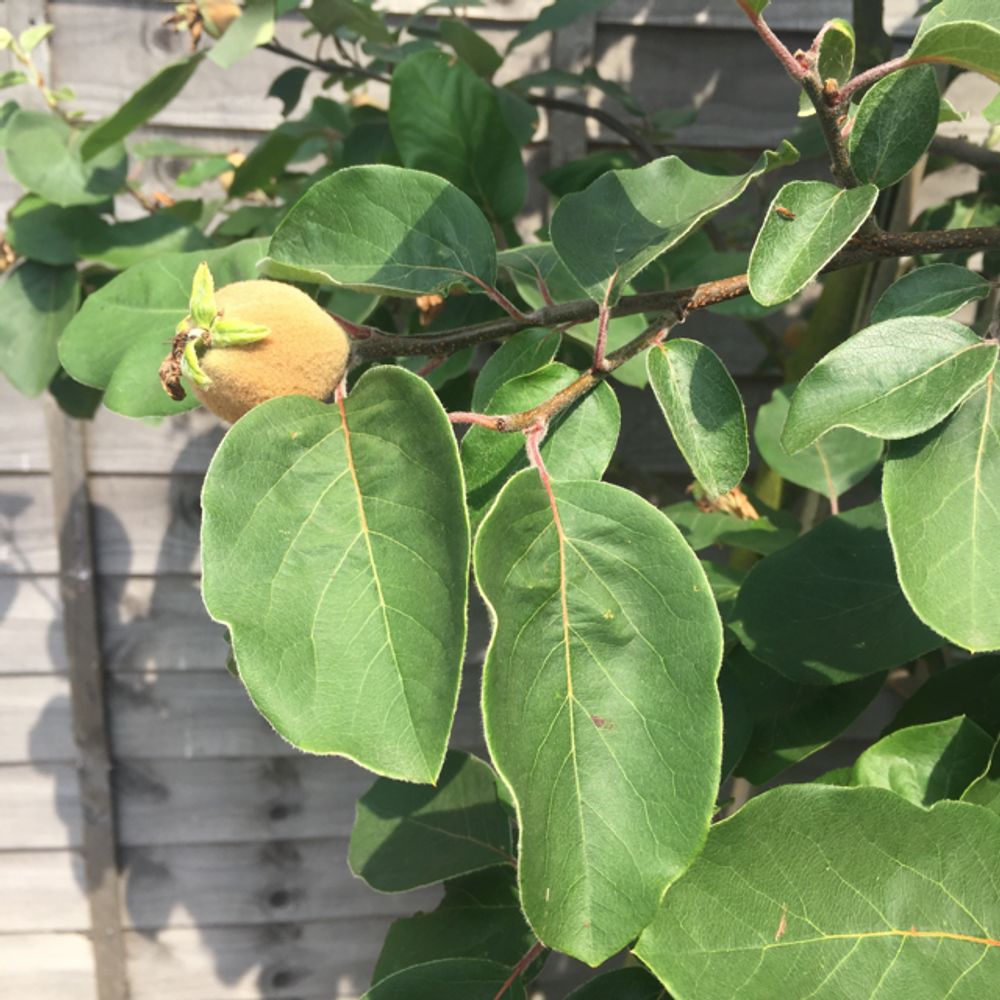
Quince
(Cydonia oblonga)
Also Known As
Quince, Common quince, Cydonia, Dried quince, Chinese quince
About This Plant
Cydonia oblonga is a small deciduous tree that belongs to the Rosaceae family. It is commonly known as quince and is native to Southwest Asia and the eastern Mediterranean region. The tree produces fragrant white or pink flowers in spring, followed by the fruit in autumn. The fruit is yellow-green and pear-shaped, with a hard, rough skin and a sour taste.
Plant Care Instructions
Outdoor Size Range
10-20 feet (3-6 meters) tall and 10-15 feet (3-4.5 meters) wide
Light Requirements
Quince trees require full sun to produce fruit. They need at least 6 hours of direct sunlight per day.
Humidity Needs
Quince trees prefer moderate humidity levels, but can tolerate dry air.
Fertilizing Schedule
Quince trees should be fertilized in the early spring with a balanced fertilizer. They do not require heavy feeding.
Pruning Guidelines
Quince trees should be pruned in late winter or early spring to remove dead or diseased wood and to shape the tree. They can also be pruned to encourage fruit production.
Common Pests and Diseases
Quince trees are susceptible to fire blight, a bacterial disease that can kill the tree. They can also be affected by aphids, mites, and scale insects.
Indoor Size Range
Not suitable for indoor growing.
Watering Schedule
Quince trees should be watered regularly, especially during the growing season. They prefer well-draining soil and should be watered deeply once a week, or more often during hot, dry weather.
Temperature Range
Quince trees are hardy in USDA zones 5-8 and can tolerate temperatures as low as -10°F (-23°C). They prefer cool to moderate temperatures and do not do well in hot, humid climates.
Growing Season
Quince trees typically begin to produce fruit 3-5 years after planting. The fruit ripens in late autumn and can be harvested when it is still firm. The fruit will continue to ripen after it is picked.
Growing Difficulty Level
Quince trees are moderately difficult to grow, as they require specific growing conditions and are susceptible to disease. However, with proper care and maintenance, they can produce a bountiful harvest of fruit.
USDA Hardiness Zones
USDA hardiness zones 5-8
Did You Know?
Quince was a popular fruit in ancient Greece and Rome and was often depicted in art and literature. It was also believed to have medicinal properties and was used to treat a variety of ailments.
