Special Web Offer - Get 50% OFF!
Grab Your Deal Now
PlantSnap
Plant Care
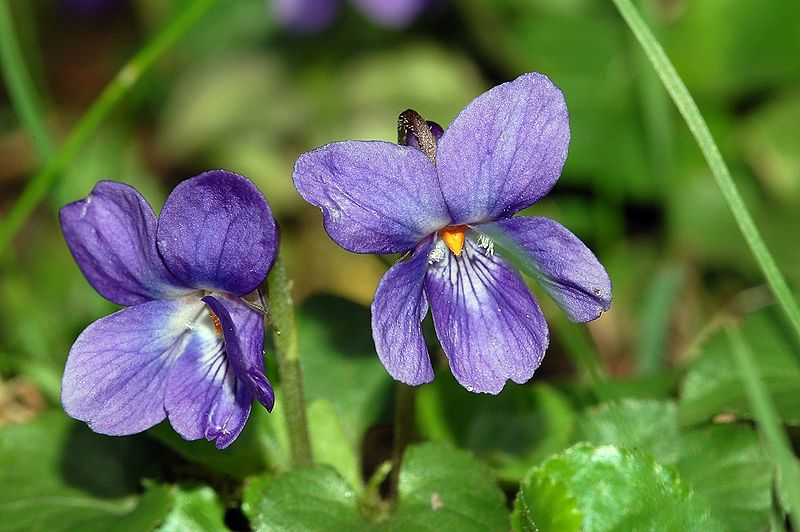
Sweet violet
(Viola odorata)
Also Known As
Sweet violet, Common violet, English violet, Garden violet
About This Plant
Viola odorata, commonly known as Sweet Violet, is a perennial flowering plant that belongs to the Violaceae family. It is native to Europe and Asia but has been introduced to North America and Australia. The plant has a distinct sweet fragrance and is commonly used in perfumes and other fragrances.
Plant Care Instructions
Outdoor Size Range
6-10 inches (15-25 cm)
Light Requirements
Sweet Violets prefer partial shade to full shade. They can tolerate full sun in the early spring, but as the weather warms up, they require more shade to prevent wilting.
Humidity Needs
Sweet Violets prefer moderate to high humidity levels. If the air is too dry, place a tray of water near the plant to increase humidity.
Fertilizing Schedule
Feed Sweet Violets with a balanced fertilizer every 2-3 weeks during the growing season. Do not fertilize during the winter months.
Pruning Guidelines
Deadhead spent blooms to encourage new growth and prevent the plant from going to seed. Cut back any leggy or overgrown stems to promote bushier growth.
Common Pests and Diseases
Sweet Violets are susceptible to aphids, spider mites, and powdery mildew. Regularly inspect the plant for signs of pests or disease and treat promptly with an appropriate insecticide or fungicide.
Indoor Size Range
6-12 inches (15-30 cm)
Watering Schedule
Sweet Violets prefer consistently moist soil, but not waterlogged. Water the plant when the top inch of soil feels dry to the touch.
Temperature Range
Sweet Violets prefer cool temperatures ranging from 60-65°F (15-18°C). They can tolerate temperatures down to 50°F (10°C) but may not survive in temperatures above 75°F (24°C).
Growing Season
Sweet Violets typically bloom in the spring and fall, but can also bloom throughout the summer in cooler climates.
Growing Difficulty Level
Sweet Violets are relatively easy to grow and care for, making them a great choice for novice gardeners.
USDA Hardiness Zones
Sweet Violets are hardy in USDA zones 4-8.
Did You Know?
In Greek mythology, the god Zeus turned his lover Io into a cow to protect her from his jealous wife Hera. As Io roamed the earth as a cow, she ate Sweet Violets, which became her favorite food.