Special Web Offer - Get 50% OFF!
Grab Your Deal Now
PlantSnap
Plant Care
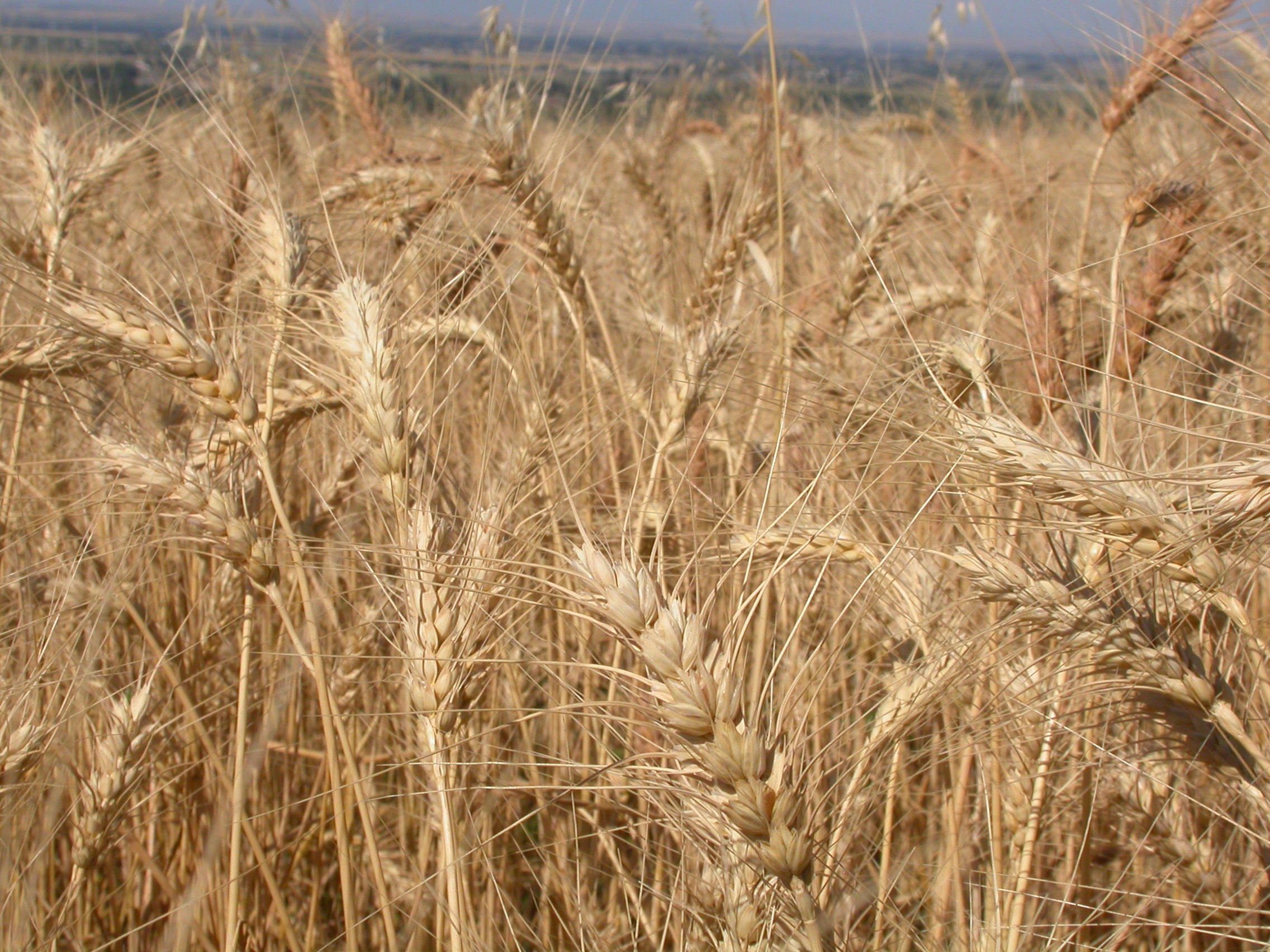
Common wheat
(Triticum aesticum)
Also Known As
Common wheat, Bread wheat, Variable wheat
About This Plant
Triticum aestivum is an annual grass that belongs to the wheat family. It is the most widely cultivated species of wheat in the world and is grown in almost every country. The plant has long, slender leaves and produces a spike-like inflorescence called a head, which contains the grain.
Plant Care Instructions
Outdoor Size Range
2-4 feet (60-120 cm)
Light Requirements
Wheat plants require full sun, at least six hours per day.
Humidity Needs
Wheat plants prefer moderate humidity levels, around 40-50%.
Fertilizing Schedule
Wheat plants require nitrogen-rich fertilizer. Apply fertilizer at planting and again when the plants begin to tiller.
Pruning Guidelines
No pruning is necessary for wheat plants.
Common Pests and Diseases
Common pests of wheat plants include aphids, armyworms, cutworms, and Hessian flies. Diseases such as rust, blight, and smut can also affect wheat plants.
Indoor Size Range
N/A
Watering Schedule
Wheat plants require consistent moisture, but not waterlogged soil. Water the plants when the top inch of soil becomes dry.
Temperature Range
Wheat plants grow best in temperatures between 60-75°F (15-24°C).
Growing Season
Wheat is typically planted in the fall and harvested in the summer.
Growing Difficulty Level
Wheat plants are relatively easy to grow, but require specific conditions in terms of temperature, moisture, and soil. They also require a lot of space to grow, making them difficult to cultivate in small gardens.
USDA Hardiness Zones
Wheat is not typically grown as a perennial and does not have a USDA hardiness zone.
Did You Know?
Wheat is one of the oldest cultivated crops in the world, with evidence of its cultivation dating back over 10,000 years.
