Special Web Offer - Get 50% OFF!
Grab Your Deal Now
PlantSnap
Plant Care
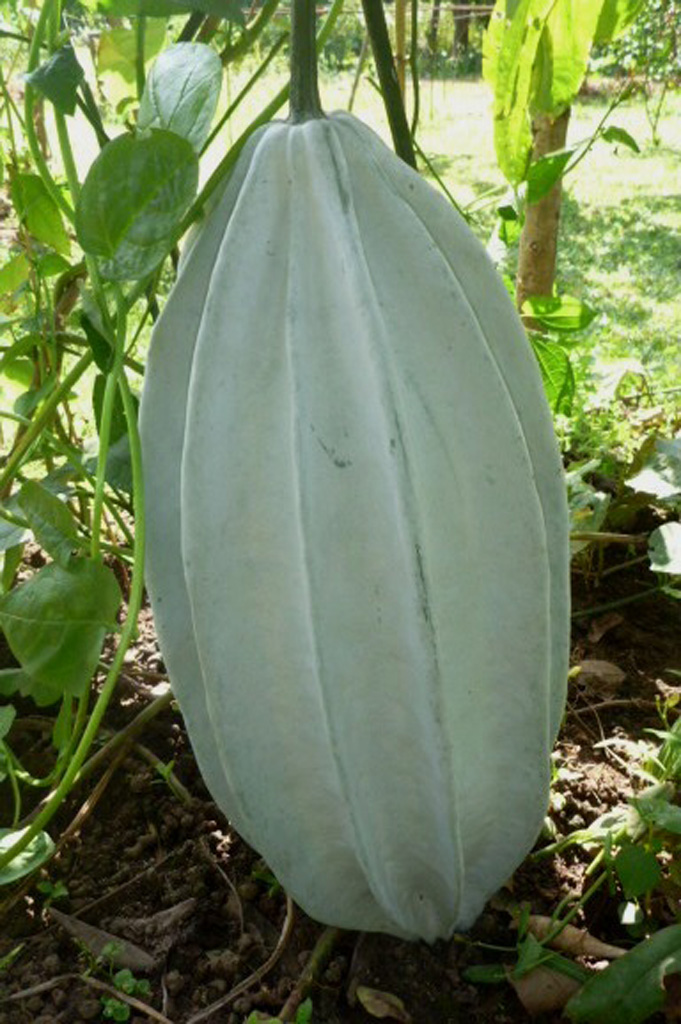
Fluted pumpkin
(Telfairia occidentalis)
Also Known As
Fluted pumpkin, African pumpkin, Iyana idan, Telfairia
About This Plant
Telfairia occidentalis is a vine plant species that is known for its edible seeds and leaves. It is commonly called 'Ugu' in Nigeria and is a popular vegetable in West African cuisine. The plant has a fast growth rate and can reach up to 30 feet (9.1 meters) in length.
Plant Care Instructions
Outdoor Size Range
Up to 30 feet (9.1 meters) in length
Light Requirements
Telfairia occidentalis requires full sunlight to partial shade. It is best to provide at least 6 hours of direct sunlight per day.
Humidity Needs
The plant prefers a moderate to high humidity level of around 50-70%. It is best to mist the leaves regularly to provide adequate moisture.
Fertilizing Schedule
The plant requires regular fertilization with a balanced fertilizer. It is best to fertilize every 2-3 weeks during the growing season.
Pruning Guidelines
Telfairia occidentalis requires regular pruning to control its growth and promote bushier growth. It is best to prune in the early spring before new growth appears.
Common Pests and Diseases
Common pests that can affect Telfairia occidentalis include aphids, spider mites, and whiteflies. Diseases such as powdery mildew and leaf spot can also occur.
Indoor Size Range
Not suitable for indoor growth
Watering Schedule
The plant requires regular watering to keep the soil moist but not waterlogged. It is important to avoid overwatering as this can lead to root rot.
Temperature Range
Telfairia occidentalis prefers warm temperatures between 70-85°F (21-29°C). It is important to protect the plant from frost and extreme temperatures.
Growing Season
The growing season for Telfairia occidentalis is typically from spring to fall.
Growing Difficulty Level
Telfairia occidentalis is a relatively easy plant to grow as long as it is provided with the right growing conditions.
USDA Hardiness Zones
Telfairia occidentalis is not a cold-hardy plant and is best grown in USDA hardiness zones 10-12.
Did You Know?
The seeds of Telfairia occidentalis are known for their high protein content and are used in traditional medicine for their anti-inflammatory properties.
