Special Web Offer - Get 50% OFF!
Grab Your Deal Now
PlantSnap
Plant Care
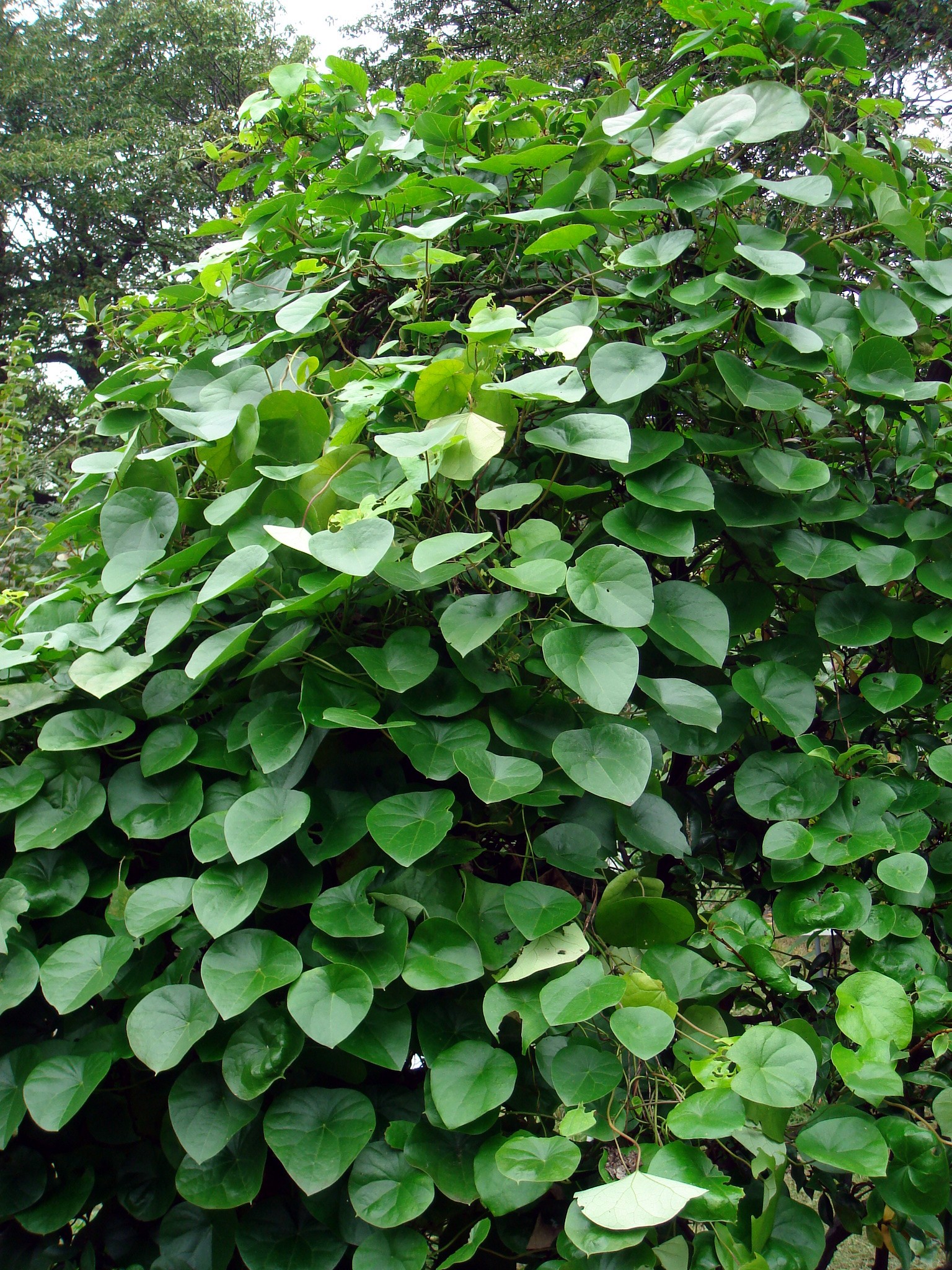
Snake vine
(Stephania japonica)
Also Known As
Snake vine, Japanese stephania, Tennent's stepania, S. japonica
About This Plant
Stephania japonica is a perennial vine species that belongs to the family Menispermaceae. It has a woody stem and grows up to 3 meters in length. The leaves are alternate, heart-shaped, and glossy green. The flowers are small, greenish-white, and bloom in early summer. The fruit is a small, red berry that contains a single seed.
Plant Care Instructions
Outdoor Size Range
Up to 30 feet (914 cm)
Light Requirements
Stephania japonica prefers bright, filtered light. It can tolerate some shade but does not do well in direct sunlight.
Humidity Needs
This plant prefers high humidity levels, so it is recommended to mist the leaves regularly or place a tray of water near the plant to increase the humidity.
Fertilizing Schedule
Fertilize the plant monthly during the growing season with a balanced fertilizer. Reduce fertilization in the winter months.
Pruning Guidelines
Prune the plant in late winter or early spring before new growth appears. Remove any dead or damaged stems and trim back any overgrown branches to encourage bushier growth.
Common Pests and Diseases
Common pests for Stephania japonica include spider mites, whiteflies, and mealybugs. It can also be susceptible to fungal diseases such as powdery mildew.
Indoor Size Range
6-8 feet (182-244 cm)
Watering Schedule
Water the plant regularly, keeping the soil moist but not waterlogged. Allow the soil to dry out slightly between waterings.
Temperature Range
Stephania japonica prefers warm temperatures between 65-85°F (18-29°C). It can tolerate slightly cooler temperatures but should be protected from frost.
Growing Season
The growing season for Stephania japonica is from late spring to early fall.
Growing Difficulty Level
Stephania japonica is considered moderately difficult to grow. It requires specific growing conditions and can be susceptible to pests and diseases.
USDA Hardiness Zones
Stephania japonica is hardy in USDA zones 9-11.
Did You Know?
Stephania japonica is used in traditional Chinese medicine to treat a variety of ailments, including fever, diarrhea, and rheumatoid arthritis.