Special Web Offer - Get 50% OFF!
Grab Your Deal Now
PlantSnap
Plant Care
Lombardy poplar
(Populus nigra italica)
Also Known As
Lombardy poplar, Italian poplar
About This Plant
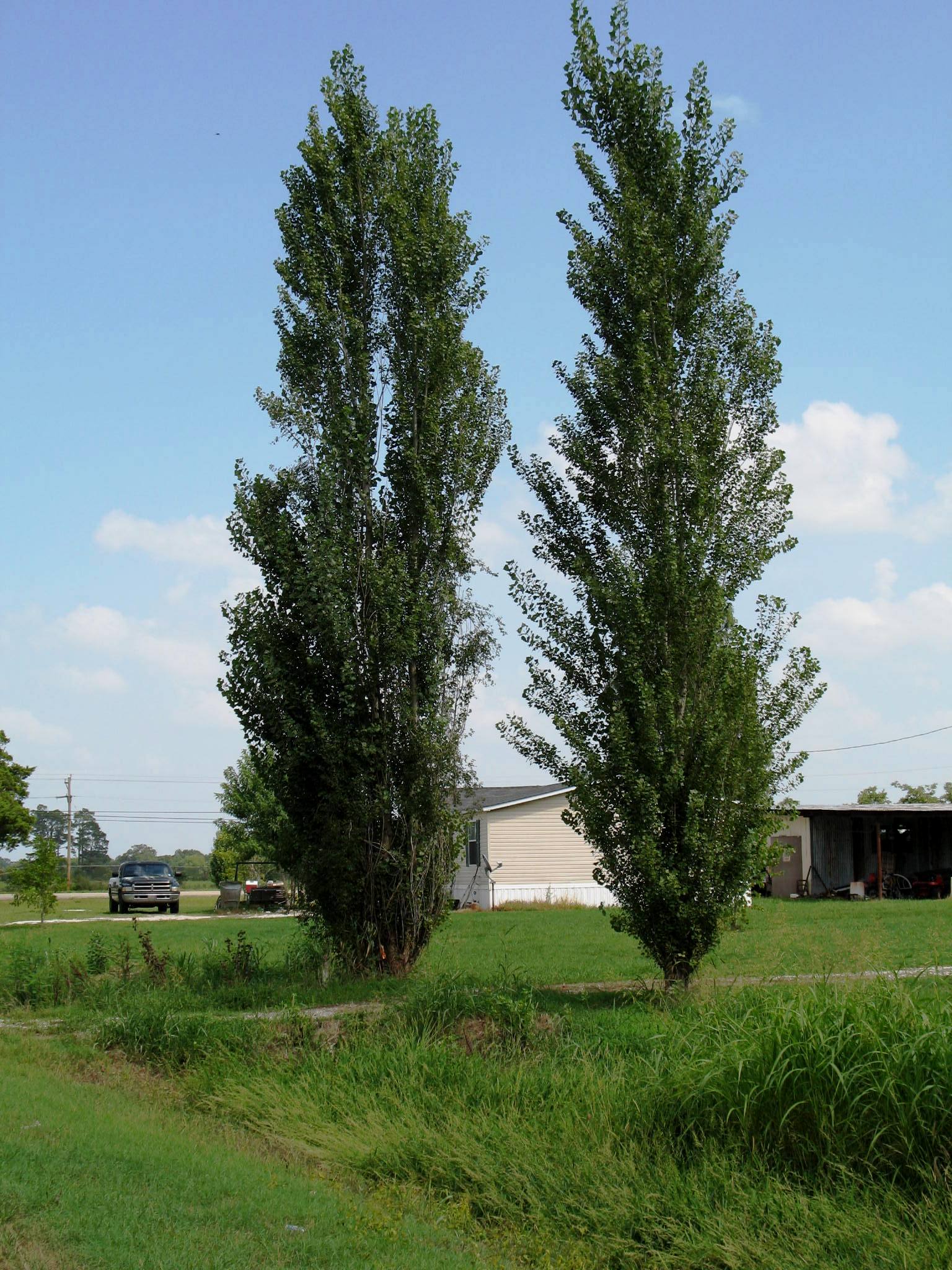
Populus nigra italica is a deciduous tree that can grow up to 30 meters tall. It has an upright habit and a narrow crown. The leaves are diamond-shaped and glossy green. The bark is smooth and greyish-brown when young, becoming rough and deeply fissured with age. The tree produces catkins in the spring, which are followed by small, fluffy seeds.
Plant Care Instructions
Outdoor Size Range
60 - 80 feet (18 - 24 meters)
Light Requirements
Lombardy poplars prefer full sun, but can tolerate some shade. They require at least 6 hours of direct sunlight per day.
Humidity Needs
Lombardy poplars do not have any specific humidity requirements.
Fertilizing Schedule
Lombardy poplars do not require fertilizer, but can benefit from a balanced fertilizer in the spring.
Pruning Guidelines
Lombardy poplars require regular pruning to maintain their shape and prevent breakage. Pruning should be done in late winter or early spring before new growth appears.
Common Pests and Diseases
Lombardy poplars are susceptible to aphids, borers, and canker diseases.
Indoor Size Range
Not suitable for indoor growth
Watering Schedule
Lombardy poplars need regular watering, especially during the first few years of growth. They prefer moist, well-draining soil and can tolerate occasional flooding.
Temperature Range
Lombardy poplars are hardy in USDA zones 4-9 and can tolerate a wide range of temperatures.
Growing Season
The growing season for Lombardy poplars is from spring to fall.
Growing Difficulty Level
Lombardy poplars are relatively easy to grow, but require regular maintenance and pruning.
USDA Hardiness Zones
4-9
Did You Know?
The Lombardy poplar was a popular tree in 18th century landscape design and was often used to line the driveways of grand estates.
