Special Web Offer - Get 50% OFF!
Grab Your Deal Now
PlantSnap
Plant Care
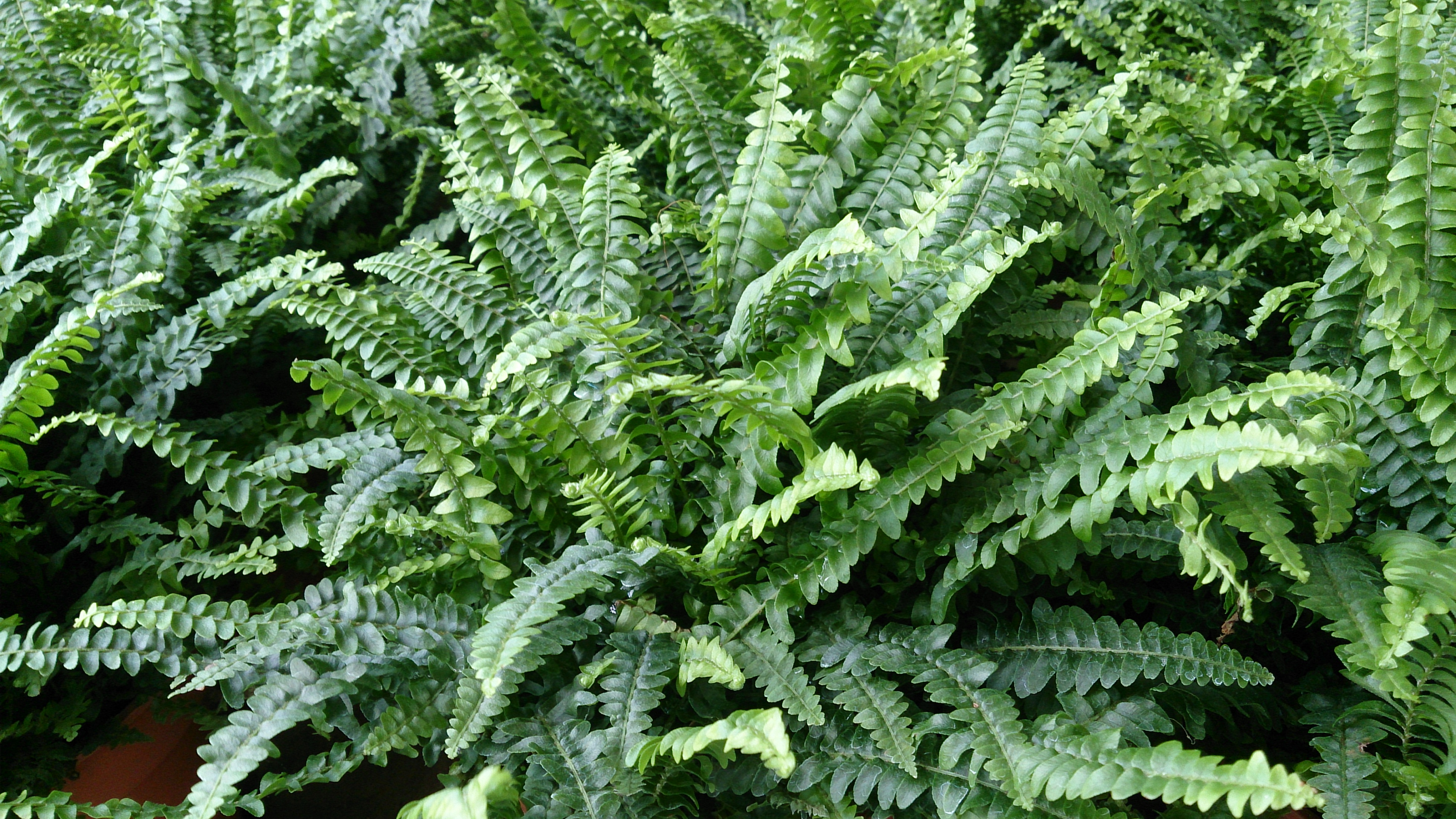
Boston fern
(Nephrolepis exaltata)
Also Known As
Boston fern, Sword fern, Nephrolepis, Common fern
About This Plant
Nephrolepis exaltata is a tropical fern species that is native to America, Africa, and Polynesia. It is commonly known as the Boston fern due to its popularity in the city in the 19th century.
Plant Care Instructions
Outdoor Size Range
24-36 inches (60-90 cm)
Light Requirements
Boston ferns prefer bright, indirect light. Direct sunlight can burn their leaves, while too little light can cause the plant to become leggy.
Humidity Needs
Boston ferns require high humidity levels to thrive. They should be placed in a room with a humidity level of at least 50%, or near a humidifier or pebble tray.
Fertilizing Schedule
Boston ferns should be fertilized every 2-4 weeks during the growing season with a balanced, water-soluble fertilizer. They do not require fertilizer during the winter months.
Pruning Guidelines
Dead or yellowing fronds should be removed regularly to promote new growth. Boston ferns can also be divided every few years to prevent overcrowding.
Common Pests and Diseases
Common pests for Boston ferns include spider mites, mealybugs, and scale. They may also be susceptible to fungal diseases if they are overwatered.
Indoor Size Range
12-24 inches (30-60 cm)
Watering Schedule
The soil should be kept consistently moist, but not waterlogged. Watering once a week is usually sufficient, but the frequency should be increased during hot, dry weather.
Temperature Range
The ideal temperature range for Boston ferns is between 60-75°F (15-24°C). They should be kept away from drafts and cold air.
Growing Season
Boston ferns can be grown year-round, but they may require more frequent watering and fertilizing during the spring and summer months when they are actively growing.
Growing Difficulty Level
Boston ferns are relatively easy to grow, but they require high humidity levels and consistent watering. They are a good choice for beginner gardeners.
USDA Hardiness Zones
9-11
Did You Know?
NASA has listed the Boston fern as one of the top air-purifying plants, as it can help remove pollutants such as formaldehyde and xylene from the air.
