Special Web Offer - Get 50% OFF!
Grab Your Deal Now
PlantSnap
Plant Care
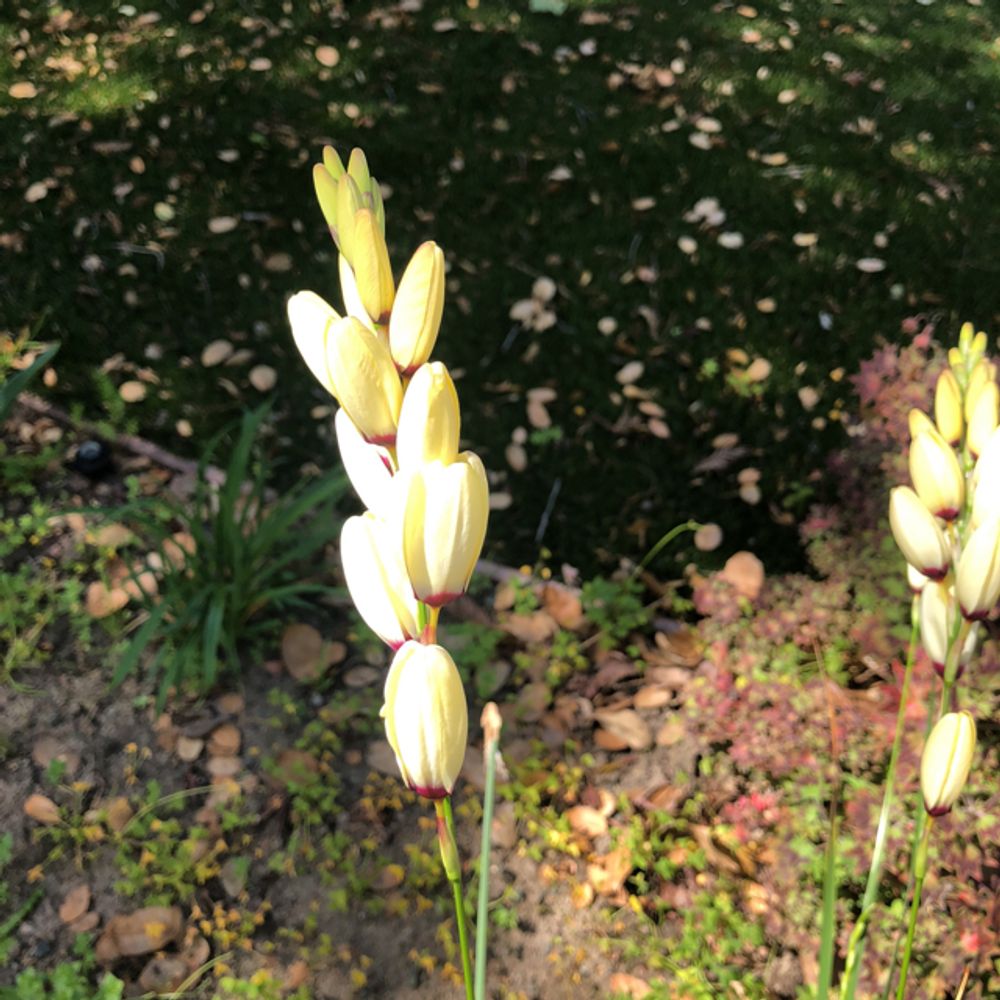
Yellow bush lupine
(Lupinus arboreus)
Also Known As
Yellow bush lupine, Tree lupine, Coastal lupine
About This Plant
Lupinus arboreus is a species of lupine known by the common name yellow bush lupine. It is a shrub-like perennial plant native to the western United States, where it grows along the coastline and in the coastal mountain ranges. The plant produces tall spikes of bright yellow flowers in the spring and summer.
Plant Care Instructions
Outdoor Size Range
24-60 inches (60-152 cm) tall, 24-36 inches (60-91 cm) wide
Light Requirements
Yellow bush lupine requires full sun to thrive. It should be planted in a location that receives at least 6 hours of direct sunlight per day.
Humidity Needs
Yellow bush lupine prefers low humidity and does not require any special attention in this regard.
Fertilizing Schedule
Yellow bush lupine does not require a lot of fertilizer. A balanced, slow-release fertilizer can be applied in the spring to encourage healthy growth and flowering.
Pruning Guidelines
This plant does not require much pruning, but deadheading spent flowers can encourage more blooms. It can also be pruned in the fall to remove dead or damaged growth.
Common Pests and Diseases
Yellow bush lupine is generally not bothered by pests or diseases, but it can be susceptible to root rot in poorly-drained soil.
Indoor Size Range
Not suitable for indoor growth
Watering Schedule
This plant is drought-tolerant and does not require a lot of watering. It should be watered deeply once a week during the growing season, and less frequently during periods of rain or cooler weather.
Temperature Range
This plant is adapted to the mild coastal climate of the western United States and does best in moderate temperatures between 60-75°F (15-24°C). It can tolerate some frost but is not cold hardy.
Growing Season
Yellow bush lupine blooms in the spring and summer months, typically from April to August.
Growing Difficulty Level
Yellow bush lupine is relatively easy to grow and requires minimal maintenance. It is well-suited to the coastal climates of the western United States.
USDA Hardiness Zones
Yellow bush lupine is hardy in USDA zones 8-10.
Did You Know?
Yellow bush lupine is an important plant for the ecology of coastal dunes and other sandy habitats. It has a deep taproot that helps to stabilize the soil and prevent erosion, and its flowers are an important food source for bees, butterflies, and other pollinators.