Special Web Offer - Get 50% OFF!
Grab Your Deal Now
PlantSnap
Plant Care
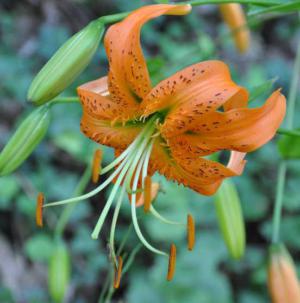
Henry's lily
(Lilium henryi)
Also Known As
Henry's lily, Orange daylily, Tiger lily
About This Plant
Lilium henryi is a species of lily native to central and western China. It is a perennial herb growing from a bulb. The flowers are orange-yellow and spotted maroon or purple. It is a popular garden plant that is widely cultivated for its attractive flowers and sweet fragrance.
Plant Care Instructions
Outdoor Size Range
36-48 inches (91-122 cm)
Light Requirements
Lilium henryi requires full sun to partial shade. It is best to plant it in an area that receives at least 6 hours of direct sunlight per day.
Humidity Needs
Lilium henryi prefers moderate humidity levels, around 40-60%. If the air is too dry, you can increase humidity by misting the leaves or placing a humidifier nearby.
Fertilizing Schedule
Fertilize the plant with a balanced fertilizer once a month during the growing season. Stop fertilizing in the fall to allow the plant to go dormant.
Pruning Guidelines
Remove spent flowers to encourage the plant to produce more blooms. Cut back the stems to the ground after they have turned yellow in the fall.
Common Pests and Diseases
Common pests include aphids, spider mites, and lily beetles. Diseases include botrytis blight and bulb rot.
Indoor Size Range
24-36 inches (61-91 cm)
Watering Schedule
It requires moderate watering, keeping the soil moist but not waterlogged. Water the plant deeply once a week during the growing season, and reduce watering in the winter.
Temperature Range
It grows well in temperatures between 60-75°F (15-24°C). It can tolerate temperatures as low as 50°F (10°C) and as high as 85°F (29°C).
Growing Season
The growing season for Lilium henryi is from late spring to early fall.
Growing Difficulty Level
Lilium henryi is moderately difficult to grow. It requires well-draining soil, moderate watering, and protection from pests and diseases.
USDA Hardiness Zones
It is hardy in USDA zones 4-8.
Did You Know?
Lilium henryi is named after Augustine Henry, an Irish plant collector who discovered the species in China in the late 19th century.