Special Web Offer - Get 50% OFF!
Grab Your Deal Now
PlantSnap
Plant Care
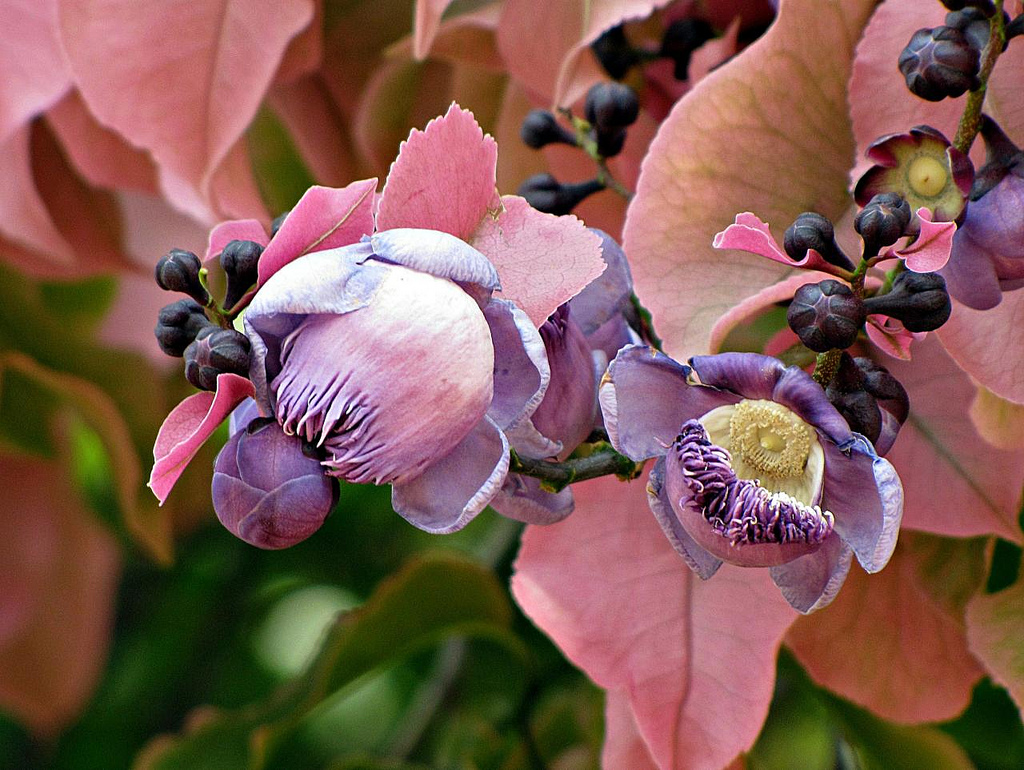
Paradise nut
(Lecythis pisonis)
Also Known As
Paradise nut, Brazil nut, Coconut of the amazon, Lecythis
About This Plant
Lecythis pisonis is a species of tree in the Lecythidaceae family. It is commonly known as the Paradise Nut or Monkey Pot. The plant is native to the Amazon Rainforest in South America.
Plant Care Instructions
Outdoor Size Range
40-50 feet (12-15 meters) tall and 20-30 feet (6-9 meters) wide
Light Requirements
The Paradise Nut prefers partial shade to full sun. It can tolerate direct sunlight but needs protection from strong winds.
Humidity Needs
The Paradise Nut thrives in high humidity levels, around 80%. It is recommended to mist the leaves regularly.
Fertilizing Schedule
The Paradise Nut requires regular fertilization during the growing season. Use a balanced fertilizer every two weeks.
Pruning Guidelines
The plant does not require pruning, but it can be done to shape the tree or remove dead branches.
Common Pests and Diseases
The Paradise Nut is susceptible to pests such as spider mites, mealybugs, and scale insects. It can also be affected by fungal diseases such as leaf spot and powdery mildew.
Indoor Size Range
Not suitable for indoor growth
Watering Schedule
The plant requires regular watering, especially during the growing season. The soil should be kept moist but not waterlogged.
Temperature Range
The plant prefers warm temperatures between 65-85°F (18-29°C). It cannot tolerate frost.
Growing Season
The Paradise Nut grows during the rainy season in the Amazon Rainforest, from December to May.
Growing Difficulty Level
The Paradise Nut is considered moderately difficult to grow. It requires specific growing conditions and regular maintenance.
USDA Hardiness Zones
The Paradise Nut is not cold-hardy and cannot tolerate frost. It is suitable for USDA hardiness zones 10-12.
Did You Know?
The Paradise Nut gets its name from the fact that it was traditionally used by indigenous tribes in the Amazon Rainforest to hold water, and monkeys were known to use their strong jaws to break open the hard shell to get to the water inside.
