Special Web Offer - Get 50% OFF!
Grab Your Deal Now
PlantSnap
Plant Care
Sweet pea
(Lathyrus odoratus)
Also Known As
Sweet pea, Everlasting pea, Garden pea
About This Plant
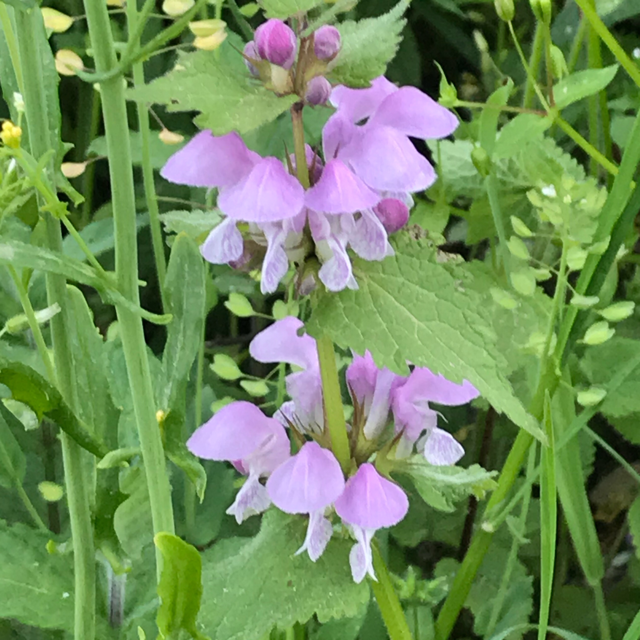
Lathyrus odoratus is an annual climbing plant species that grows up to 6 feet (182 cm) tall. It has compound leaves with two oval leaflets and a tendril that helps the plant climb. The flowers are fragrant and come in a variety of colors including pink, purple, red, white, and bi-colored.
Plant Care Instructions
Outdoor Size Range
4-6 feet (121-182 cm)
Light Requirements
Sweet peas require full sun to partial shade. They need at least 6 hours of direct sunlight per day.
Humidity Needs
Sweet peas prefer moderate humidity levels between 40-60%. If the air is too dry, mist the leaves with water.
Fertilizing Schedule
Sweet peas benefit from a balanced fertilizer applied every 4-6 weeks during the growing season. Avoid high-nitrogen fertilizers as they can reduce flower production.
Pruning Guidelines
Pinch back the tips of the sweet pea plant when it reaches 6 inches (15 cm) tall to encourage bushier growth. Deadhead spent flowers to encourage more blooms.
Common Pests and Diseases
Common pests include aphids, spider mites, and thrips. Diseases include powdery mildew and botrytis. Proper air circulation and sanitation practices can help prevent these issues.
Indoor Size Range
Not suitable for indoor growth
Watering Schedule
Sweet peas prefer consistently moist soil, but not waterlogged. Water deeply once or twice a week, depending on weather conditions.
Temperature Range
Sweet peas prefer cool temperatures between 55-65°F (13-18°C). They can tolerate slightly warmer temperatures, but will not grow well in hot weather.
Growing Season
Sweet peas are typically planted in the spring and bloom in the summer. In warmer climates, they can be planted in the fall for winter and spring blooms.
Growing Difficulty Level
Sweet peas are moderately difficult to grow. They require cool temperatures and consistent moisture, and can be susceptible to pests and diseases.
USDA Hardiness Zones
Sweet peas are hardy in USDA zones 2-11.
Did You Know?
Sweet peas are not actually peas, but are a member of the legume family. They were named 'sweet' because of their sweet fragrance.
