Special Web Offer - Get 50% OFF!
Grab Your Deal Now
PlantSnap
Plant Care
Rocky mountain juniper
(Juniperus scopulorum)
Also Known As
Rocky mountain juniper, Western juniper, Eastern juniper
About This Plant
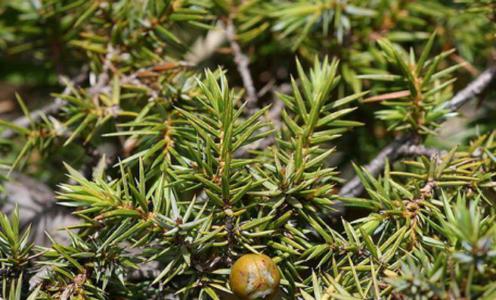
Juniperus scopulorum is a species of juniper native to western North America, including the Rocky Mountains from southeastern British Columbia south to New Mexico, and western South Dakota, Wyoming, and Montana. It is an evergreen coniferous tree growing to 20-40 feet (6-12 meters) tall, with a trunk up to 2 feet (0.6 meters) diameter. The foliage is needle-like, in whorls of three, and the cones are berry-like, 6-10 mm in diameter, blue-black with a whitish waxy bloom, and contain a single seed.
Plant Care Instructions
Outdoor Size Range
20-40 feet (6-12 meters) tall, with a trunk up to 2 feet (0.6 meters) diameter
Light Requirements
Juniperus scopulorum prefers full sun to partial shade. It can tolerate some shade, but too much shade will result in spindly growth and increased susceptibility to disease.
Humidity Needs
Juniperus scopulorum prefers low humidity and is tolerant of dry air.
Fertilizing Schedule
This plant species does not require fertilizer, but if you want to fertilize it, use a slow-release fertilizer in early spring.
Pruning Guidelines
Juniperus scopulorum does not require pruning, but it can be pruned to maintain its shape or size in late winter or early spring.
Common Pests and Diseases
Common pests for Juniperus scopulorum include spider mites, scale insects, and bagworms. Diseases that can affect this plant species include cedar-apple rust, juniper blight, and Phomopsis blight.
Indoor Size Range
Not suitable for indoor cultivation
Watering Schedule
This plant species is drought-tolerant once established, but it should be watered regularly during the first year after planting. After that, it should be watered only during prolonged dry periods.
Temperature Range
This plant species is hardy to USDA zones 4-7, which means it can tolerate temperatures as low as -30°F (-34°C) to 0°F (-18°C).
Growing Season
The best time to plant Juniperus scopulorum is in the fall or early spring when the soil is moist and temperatures are cool.
Growing Difficulty Level
Juniperus scopulorum is relatively easy to grow and maintain, making it a good choice for beginner gardeners.
USDA Hardiness Zones
4-7
Did You Know?
Juniper berries are used to flavor gin and other alcoholic beverages, and they have also been used in traditional medicine to treat a variety of ailments, including arthritis, indigestion, and urinary tract infections.