Special Web Offer - Get 50% OFF!
Grab Your Deal Now
PlantSnap
Plant Care
Butternut
(Juglans cinerea)
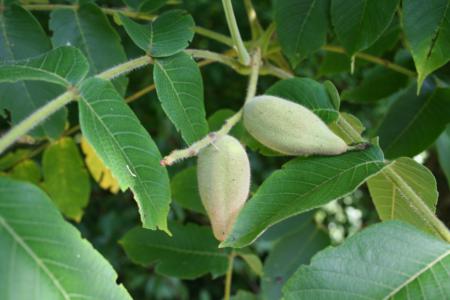
Also Known As
Butternut, White walnut, Oilnut
About This Plant
Juglans cinerea is a species of deciduous tree native to North America. It is commonly known as the butternut, white walnut, or oilnut. The tree produces a flavorful nut that is used for cooking and baking.
Plant Care Instructions
Outdoor Size Range
50-60 feet (15-18 meters)
Light Requirements
Butternut trees prefer full sun to partial shade. They require at least 6 hours of direct sunlight per day.
Humidity Needs
Butternut trees do not have any specific humidity requirements.
Fertilizing Schedule
Fertilize butternut trees in the early spring with a balanced fertilizer. Do not fertilize in the fall.
Pruning Guidelines
Prune butternut trees in the late winter or early spring before new growth appears. Remove any dead, damaged, or diseased branches. Thin out crowded branches to improve air circulation.
Common Pests and Diseases
Butternut can be susceptible to butternut canker, a fungal disease that can kill the tree. The butternut curculio is a common pest that can damage the tree's nuts.
Indoor Size Range
N/A
Watering Schedule
Butternut trees prefer consistently moist soil, but they can tolerate some drought. Water the tree deeply once a week during dry periods.
Temperature Range
Butternut trees are hardy in USDA zones 3-7. They can tolerate temperatures as low as -40°F (-40°C).
Growing Season
The growing season for butternut trees is from late spring to early fall.
Growing Difficulty Level
Butternut trees can be difficult to grow due to their susceptibility to butternut canker. They also require a lot of space to grow, making them unsuitable for small yards.
USDA Hardiness Zones
USDA hardiness zones 3-7
Did You Know?
The butternut tree is an important species for wildlife, providing food and habitat for a variety of animals including squirrels, chipmunks, and birds.
