Special Web Offer - Get 50% OFF!
Grab Your Deal Now
PlantSnap
Plant Care
Loquat
(Eriobotrya japonica)
Also Known As
Loquat, Japanese medlar, Nespera
About This Plant
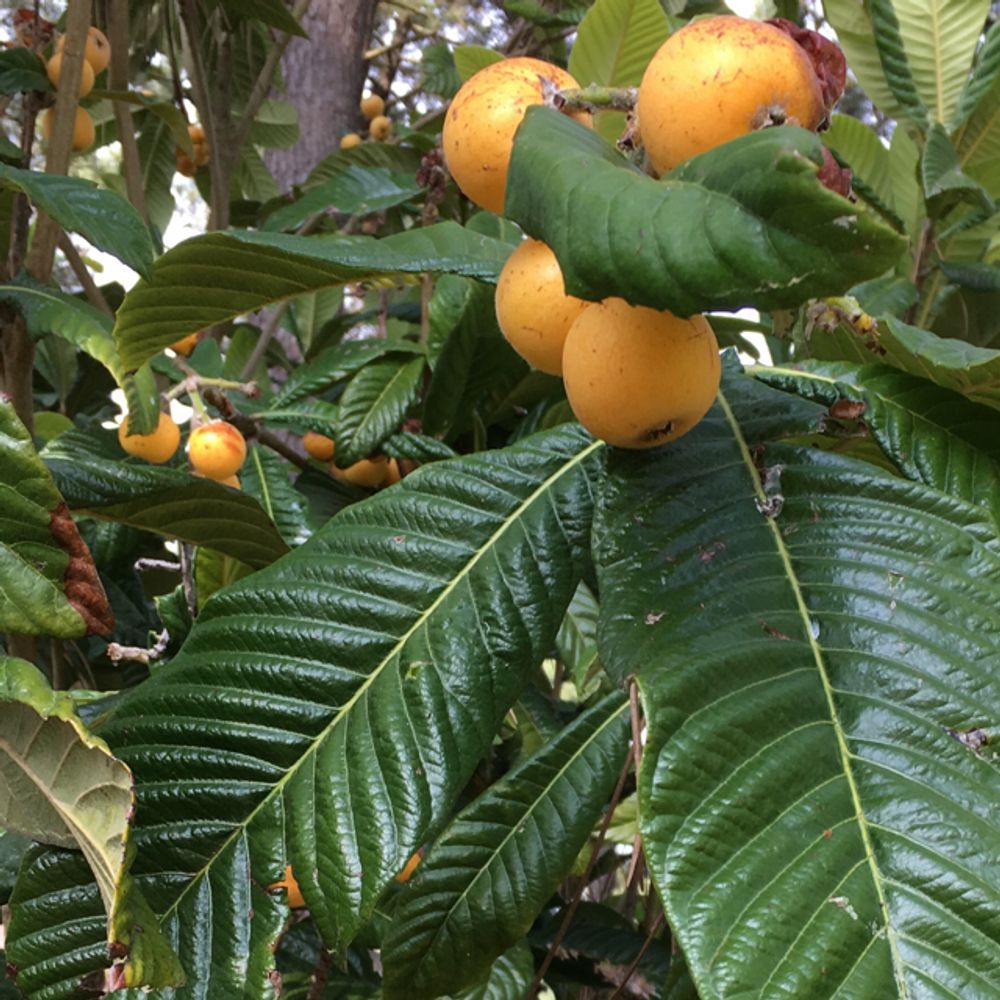
Eriobotrya japonica is a species of flowering plant in the family Rosaceae. It is a small to medium-sized evergreen tree that can grow up to 10-30 feet (3-9 meters) tall. The leaves are large, dark green, glossy, and have a distinctive shape with a pointed tip and serrated edges. The flowers are white and fragrant, and the fruit is a yellow-orange pome that is edible and tastes similar to a combination of peach and apricot.
Plant Care Instructions
Outdoor Size Range
10-30 feet (3-9 meters)
Light Requirements
The loquat tree prefers full sun to partial shade. It can tolerate some shade but will produce fewer flowers and fruit in lower light conditions.
Humidity Needs
Loquat trees prefer moderate humidity levels, but can tolerate dry air.
Fertilizing Schedule
Fertilize loquat trees with a balanced fertilizer in the spring and summer months. Follow the instructions on the fertilizer packaging for application rates.
Pruning Guidelines
Prune loquat trees in late winter or early spring before new growth appears. Remove any dead or diseased wood, and thin out crowded branches to improve airflow and light penetration.
Common Pests and Diseases
Common pests of loquat trees include aphids, scale insects, and mealybugs. Diseases that can affect loquat trees include fire blight, leaf spot, and root rot.
Indoor Size Range
4-6 feet (1.2-1.8 meters)
Watering Schedule
Loquat trees require regular watering, especially during the growing season. Keep the soil moist but not waterlogged. Reduce watering in the winter months.
Temperature Range
The loquat tree is hardy in USDA zones 8-10 and can tolerate temperatures as low as 10°F (-12°C). It prefers mild temperatures between 50-85°F (10-30°C).
Growing Season
The growing season for loquat trees is from late winter to early summer. The fruit ripens in late spring to early summer.
Growing Difficulty Level
Loquat trees are relatively easy to grow, but they can be susceptible to pests and diseases. They require regular maintenance and pruning to keep them healthy and productive.
USDA Hardiness Zones
USDA hardiness zones 8-10
Did You Know?
Loquat trees are native to southeastern China and have been cultivated for over a thousand years. They were introduced to Japan in the 8th century, where they became known as 'biwa' and were used in traditional Japanese music and poetry.
