Special Web Offer - Get 50% OFF!
Grab Your Deal Now
PlantSnap
Plant Care
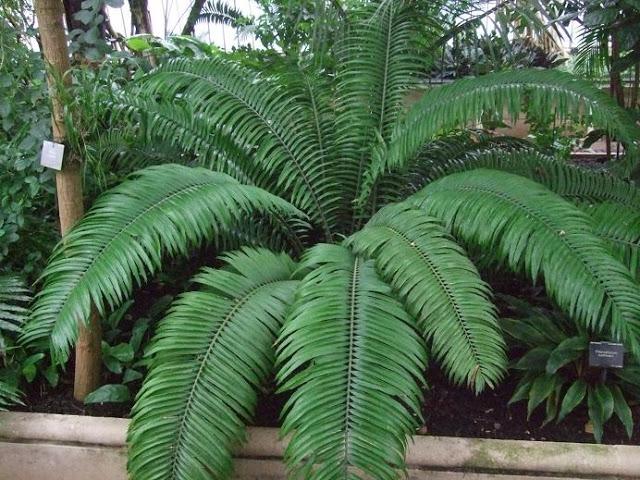
Eastern cape cycad
(Encephalartos villosus)
Also Known As
Eastern cape cycad, Woolly cycad, Veld cycad
About This Plant
Encephalartos villosus is a plant species that belongs to the cycad family. It is a slow-growing cycad with a trunk that can grow up to 1.5 meters tall and 30 cm in diameter. The leaves are dark green and glossy, with a length of up to 1.5 meters and a width of up to 20 cm. The male cones are cylindrical, while the female cones are barrel-shaped.
Plant Care Instructions
Outdoor Size Range
3-5 feet (0.9-1.5 meters)
Light Requirements
Encephalartos villosus prefers partial shade to full sun. It can tolerate direct sunlight but may need some protection during the hottest part of the day.
Humidity Needs
Encephalartos villosus prefers a humid environment, but it can tolerate drier air. To increase humidity, mist the leaves regularly.
Fertilizing Schedule
Encephalartos villosus should be fertilized with a slow-release fertilizer during the growing season. Avoid fertilizing during winter.
Pruning Guidelines
Encephalartos villosus does not require pruning, but dead leaves can be removed to improve the appearance.
Common Pests and Diseases
Common pests of Encephalartos villosus include scale insects and mealybugs. Diseases are rare but can occur if the plant is overwatered.
Indoor Size Range
N/A
Watering Schedule
During the growing season, Encephalartos villosus should be watered regularly to keep the soil moist but not waterlogged. In winter, watering should be reduced to prevent the soil from becoming too wet.
Temperature Range
Encephalartos villosus can tolerate a wide range of temperatures, from 20°C to 35°C (68°F to 95°F). It can also tolerate temperatures as low as 5°C (41°F) for short periods.
Growing Season
Encephalartos villosus grows actively during the spring and summer months.
Growing Difficulty Level
Encephalartos villosus is a slow-growing plant that requires patience and attention to detail. It is not recommended for beginners.
USDA Hardiness Zones
Encephalartos villosus is hardy in USDA zones 9b to 11.
Did You Know?
Encephalartos villosus is one of the most endangered cycad species in South Africa, with only a few hundred individuals left in the wild. It is highly sought after by collectors, which has contributed to its decline.
