Special Web Offer - Get 50% OFF!
Grab Your Deal Now
PlantSnap
Plant Care
West indian gherkin
(Cucumis anguria)
Also Known As
West indian gherkin, Sicilian cucumber, Bur gherkin, Gherkin
About This Plant
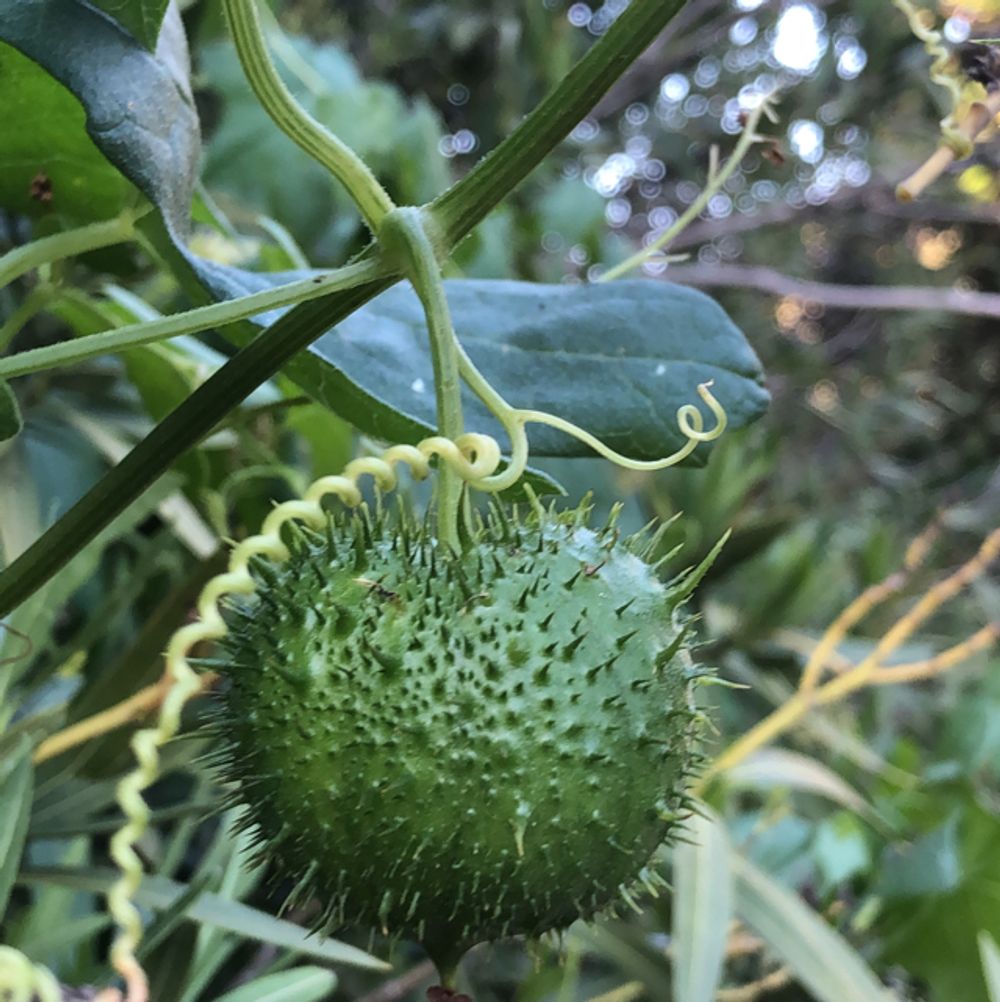
Cucumis anguria is a tropical plant species native to South America. It is a climbing vine that produces small, round fruits that resemble miniature watermelons. The fruits are edible but are often used for pickling due to their slightly bitter taste.
Plant Care Instructions
Outdoor Size Range
Height: 6-10 feet (1.8-3 meters), Spread: 3-6 feet (0.9-1.8 meters)
Light Requirements
Cucumis anguria requires full sun to grow and produce fruit. It needs at least 6 hours of direct sunlight per day.
Humidity Needs
The plant prefers high humidity levels. Mist the leaves regularly or place a tray of water near the plant to increase humidity.
Fertilizing Schedule
Fertilize the plant every 2-3 weeks during the growing season with a balanced fertilizer. Reduce fertilization during the winter months.
Pruning Guidelines
The plant can be pruned to control its growth and encourage fruit production. Pinch off the tips of the vines to promote branching and remove any dead or damaged leaves.
Common Pests and Diseases
Common pests that affect Cucumis anguria include aphids, spider mites, and whiteflies. Diseases such as powdery mildew and bacterial wilt can also be a problem.
Indoor Size Range
Not suitable for indoor cultivation
Watering Schedule
The plant needs to be watered regularly, especially during hot and dry periods. Keep the soil consistently moist but not waterlogged.
Temperature Range
Cucumis anguria thrives in warm temperatures between 70-85°F (21-29°C). It cannot tolerate frost or freezing temperatures.
Growing Season
Cucumis anguria can be grown year-round in tropical regions. In temperate regions, it is best to grow the plant during the summer months.
Growing Difficulty Level
Cucumis anguria is relatively easy to grow as long as it is provided with the right growing conditions. It is a fast-growing plant that can produce fruit within 60-70 days.
USDA Hardiness Zones
Cucumis anguria is not frost-tolerant and can only be grown in USDA hardiness zones 10-12.
Did You Know?
Cucumis anguria is also known as the 'bur gherkin' because the fruits are covered in small, soft spines that resemble burrs.
