Special Web Offer - Get 50% OFF!
Grab Your Deal Now
PlantSnap
Plant Care
Watermelon
(Citrullus lanatus)
Also Known As
Watermelon, Citrullus, Sugar melon, Melon d'eau
About This Plant
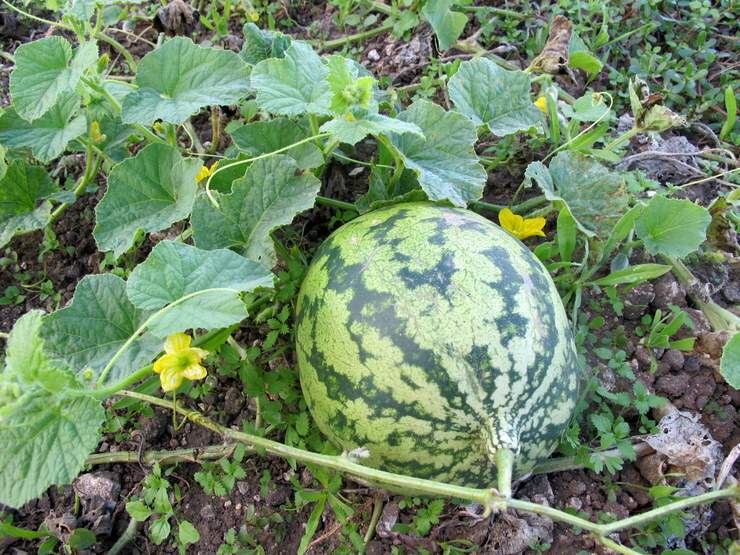
Citrullus lanatus is a flowering plant species with a sprawling habit. It has large, lobed leaves and produces round or oblong fruits that are typically red or yellow on the outside and contain a juicy, sweet flesh inside. The fruit is commonly known as watermelon.
Plant Care Instructions
Outdoor Size Range
The vines can grow up to 10-20 feet (3-6 meters) in length
Light Requirements
Watermelons require full sun exposure for at least 6 hours per day.
Humidity Needs
Watermelons require moderate humidity levels.
Fertilizing Schedule
Watermelons require regular fertilization with a balanced fertilizer. A high-nitrogen fertilizer can be used during the early growth stages, while a high-phosphorus fertilizer is recommended during the fruiting stage.
Pruning Guidelines
Pruning is recommended to keep the vines under control and to promote fruit development. The lateral shoots should be pruned to allow for better air circulation and sunlight exposure.
Common Pests and Diseases
Common pests and diseases for watermelons include aphids, spider mites, whiteflies, powdery mildew, and bacterial wilt.
Indoor Size Range
Not suitable for indoor growing
Watering Schedule
Watermelons require regular watering, especially during the hot summer months. The soil should be kept moist but not waterlogged.
Temperature Range
Watermelons require warm temperatures between 70-85°F (21-29°C) during the day and 60-70°F (15-21°C) at night.
Growing Season
Watermelons are warm-season crops that require a long growing season of at least 80-100 days. They are typically planted in the spring and harvested in the summer.
Growing Difficulty Level
Moderate
USDA Hardiness Zones
Watermelons are not frost-tolerant and require a long, warm growing season. They are typically grown in USDA hardiness zones 3-11.
Did You Know?
Watermelons are not actually a fruit, but a type of berry called a pepo. They are related to other members of the Cucurbitaceae family, including pumpkins, cucumbers, and squash.
