Special Web Offer - Get 50% OFF!
Grab Your Deal Now
PlantSnap
Plant Care
Forest chestnut
(Canephora madagascariensis)
Also Known As
Forest chestnut, Madagascar coffee, Madagascar robust coffee
About This Plant
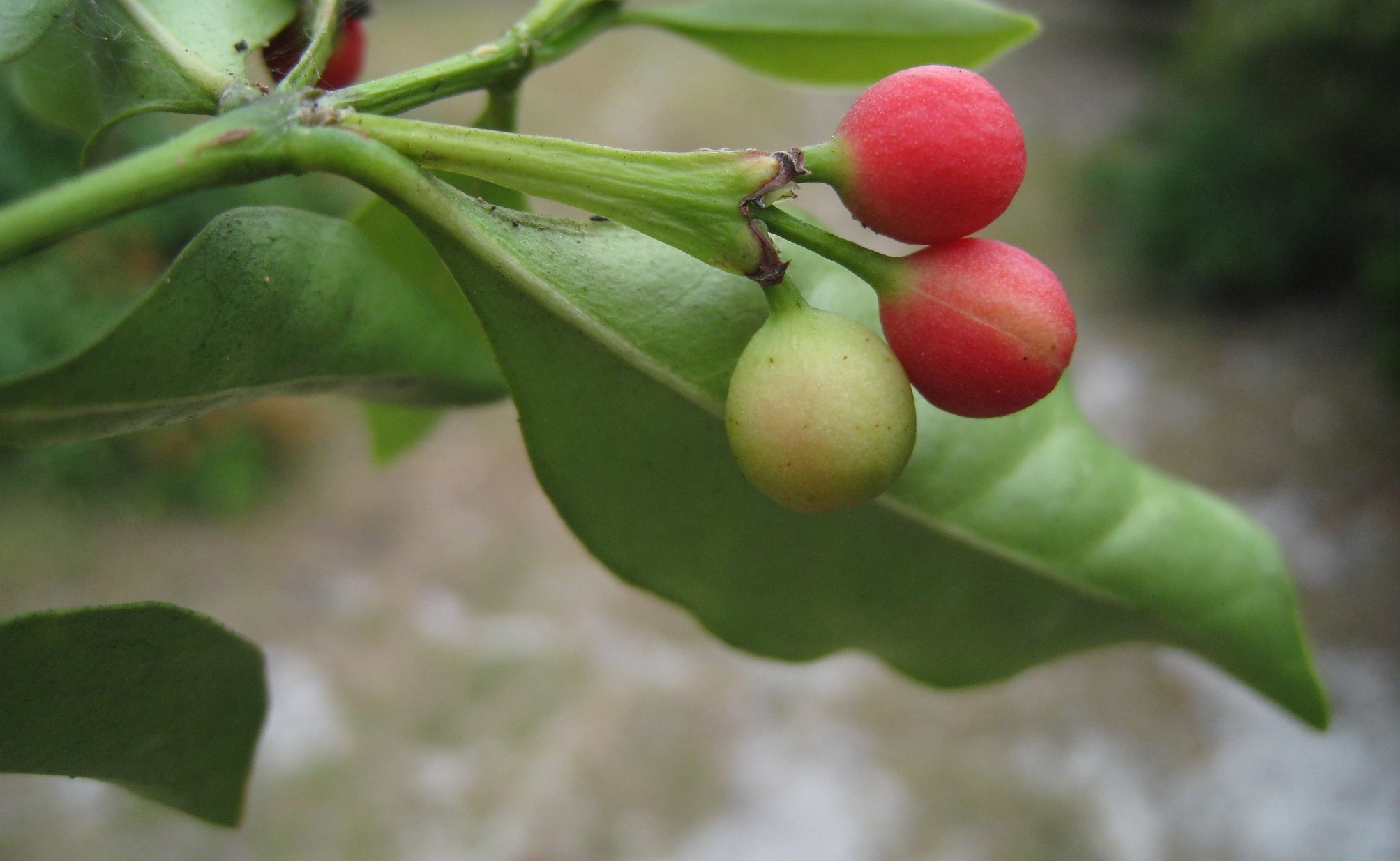
Canephora madagascariensis is a species of flowering plant in the family Rubiaceae. It is a small shrub that can grow up to 2 meters in height. The plant produces small white flowers that bloom in clusters, followed by small red berries that are edible but not commonly consumed. Canephora madagascariensis is commonly known as the Madagascar coffee plant due to its caffeine content and the similarity of its leaves to those of the coffee plant.
Plant Care Instructions
Outdoor Size Range
3-6 feet (90-180 cm)
Light Requirements
Canephora madagascariensis prefers bright, indirect light. Avoid direct sunlight as it can scorch the leaves.
Humidity Needs
The Madagascar coffee plant prefers moderate to high humidity levels. Mist the leaves regularly or place a humidifier nearby.
Fertilizing Schedule
Fertilize the plant every 2-3 months during the growing season (spring and summer) with a balanced fertilizer. Reduce fertilization during the dormant season (fall and winter).
Pruning Guidelines
Prune the plant in the spring to promote bushier growth. Remove any dead or yellowing leaves and trim back any leggy stems.
Common Pests and Diseases
Common pests that can affect the Madagascar coffee plant include spider mites, mealybugs, and scale insects. Treat infestations with insecticidal soap or neem oil.
Indoor Size Range
12-24 inches (30-60 cm)
Watering Schedule
Water the plant when the top inch of soil feels dry to the touch. Avoid overwatering as it can lead to root rot.
Temperature Range
Canephora madagascariensis prefers temperatures between 60-75°F (16-24°C). Avoid exposing the plant to temperatures below 50°F (10°C).
Growing Season
The growing season for Canephora madagascariensis is spring and summer.
Growing Difficulty Level
Canephora madagascariensis is considered moderately difficult to grow. It requires consistent care and attention to thrive.
USDA Hardiness Zones
Canephora madagascariensis is not frost-tolerant and is best suited for USDA hardiness zones 10-12.
Did You Know?
The seeds of Canephora madagascariensis are sometimes used as a substitute for coffee beans, although they are not as widely cultivated or consumed.