Special Web Offer - Get 50% OFF!
Grab Your Deal Now
PlantSnap
Plant Care
Bullet tree
(Buceras buceras)
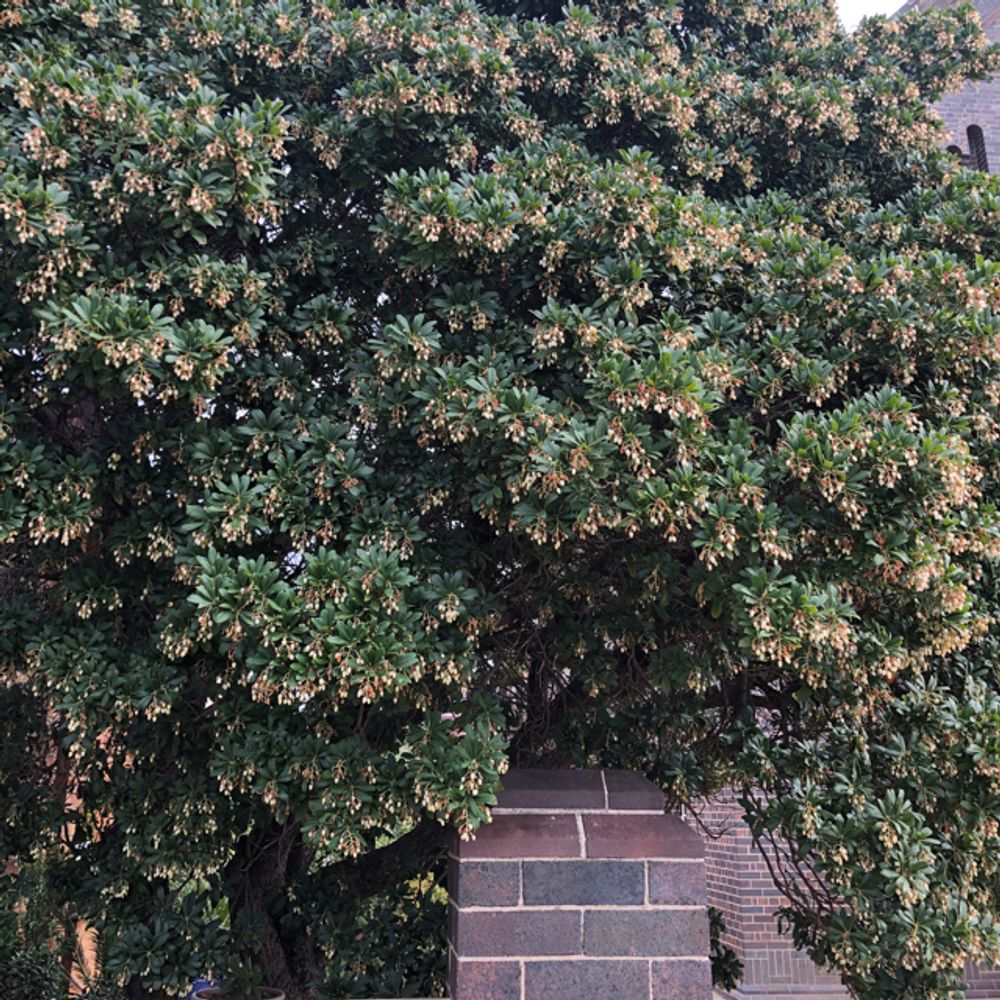
Also Known As
Bullet tree, Elephant tree, Giant tree, Buccaneer pine
About This Plant
Buceras buceras is a type of tree that belongs to the Bucerotidae family. It is commonly known as the great hornbill or concave-casqued hornbill. This bird is one of the larger members of the hornbill family and is found in the tropical and subtropical forests of Asia.
Plant Care Instructions
Outdoor Size Range
47-65 inches (120-165 cm)
Light Requirements
Great hornbills require bright, indirect light. They should be kept in a location that receives plenty of natural light but is not exposed to direct sunlight.
Humidity Needs
Great hornbills require high humidity levels. The ideal humidity range is between 50% and 70%. To increase humidity, the plant can be misted regularly or placed on a tray of pebbles filled with water.
Fertilizing Schedule
Fertilize the plant every 2-3 weeks during the growing season with a balanced fertilizer. Reduce fertilization during the winter months.
Pruning Guidelines
Pruning is not necessary for the great hornbill plant.
Common Pests and Diseases
Common pests include spider mites and mealybugs. Diseases such as root rot can occur if the soil is kept too wet.
Indoor Size Range
N/A
Watering Schedule
Watering should be done regularly to keep the soil moist but not waterlogged. The soil should be allowed to dry out slightly between waterings.
Temperature Range
Great hornbills prefer warm temperatures between 65-85°F (18-29°C). They should be protected from cold drafts and sudden temperature changes.
Growing Season
The growing season for great hornbills is from spring to fall.
Growing Difficulty Level
Great hornbills are considered difficult to grow due to their specific requirements for humidity, temperature, and light. They also require a large amount of space to grow.
USDA Hardiness Zones
Great hornbills are not rated for USDA hardiness zones as they are not a plant species.
Did You Know?
Great hornbills are known for their unique nesting habits. The female will seal herself inside a tree cavity using a mixture of mud, droppings, and food debris. She will remain inside the cavity for the duration of the nesting period, relying on the male to bring her food through a small opening.