Special Web Offer - Get 50% OFF!
Grab Your Deal Now
PlantSnap
Plant Care
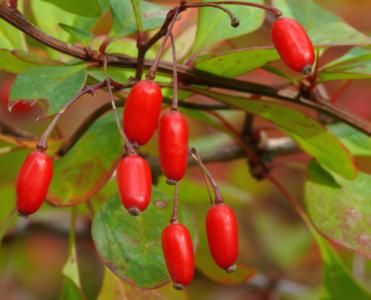
Barberry
(Berberis wilsoniae)
Also Known As
Barberry, Wilson's barberry, Wilson barberry
About This Plant
Berberis wilsoniae is a species of flowering plant in the family Berberidaceae, native to China. It is a deciduous shrub that can grow up to 5 feet (1.5 meters) tall and 6 feet (1.8 meters) wide. The plant has spiny stems and glossy green leaves that turn reddish-purple in the fall. It produces small, yellow flowers in the spring, followed by dark blue berries in the summer.
Plant Care Instructions
Outdoor Size Range
3-5 feet (0.9-1.5 meters) tall and 4-6 feet (1.2-1.8 meters) wide.
Light Requirements
Berberis wilsoniae prefers full sun to partial shade. It can tolerate some shade but will produce fewer flowers and fruits.
Humidity Needs
The plant is adaptable to a wide range of humidity levels and does not require any special humidity conditions.
Fertilizing Schedule
Fertilize the plant in the spring with a balanced fertilizer. Avoid fertilizing in the fall as this can stimulate new growth that may not have time to harden off before winter.
Pruning Guidelines
Prune the plant in the late winter or early spring before new growth appears. Remove any dead or damaged wood and thin out any overcrowded branches. You can also shape the plant at this time.
Common Pests and Diseases
The plant is generally resistant to pests and diseases, but may occasionally be affected by aphids, spider mites, or scale insects.
Indoor Size Range
Not suitable for indoor cultivation.
Watering Schedule
The plant prefers moist but well-drained soil. Water regularly during the growing season, but avoid overwatering which can lead to root rot.
Temperature Range
Berberis wilsoniae is hardy in USDA zones 6 to 9. It can tolerate cold temperatures down to -10°F (-23°C).
Growing Season
The growing season for Berberis wilsoniae is from early spring to late fall.
Growing Difficulty Level
Berberis wilsoniae is relatively easy to grow and maintain. It is a hardy plant that can tolerate a range of conditions.
USDA Hardiness Zones
USDA hardiness zones 6 to 9.
Did You Know?
Berberis wilsoniae is named after the Scottish plant collector, Ernest Henry Wilson, who discovered the plant in western China in 1901.