Special Web Offer - Get 50% OFF!
Grab Your Deal Now
PlantSnap
Plant Care
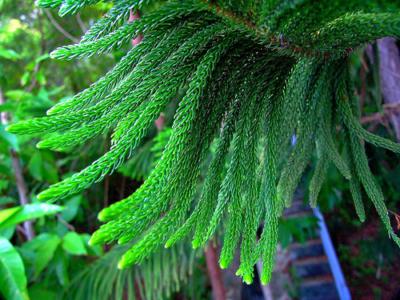
Norfolk island pine
(Araucaria heterophylla)
Also Known As
Norfolk island pine, House pine, Star pine
About This Plant
Araucaria heterophylla is an evergreen tree that can grow up to 60 meters (197 feet) tall in its natural habitat. The plant has a distinctive symmetrical shape and needle-like leaves that can grow up to 5 cm (2 inches) long. It produces cones that can reach up to 20 cm (8 inches) in length.
Plant Care Instructions
Outdoor Size Range
Up to 197 feet (60 meters)
Light Requirements
The Norfolk Island Pine prefers bright, indirect light but can tolerate some shade. It is best to avoid placing the plant in direct sunlight as it can scorch the needles.
Humidity Needs
The plant thrives in high humidity environments and benefits from regular misting. It can also be grown in a humidifier or placed on a pebble tray filled with water.
Fertilizing Schedule
The plant should be fertilized every 2-3 months during the growing season with a balanced fertilizer. It is important to avoid over-fertilizing as this can lead to salt buildup in the soil.
Pruning Guidelines
The Norfolk Island Pine does not require extensive pruning, but it can be shaped by pinching back new growth. Any dead or damaged branches should be removed promptly.
Common Pests and Diseases
Common pests for the Norfolk Island Pine include spider mites, mealybugs, and scale insects. It is important to inspect the plant regularly and treat any infestations promptly.
Indoor Size Range
6-8 feet (1.8-2.4 meters)
Watering Schedule
The plant should be watered thoroughly, but only when the top inch of soil feels dry to the touch. Overwatering can lead to root rot, so it is important to ensure that the soil has good drainage.
Temperature Range
The Norfolk Island Pine prefers temperatures between 60-70°F (15-21°C) but can tolerate temperatures as low as 50°F (10°C) and as high as 80°F (27°C). It is important to protect the plant from drafts and sudden temperature changes.
Growing Season
The Norfolk Island Pine can be grown year-round, but it is best to fertilize and water more frequently during the growing season in spring and summer.
Growing Difficulty Level
The Norfolk Island Pine is considered to be a moderately difficult plant to grow. It requires specific growing conditions, including high humidity and well-draining soil, but can be a rewarding plant to care for if these conditions are met.
USDA Hardiness Zones
10-11
Did You Know?
Despite its common name, the Norfolk Island Pine is not actually a pine tree. It is also not native to Norfolk Island, but rather to the South Pacific islands of New Caledonia and the Loyalty Islands.
