
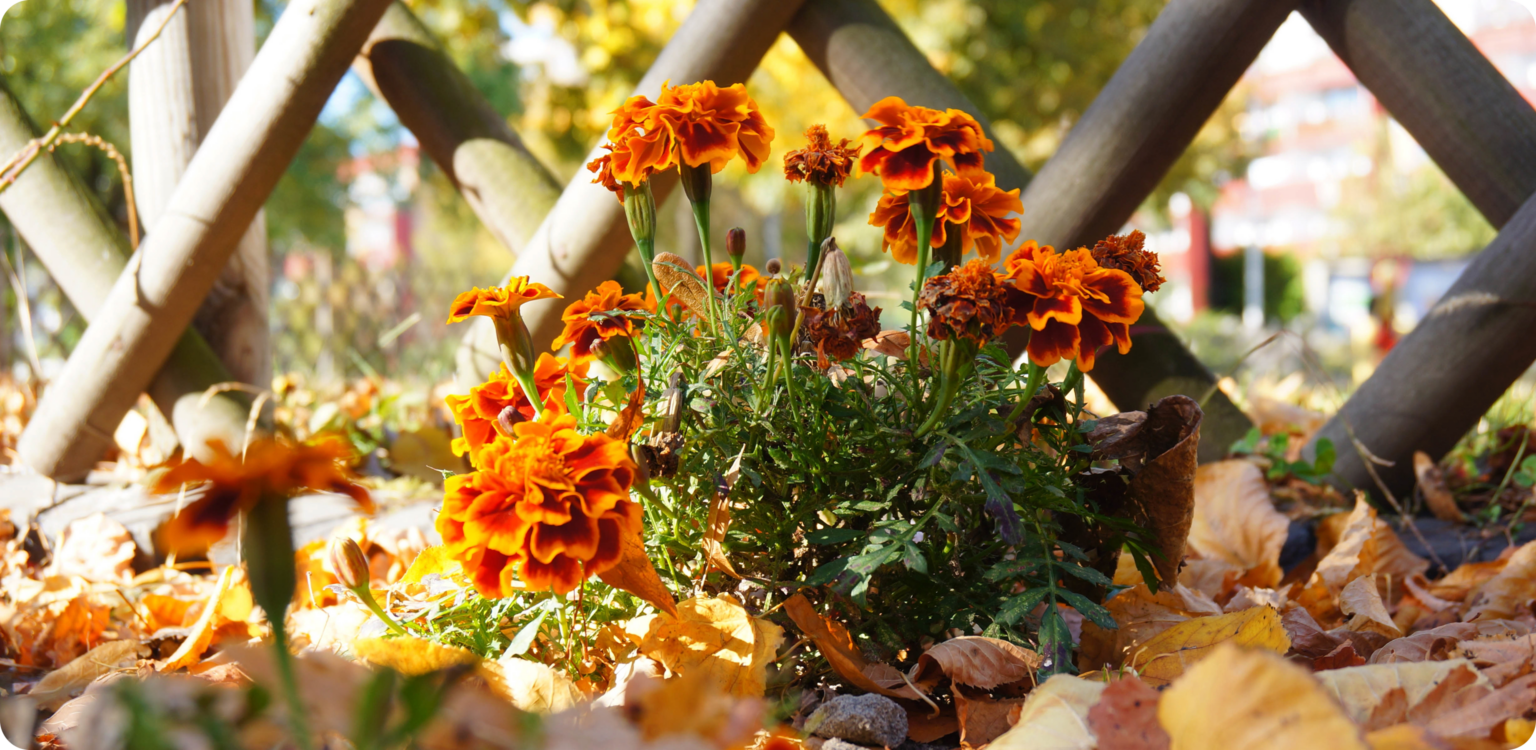
Shorter days, cooler temperatures and slower growth mean your plants’ needs are changing. A few simple adjustments can help them transition into the colder months.
As fall arrives, plants begin responding to changing light and temperature. Growth may slow, soil can stay moist for longer, and plants that thrived outdoors all summer may need protection from colder nights.
The key to fall plant care? Adjust your routine along with your plants.
Rethink Your Watering Routine
Cooler temperatures and slower growth often mean plants use water less quickly than they did during summer.
Instead of sticking to a fixed schedule, check the soil before watering and pay attention to what your plant needs.
Different species have different moisture requirements, so there’s no universal fall watering schedule.
Watch the soil, not the calendar.
Chase the Changing Light
That bright summer spot might look very different in October.
As days shorten and the sun sits lower in the sky, indoor plants can receive significantly less light. Consider moving light-loving plants closer to a suitable window and rotating pots occasionally for more balanced growth.
Just remember: every species has different light requirements, so brighter isn’t always better.
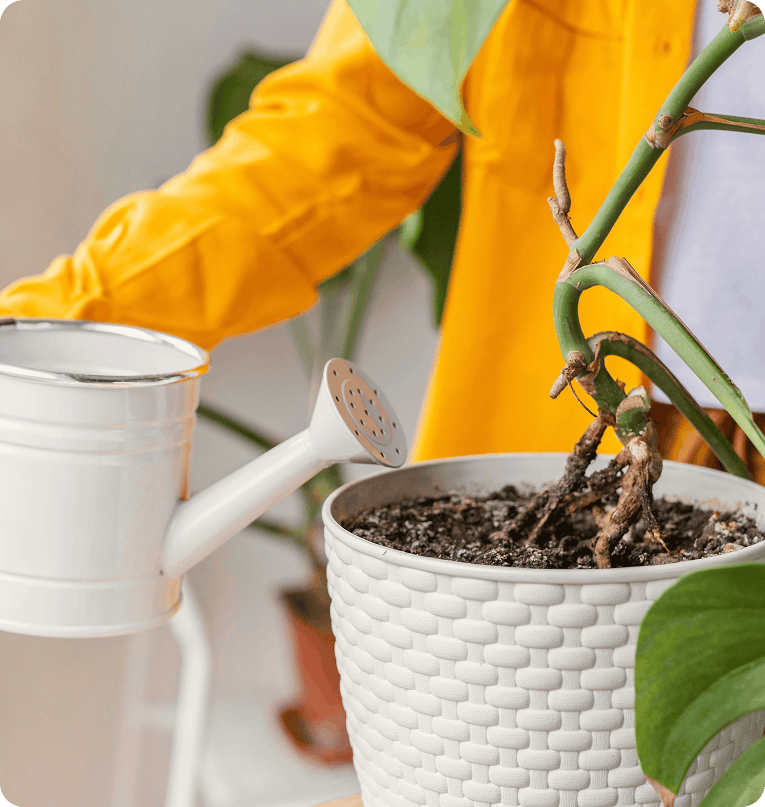
Rethink Your Watering Routine
With cooler temperatures and reduced growth, many plants use water more slowly than they did during summer.
Instead of watering on the same schedule, check the soil first and let your plant and Flora Live tell you when it’s ready.
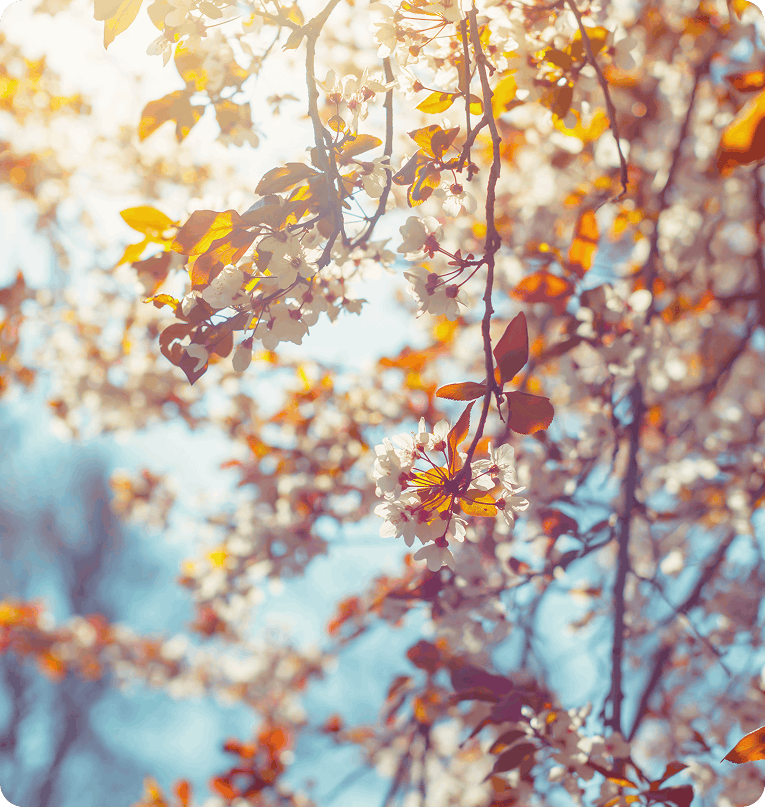
Chase the Changing Light
That bright summer spot might look very different in October.
As days shorten and the sun sits lower in the sky, indoor plants can receive significantly less light. Pay attention to darker corners and consider moving light-loving plants closer to a suitable window.
Slow Down on Feeding
Many plants naturally slow their growth as daylight decreases—and slower growth can mean less demand for nutrients.
Rather than fertilizing automatically, look at your plant. If active growth has slowed considerably, its feeding needs may have changed too.
Sometimes good fall plant care means doing less.
Bring Sensitive Plants In
If your houseplants spent summer outdoors, don’t wait until freezing weather arrives to think about bringing them inside.
Move cold-sensitive species indoors before temperatures become too low for them, and inspect leaves, stems and soil carefully for pests before they cross the doorstep.
Once inside, give plants time to adjust to their new light, temperature and humidity conditions.
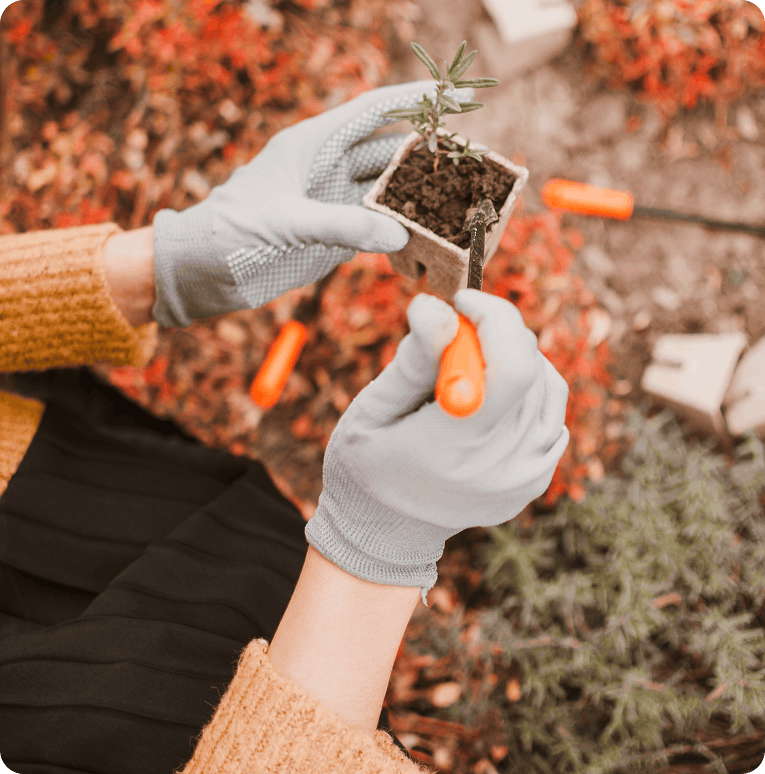
Slow Down on Feeding
Less growth usually means less demand for nutrients.
Rather than fertilizing automatically, consider the species and whether your plant is still actively growing.
Bring Sensitive Plants In
If your houseplants spent summer outdoors, don’t wait for the first frost.
Move cold-sensitive plants inside before nighttime temperatures become too low for their species.