Special Web Offer - Get 50% OFF!
Grab Your Deal Now
PlantSnap
Plant Care
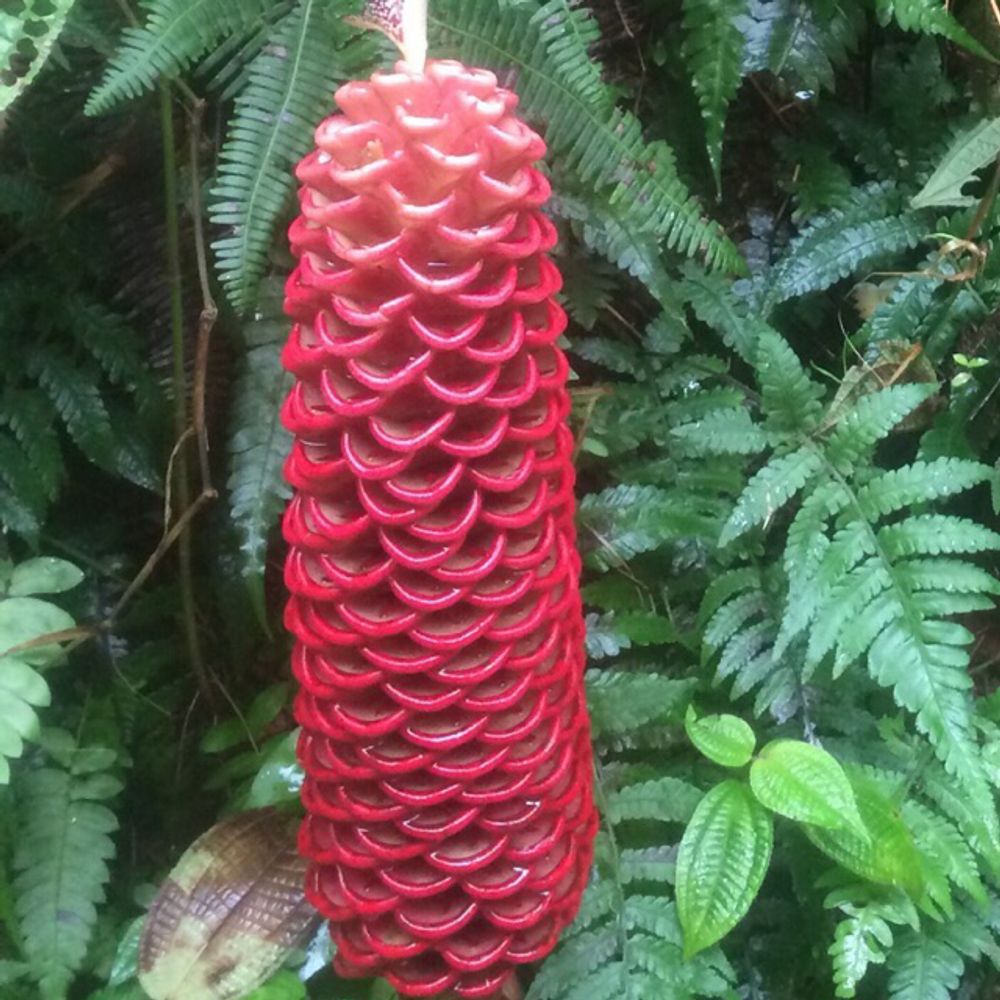
Beehive ginger
(Zingiber spectabile)
Also Known As
Beehive ginger, Tumeric ginger, Lesser galangal, Showy ginger
About This Plant
Zingiber spectabile is a flowering plant species native to Southeast Asia. It is a herbaceous perennial plant that can grow up to 6 feet (1.8 meters) tall. The plant produces green leaves that are arranged alternately and can reach up to 2 feet (61 cm) in length. The flowers are cone-shaped and appear in clusters at the top of the plant. They are bright pink or red in color and have a waxy texture.
Plant Care Instructions
Outdoor Size Range
4-6 feet (1.2-1.8 meters) tall and 3-4 feet (0.9-1.2 meters) wide
Light Requirements
Beehive Ginger prefers partial shade to full shade. Direct sunlight can damage the flowers and leaves.
Humidity Needs
Beehive Ginger prefers high humidity levels, ideally between 60-70%. To increase humidity levels, mist the leaves regularly or place a tray of water nearby.
Fertilizing Schedule
Beehive Ginger benefits from regular fertilization during the growing season (spring and summer). Use a balanced fertilizer every 2-3 weeks.
Pruning Guidelines
Pruning is not necessary for Beehive Ginger. However, dead or damaged leaves can be removed to improve the plant's appearance.
Common Pests and Diseases
Beehive Ginger is not particularly susceptible to pests or diseases. However, spider mites and mealybugs can occasionally be a problem.
Indoor Size Range
Not suitable for indoor cultivation
Watering Schedule
The plant requires regular watering to keep the soil moist. However, it is important not to overwater as this can lead to root rot.
Temperature Range
The plant prefers warm temperatures between 70-85°F (21-29°C). It is not frost-tolerant and should be protected from cold temperatures.
Growing Season
Beehive Ginger grows best during the warm and wet season, typically from late spring to early fall.
Growing Difficulty Level
Beehive Ginger is moderately difficult to grow. It requires specific growing conditions and regular maintenance to thrive.
USDA Hardiness Zones
Beehive Ginger is hardy in USDA zones 10-12.
Did You Know?
Beehive Ginger is named after the shape of its flowers, which resemble a beehive. The flowers are often used in floral arrangements and can last for several weeks.
