Special Web Offer - Get 50% OFF!
Grab Your Deal Now
PlantSnap
Plant Care
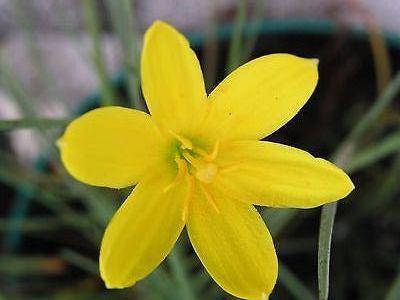
Rain lily
(Zephyranthes pulchella)
Also Known As
Rain lily, Fairy lily, Zephyr lily
About This Plant
Zephyranthes pulchella is a bulbous perennial plant species that produces attractive pink flowers. It is native to South America and is commonly used as an ornamental plant in gardens and landscapes.
Plant Care Instructions
Outdoor Size Range
6-12 inches (15-30 cm)
Light Requirements
Zephyranthes pulchella prefers full sun to partial shade. It requires at least 4-6 hours of direct sunlight per day to bloom properly.
Humidity Needs
Zephyranthes pulchella prefers moderate humidity levels. It can tolerate low humidity but may benefit from occasional misting.
Fertilizing Schedule
Fertilize the plant once a month during the growing season with a balanced fertilizer. Do not fertilize during the dormant season.
Pruning Guidelines
Remove dead flowers and foliage as needed. Cut back the foliage after it has died back naturally.
Common Pests and Diseases
Zephyranthes pulchella is relatively pest-free, but may be susceptible to bulb rot if overwatered.
Indoor Size Range
6-12 inches (15-30 cm)
Watering Schedule
Water the plant regularly during the growing season, keeping the soil moist but not waterlogged. Reduce watering during the dormant season.
Temperature Range
Zephyranthes pulchella prefers warm temperatures between 60-80°F (15-27°C). It can tolerate cooler temperatures but may not bloom as well.
Growing Season
Zephyranthes pulchella blooms in late summer to early fall.
Growing Difficulty Level
Zephyranthes pulchella is relatively easy to grow and maintain, making it a good choice for novice gardeners.
USDA Hardiness Zones
Zephyranthes pulchella is hardy in USDA zones 8-11.
Did You Know?
The name Zephyranthes comes from the Greek words 'zephyros' meaning west wind and 'anthos' meaning flower, referring to the fact that many species of the genus are native to the Western Hemisphere.