Special Web Offer - Get 50% OFF!
Grab Your Deal Now
PlantSnap
Plant Care
Banana yucca
(Yucca baccata)
Also Known As
Banana yucca, Desert yucca
About This Plant
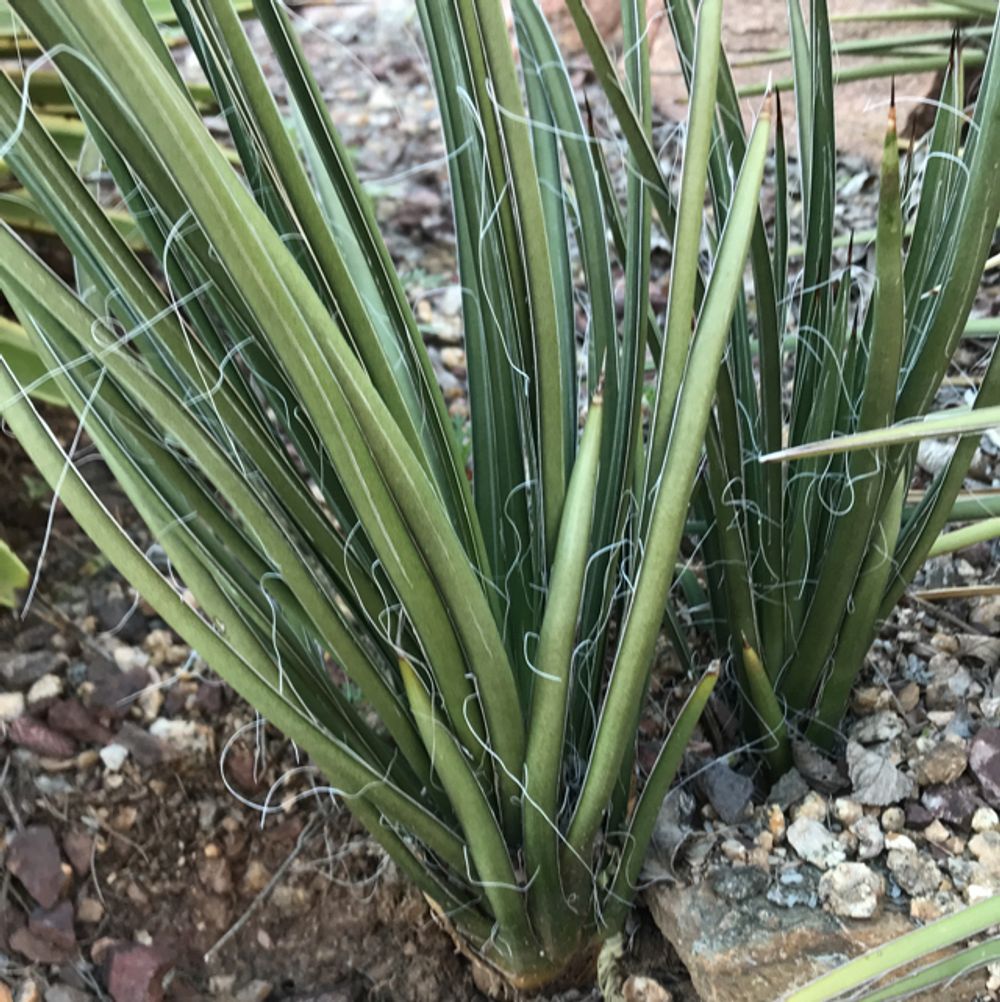
Yucca baccata is a species of flowering plant in the family Asparagaceae, native to the deserts of southwestern North America. It is an evergreen shrub or small tree that can reach up to 16 feet (5 meters) tall. The leaves are long and narrow, with sharp tips and edges. The flowers are white or cream-colored, bell-shaped, and grow in clusters on a tall stalk.
Plant Care Instructions
Outdoor Size Range
3-16 feet (1-5 meters)
Light Requirements
Banana yucca prefers full sun to partial shade, making it an ideal plant for outdoor growth in hot and dry climates. It can tolerate some shade, but too much shade can lead to leggy growth and fewer flowers.
Humidity Needs
Banana yucca prefers low humidity and can tolerate dry air.
Fertilizing Schedule
Fertilize banana yucca once a year in the spring with a balanced fertilizer. Avoid fertilizing in the fall or winter.
Pruning Guidelines
Prune dead or damaged leaves as needed. Banana yucca does not require heavy pruning.
Common Pests and Diseases
Banana yucca is relatively pest-free, but it can be susceptible to scale insects and spider mites. Treat infestations with insecticidal soap or neem oil.
Indoor Size Range
Not suitable for indoor growth
Watering Schedule
This plant is drought-tolerant and prefers well-draining soil. Water deeply but infrequently, allowing the soil to dry out between waterings. Overwatering can lead to root rot.
Temperature Range
This plant can tolerate a wide range of temperatures, from hot desert climates to colder mountain regions. It can survive temperatures as low as -20°F (-29°C) and as high as 100°F (38°C).
Growing Season
Banana yucca blooms in the late spring and early summer.
Growing Difficulty Level
Banana yucca is a relatively easy plant to grow, making it a popular choice for xeriscaping and low-maintenance landscaping.
USDA Hardiness Zones
Banana yucca is hardy in USDA zones 5-10.
Did You Know?
The fruit of the banana yucca is edible and was an important food source for Native American tribes in the southwestern United States. The fruit can be eaten raw or cooked and has a sweet, banana-like flavor.
